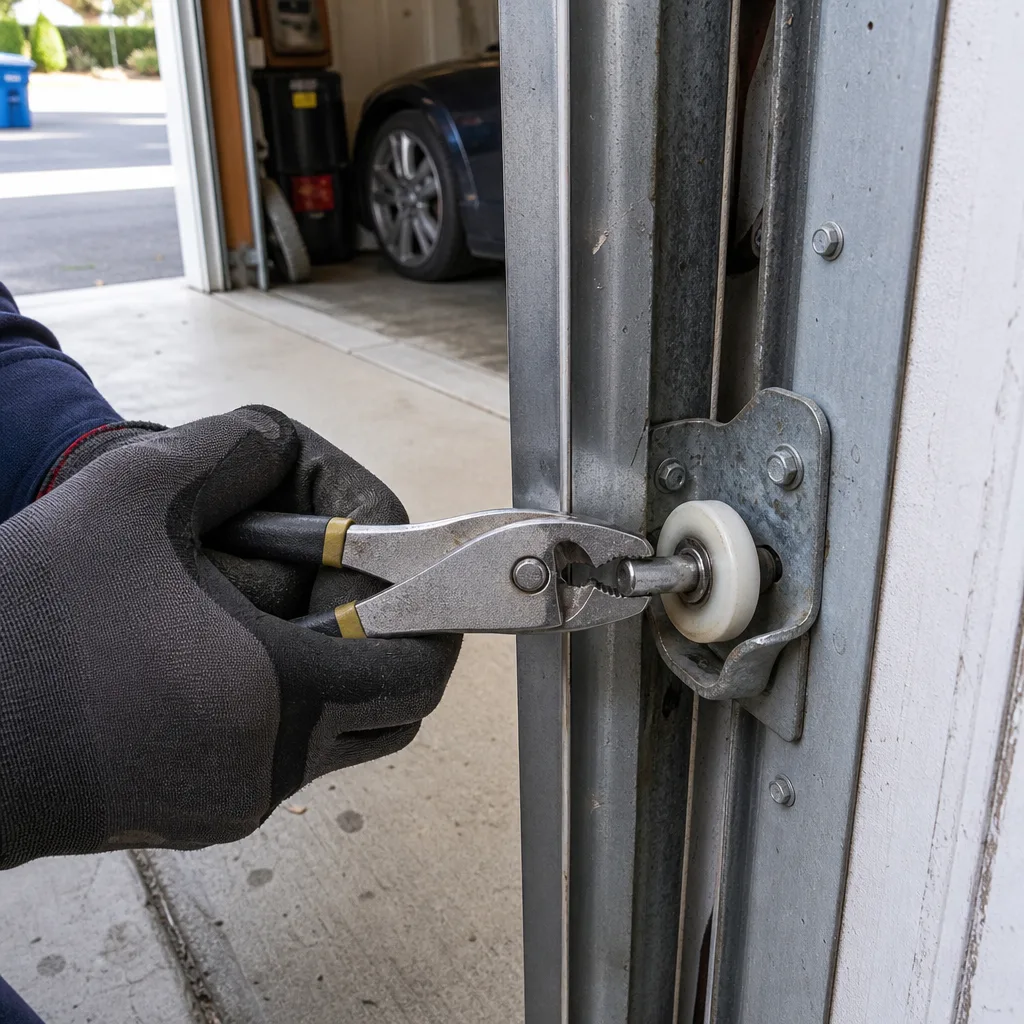
Last updated November 21, 2026
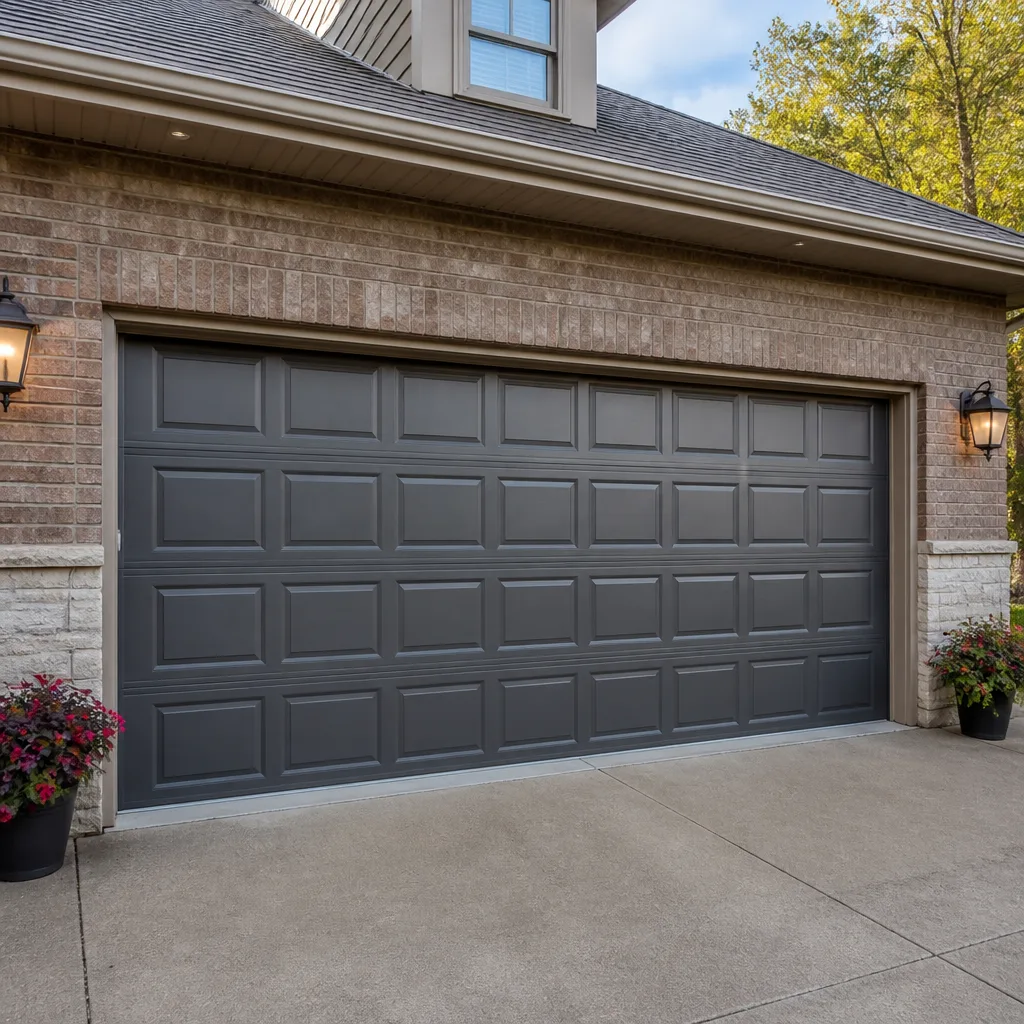 Raised-panel steel
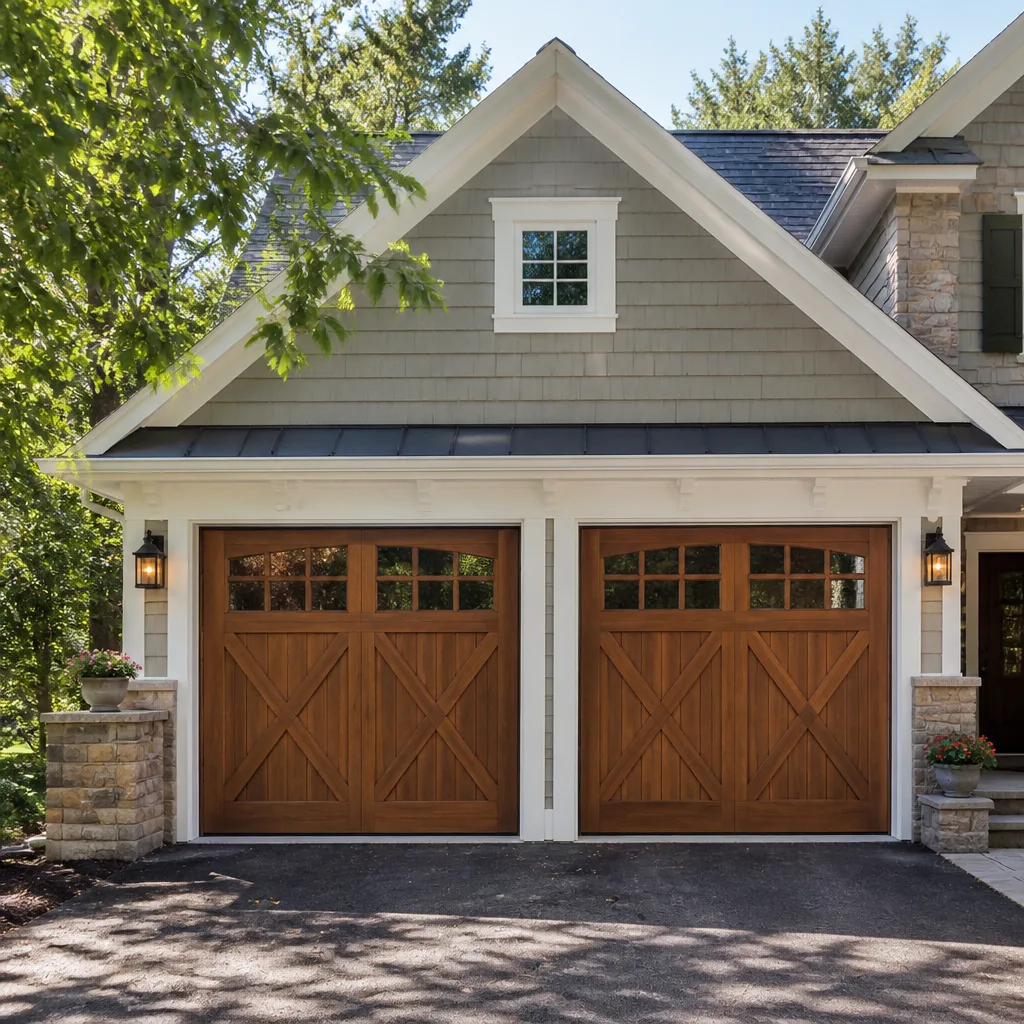 Carriage house
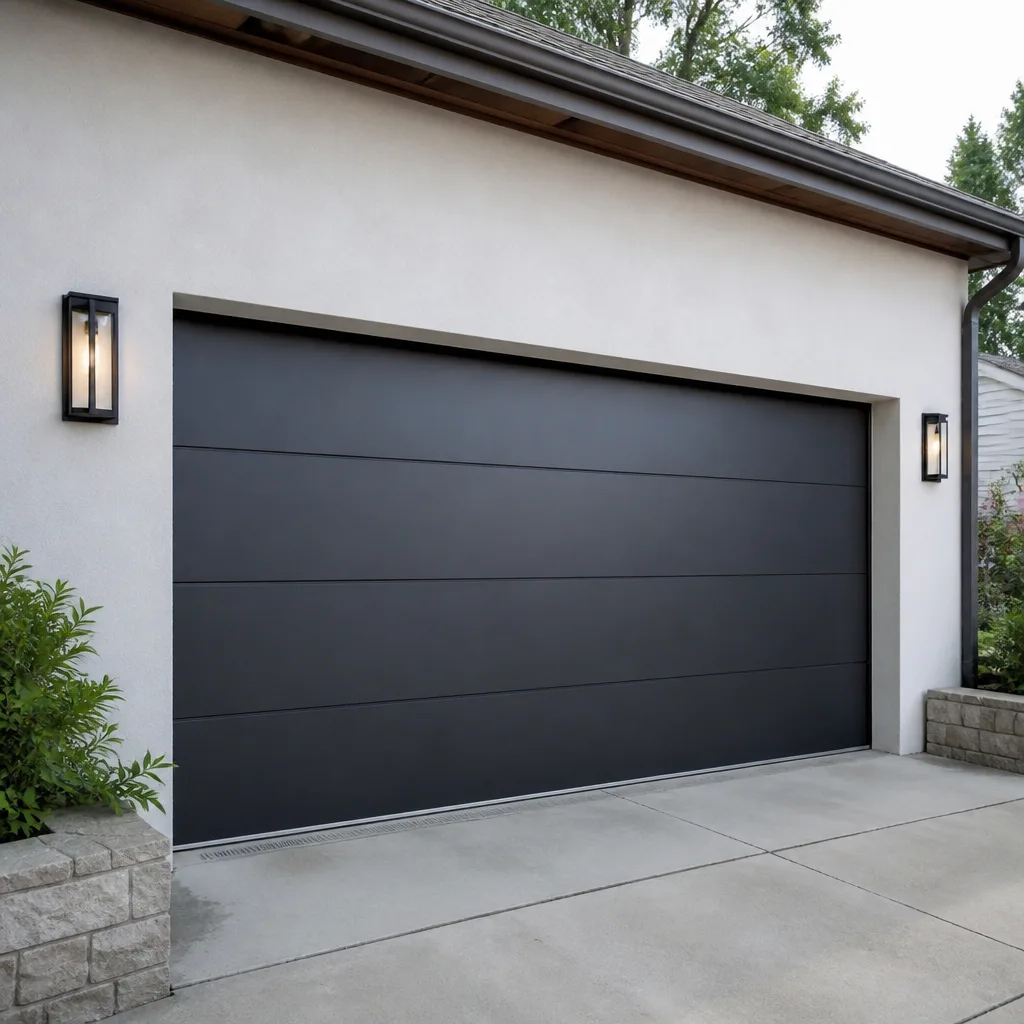 Modern flush
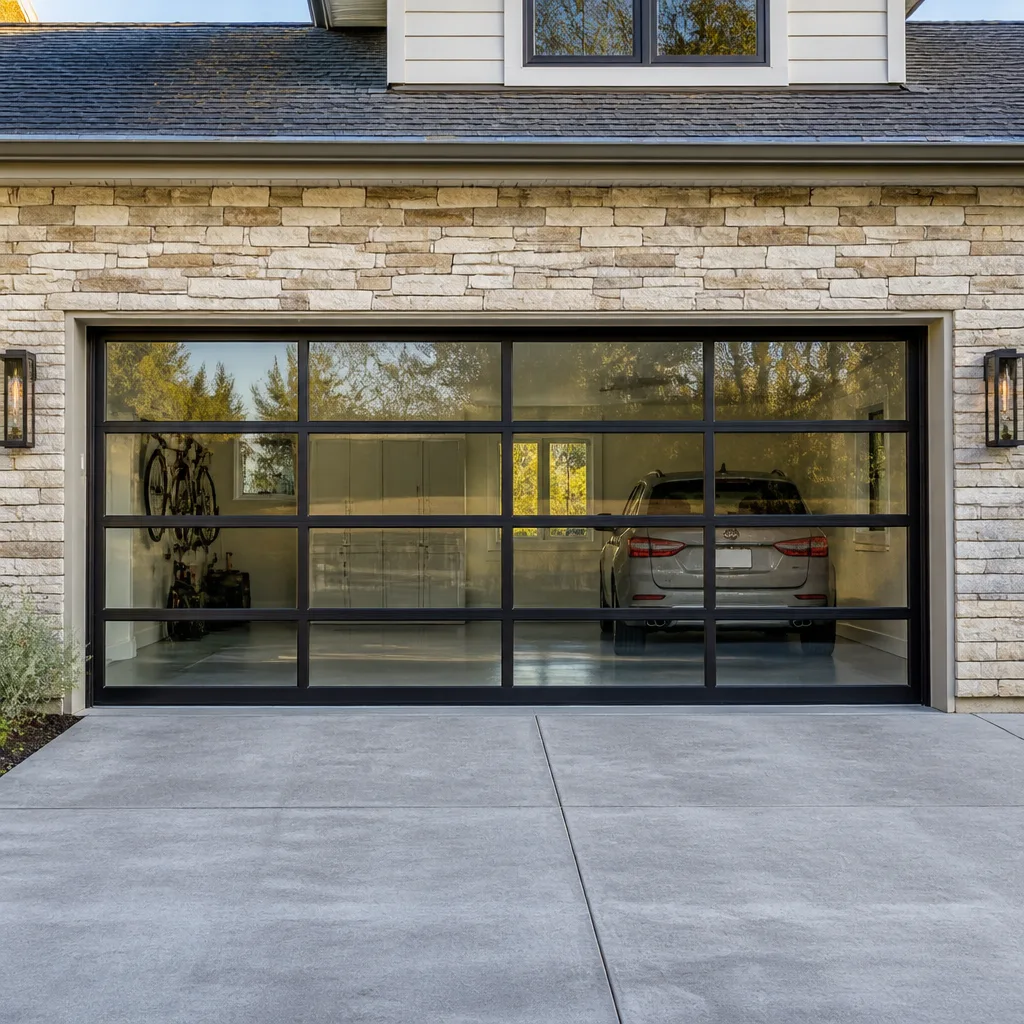 Full-view glass
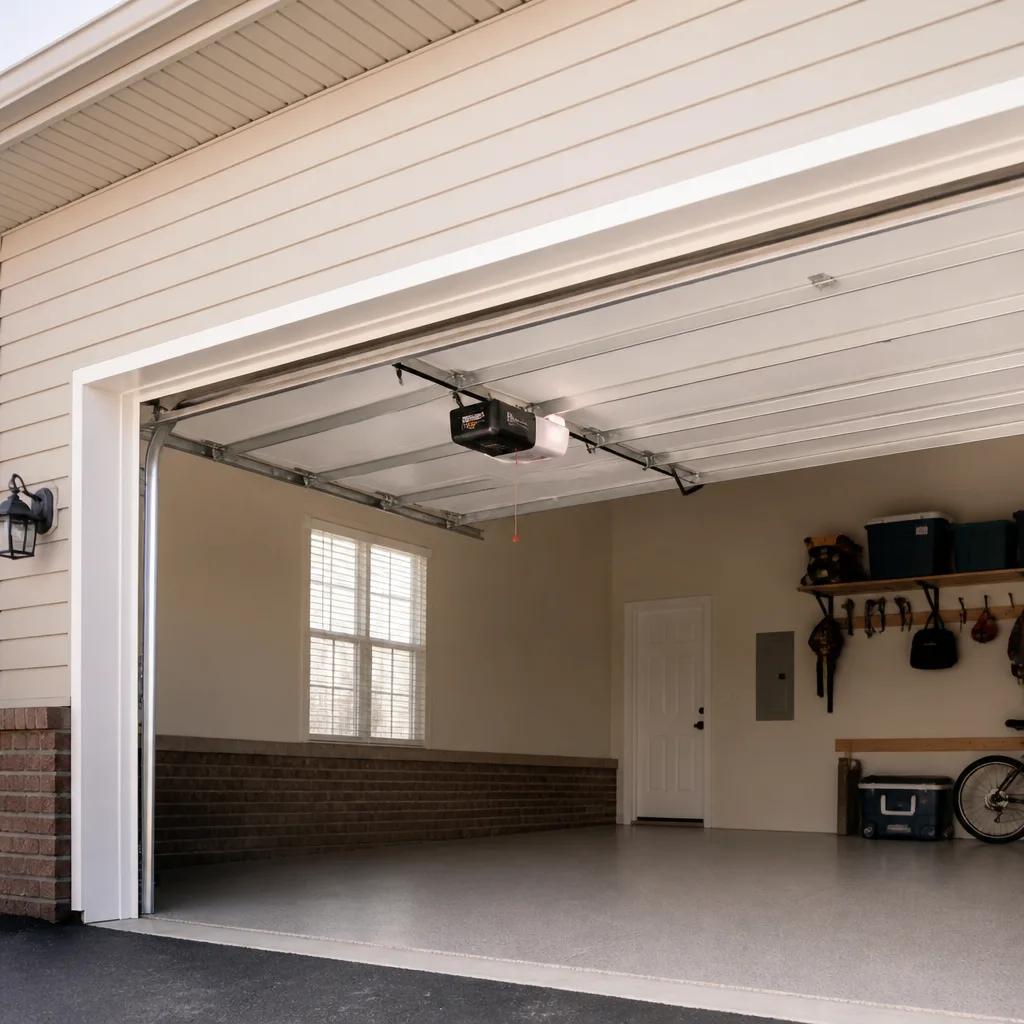 LiftMaster openers
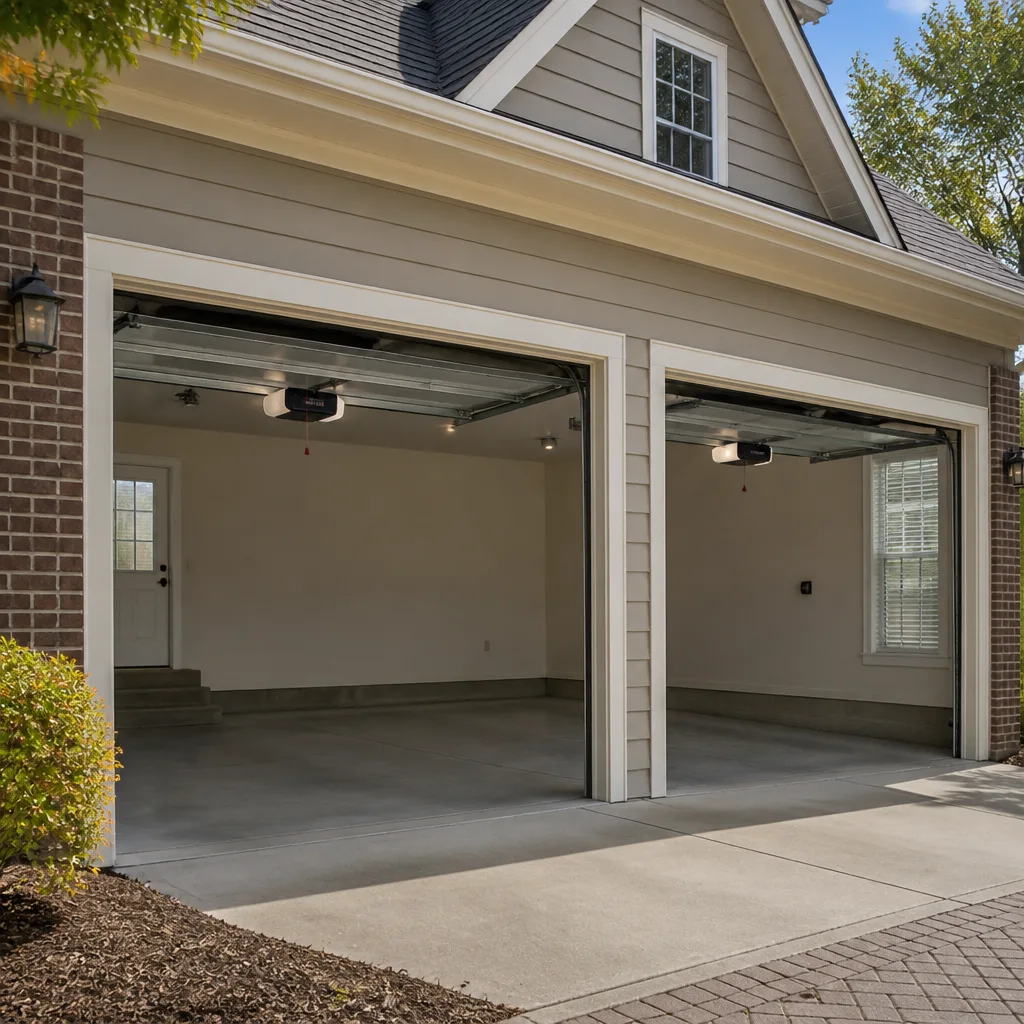 Chamberlain openers
Full 25-point door and opener safety check with every visit - springs, cables, rollers, tracks, and your LiftMaster or Chamberlain opener included
You get a price before we start. It does not change when the pro arrives.
Get your free estimateGarage Door Permits, Codes & Inspections in Green Lake, WA: What You Need to Know
Garage door permits confuse homeowners in both directions. Some skip a permit they genuinely need and find out at sale; others pay for one on a job the city never required. The opening-hook reality is that installing a new garage door opener without a permit sounds harmless until electrical work shows up in a home inspection and stalls a closing. In this guide, we walk through when Seattle and King County code actually triggers a permit for garage door work in Green Lake, how the state energy code affects door replacement, what an inspection really checks, and how to sort out unpermitted work before you list.
Quick Answer
In Green Lake, WA, a straight like-for-like garage door replacement usually does not need a permit, but new structural work, electrical changes for a new opener, and any change to the opening itself generally do. Exterior-facing door replacements must meet Washington State Energy Code requirements for insulation. When in doubt, a quick call to the Seattle Department of Construction and Inspections (SDCI) settles it, and your written estimate should state clearly whether a permit applies.
Styles & brands we work with
- Raised-panel steel
- Carriage house
- Modern flush
- Full-view glass
- LiftMaster openers
- Chamberlain openers
Table of Contents
- When Does Garage Door Work Require a Permit in Green Lake?
- Replacement vs. New Installation vs. Structural Modification
- How the Energy Code Affects Door Replacement in Green Lake
- What an Inspection Actually Checks
- The HOA and Deed Restriction Layer
- Selling a Home With Unpermitted Garage Work
- When to Call a Professional
- Frequently Asked Questions
When Does Garage Door Work Require a Permit in Green Lake?
Garage door work in Green Lake falls into two buckets. Some jobs are routine maintenance or a like-for-like swap and need no permit at all. Others touch the structure of the opening or the electrical system, and Seattle code treats those as permit-required work. Understanding where a job lands is the first step in planning a repair or replacement without surprises.
Three questions decide it:
- Does the new door match the existing opening? If the door’s size, weight, and track configuration match what’s already there, it’s typically a replacement.
- Are you changing the structural opening? Widening, raising, or reframing the opening to accept a bigger door is structural work and always needs a permit.
- Is electrical work involved? A new opener circuit, a new outlet in the garage, or a hardwired opener installation usually requires an electrical permit, even if no structural permit is needed.
Green Lake’s housing stock is a mix of early- and mid-century homes with garages that were often added or modified over the decades. That makes each property a little different. A garage that was framed to spec forty years ago might need reinforcing to carry a heavier modern door, and reinforcement is permit territory. We’ve walked into plenty of Green Lake garages where a previous owner’s DIY work has left tracks hanging from questionable framing. If it looks sketchy, a permit isn’t the only thing on the list. Call us for an assessment before assuming the opening is sound.
Replacement vs. New Installation vs. Structural Modification
The permit question usually boils down to three job types, and each has a different answer in King County. Here’s the breakdown as we explain it to homeowners.
Replacement (same size, same type)
Replacing a worn door with a new one of the same dimensions and material type, using the existing tracks and opener, is typically the simplest case. In most Seattle-area garages a straight swap doesn’t need a permit. Where this gets complicated: if the old door was wood and the new one is steel and heavier, the springs and hardware have to be recalculated, though the opening itself may not need a permit. Our garage door installation work always starts by measuring the opening and confirming weight, so you know exactly what’s involved before anything is ordered.
New installation
A new installation means there was no door or there’s a new opening. If you’re adding a door to an existing opening that never had one, or building a carport into a garage, you’re almost certainly in permit territory because you’re modifying a structure. Electrical work for a new opener also lands here. In our experience, new installations in Green Lake often involve electricians we coordinate with, so budget for the electrical permit as a separate line item.
Structural modification
Any change to the header, the rough opening dimensions, the framing around the door, or the wall the door sits in requires a building permit. Structural work is where skipping the permit becomes most expensive later. The rough opening must be sized correctly for the new door, and the header must carry the load above. If you’re not sure which category a job falls into, describe it to your city’s building department before you order a door. They’re the final word.
How the Energy Code Affects Door Replacement in Green Lake
Washington’s energy code, the WSEC, applies to exterior-facing garage doors. That means when you replace a door that separates the garage from the outside, the new door has to meet the state’s insulation requirement for that assembly. In practical terms, if your old door is a hollow single-panel unit from decades ago, you’ll be stepping up to an insulated door whether or not you specifically wanted one.
Most modern insulated doors clear this threshold easily. The tricky cases are:
- Older listings or off-brand doors sold without published insulation ratings, which inspectors will flag if you can’t document compliance.
- Doors installed before the current code cycle that still work fine but would not meet current standards if replaced today.
- Doors between a garage and a heated living space, where the code requirement is stricter because you’re separating conditioned from unconditioned space.
This is where brand fluency matters. If we recommend a door, we know which Clopay, Amarr, or Wayne Dalton models carry the documentation to satisfy an inspector without argument. It’s a big reason our team keeps up with the major brands. Confirm the insulation value in writing before you sign anything, and keep the spec sheet in your home records. When you go to sell, it’s one less question a buyer’s inspector will raise.
The Green Lake climate adds a small wrinkle. Our winters are damp and cold, so insulated doors do more than satisfy code: they cut drafts in garages attached to living space. When you speak with us about Garage Door Repair Green Lake, we can talk through the practical difference between a bare steel door and an insulated option so you’re not paying for code compliance you didn’t need while skipping real comfort gains.
What an Inspection Actually Checks
An inspection is not a rubber stamp. It’s a walk-through of the installation against the approved plan and the code requirements that apply. Knowing what the inspector looks for helps you understand why the process is worth doing properly.
- Structural adequacy of the opening – header size, framing, and how the door hardware is attached.
- Fasteners and attachment – whether the tracks, springs, and brackets are anchored into solid framing rather than drywall or thin panels.
- Clearances – the space between the door and the opening, and the space for the opener’s safety sensors.
- Electrical work – outlet placement, wiring, and how the opener is powered.
- Safety reverse and sensors – that the auto-reverse engages on contact and the photo-eye sensors function correctly.
- Energy code compliance, where applicable – insulation values and documentation.
- Paperwork – permits on site, approved plans matching the work, and sign-off on any prior inspections required by the same permit.
The safety items are the ones worth taking seriously. Garage doors are heavy, spring-loaded systems, and an improperly installed door can injure someone. A passed inspection creates a record that the work was done to code. That record matters if the door is ever involved in an injury or property damage claim. Our technicians have up to 13 years of experience with these inspections and know what inspectors want to see. If you’re dealing with a stuck door or opener fault before an inspection, your first stop should be garage door repair.
The HOA and Deed Restriction Layer
City permits are one layer. Some Green Lake-area neighborhoods also carry HOA rules or recorded deed restrictions that control what you can install. These are private agreements, not city code, but failing to honor them can trigger a demand letter, a fine, or a forced replacement.
What to watch for:
- Color and finish restrictions – HOA rules often specify allowable colors or require the door to match the house trim.
- Panel style and window configuration – some neighborhoods restrict the style of door visible from the street.
- Material restrictions – a few HOAs prefer wood-look or maintenance-free steel.
- Advance approval requirements – many HOA covenants require written approval before installation, and some require photos of the finished job.
Ask your HOA before ordering. If there’s no HOA, ask the title company or check the recorded covenants for your parcel. If a restriction exists, the door spec sheet from your manufacturer should match it before you commit. We handle requests for spec sheets regularly; whether you go with a Raynor, LiftMaster-compatible door, or another brand, we can supply the manufacturer’s documentation your HOA wants to see.
Selling a Home With Unpermitted Garage Work
Unpermitted garage work rarely becomes a problem until you sell. That’s when a buyer’s inspector starts looking closely, and electrical work or structural changes without a permit can trigger renegotiation or a delayed closing. Being ready before listing prevents surprises.
Steps to resolve unpermitted work:
- Identify what was actually done. Was a door swapped, or was the opening reframed? Was the opener hardwired or plugged in?
- Check the permit history. The city’s permit portal shows permits pulled and inspections completed for the address. If nothing is on record, assume nothing was pulled.
- Talk to SDCI. Describe the work and ask what the remedy path is. Sometimes a simple inspection and as-built documentation resolves it; sometimes a full permit with limited scope is required.
- Hire a licensed professional to inspect and correct any deficiencies before re-inspection. Springs, tracks, and electrical work all need to be brought up to current standards.
- Document everything. Keep inspection reports, contractor receipts, and photographs in your disclosure packet.
This is where a door specialist adds real value. A generalist inspector can tell you the door has a problem; knowing the difference between a compliance issue and a genuine safety hazard takes experience. Our technicians have up to 13 years working with all the major brands and can tell you whether the opener, springs, and tracks meet current standards or need rework. Reach out early rather than listing and hoping it doesn’t come up.
When to Call a Professional
Some garage door tasks are safe for a careful homeowner: lubricating rollers, cleaning tracks, replacing a remote battery. Most others aren’t. Torsion spring systems store enormous tension, and the wrong move can cause serious injury. Electrical work behind the drywall is the same story.
Reach out to a trained technician when you’re dealing with:
- Replacement of torsion or extension springs, or a snapped spring
- Track damage, bent panels, or misaligned rollers affecting the door’s operation
- Opener failures or error codes on a LiftMaster, Chamberlain, Genie, or Craftsman system
- Any plan to replace a door, modify an opening, or install a new opener
- Pre-sale inspection questions or documentation for a compliance check
We work on the parts and labor side of all of this, so you’re not chasing down opener specs from one contractor and door hardware from another. Our team handles torsion springs, opener repair, and doors from eight major brands. Garage Door Repair Green Lake offers free estimates in Green Lake. Call (866) 429-4392 to schedule.
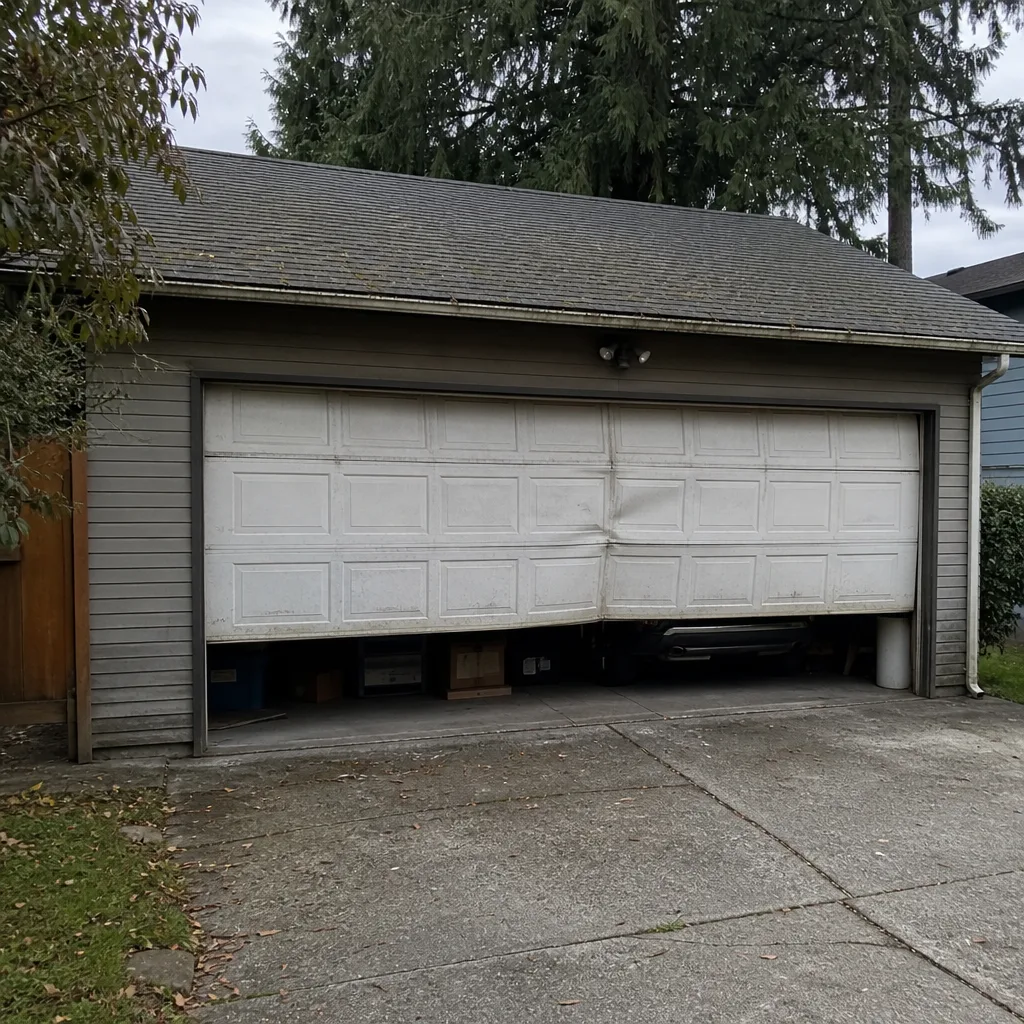
See the difference
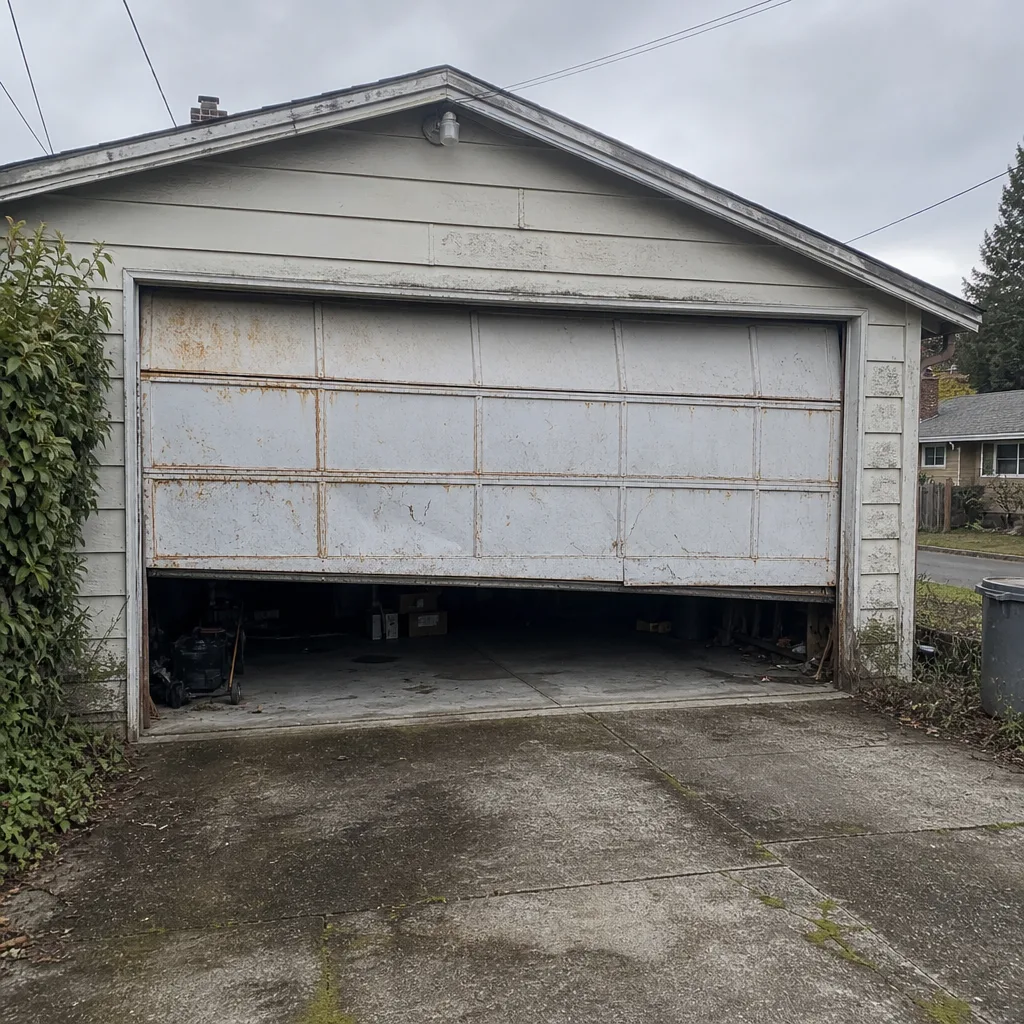 Before
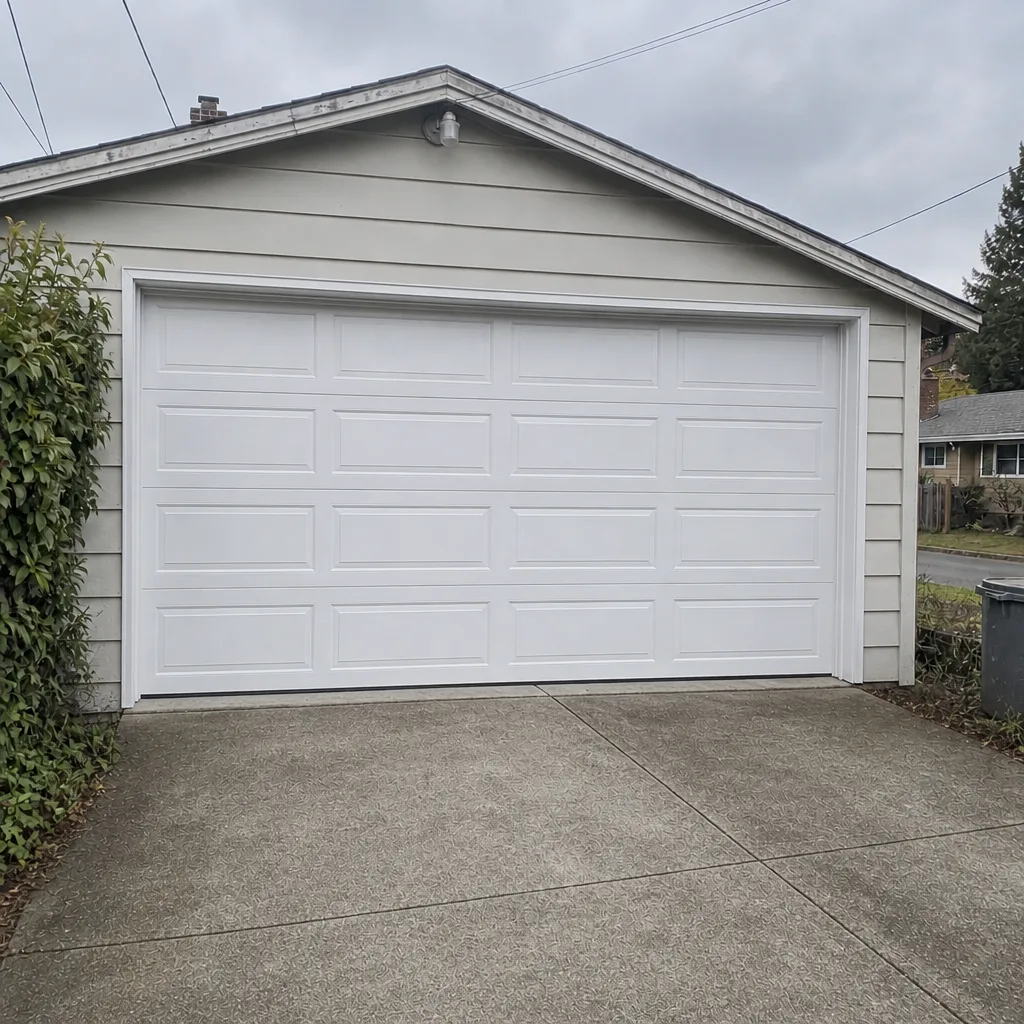 After
 Before
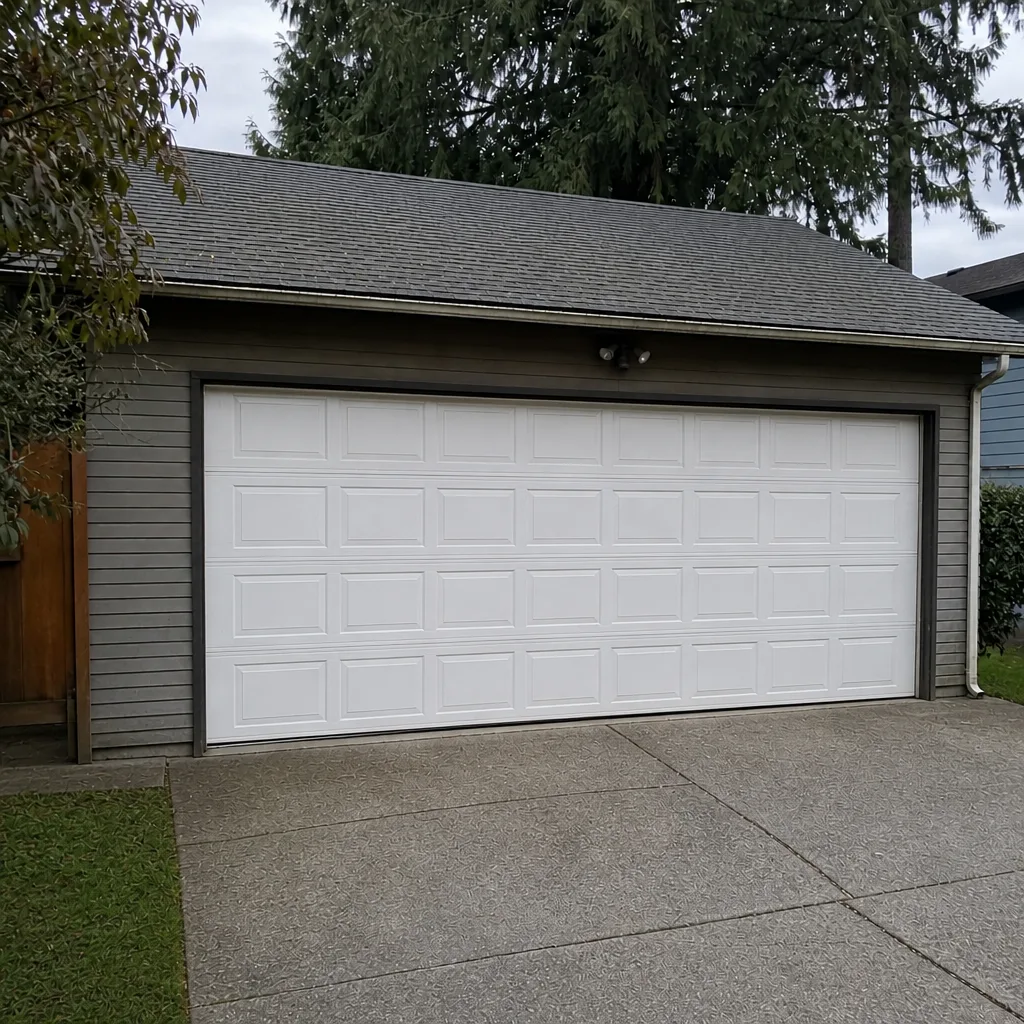 After
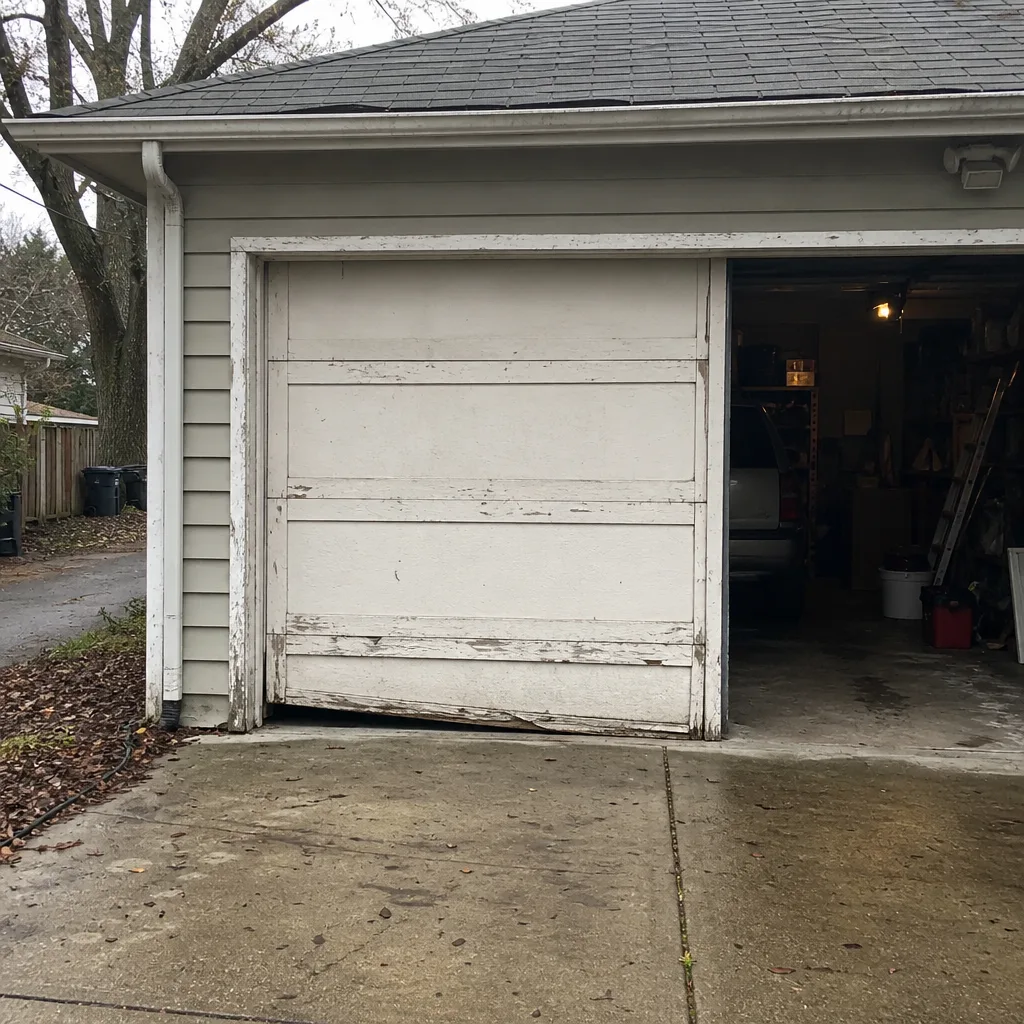 Before
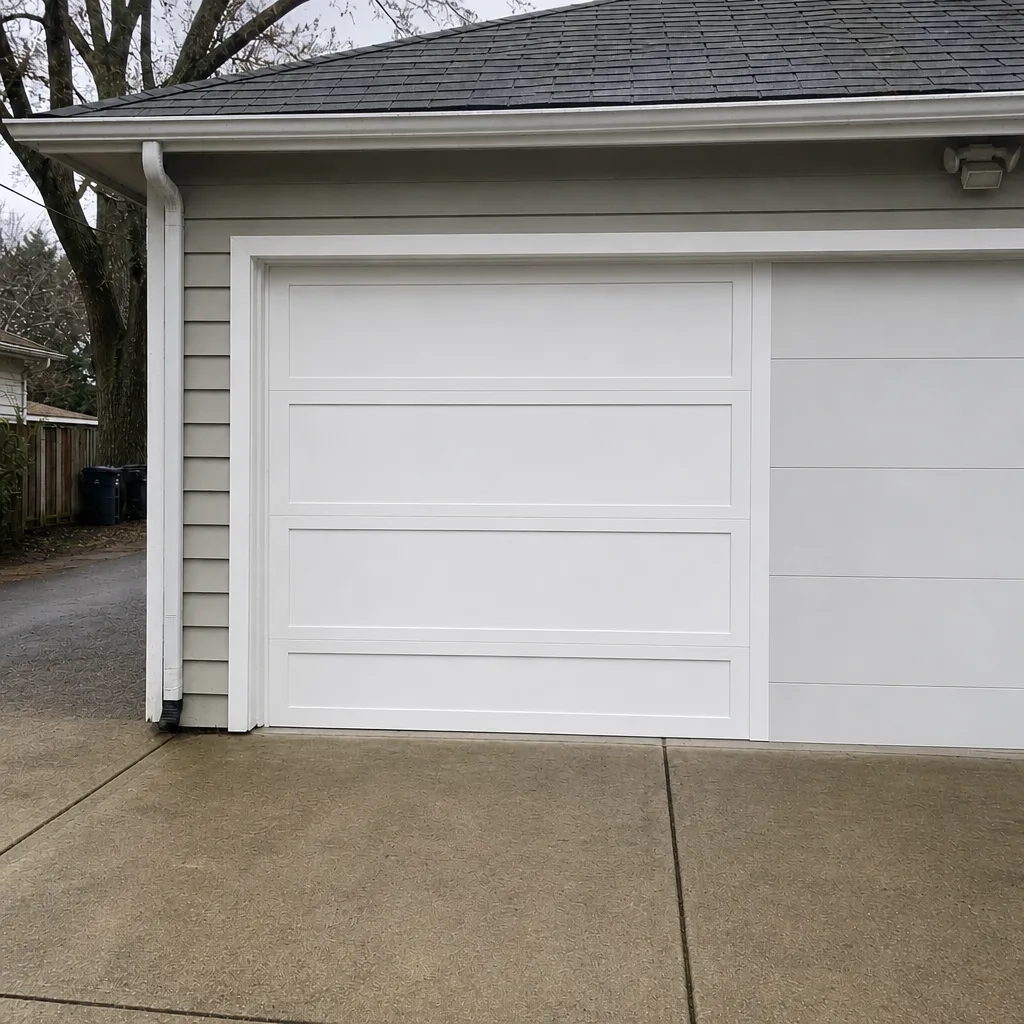 After
Common Mistakes to Avoid
- Skipping the permit on structural or electrical work. It’s easy to assume a permit wasn’t needed, then discover at sale that the city has no record of the work. Ask first; you can skip a permit on a straight swap, but not on framing or new circuits.
- Assuming the HOA allows the door you chose. Even a door that passes city code can fail an HOA rule about color or panel style. Get written approval before ordering.
- Ordering a door before measuring the opening. New doors need exact rough-opening dimensions. If you order based on the old door’s published size, you may get a door that doesn’t fit the opening, and opening modifications trigger a permit you weren’t expecting.
- Ignoring the energy code on exterior doors. In Green Lake, a replacement exterior door has to meet WSEC insulation requirements. A bargain door without a documented insulation value can fail inspection.
- Handling a broken spring yourself. Torsion springs under load are dangerous and can cause serious injury. This is not a task worth improvising; call a technician.
- Not keeping documentation. A door spec sheet, an electrical permit, and a signed inspection report take two minutes to file and save hours at sale. Keep them with your home records.
- Assuming a generalist can handle everything. Garage doors have specific mechanical requirements. Repairers who only handle one brand or don’t know opener internals can create new problems while solving old ones.
Frequently Asked Questions
A like-for-like replacement of the same size and type generally does not require a building permit in Green Lake, but any change to the opening, structural work, or new electrical work for an opener usually does. Call (866) 429-4392 for a free estimate and we’ll flag whether your job needs one.
If the opener uses a new electrical circuit or a new outlet, an electrical permit is typically required. A plug-in replacement of an existing opener on an existing outlet usually doesn’t need one. When in doubt, confirm with SDCI before the installation.
Exterior-facing doors must meet the current Washington State Energy Code insulation requirement for that assembly. In practice, an insulated door is almost always the right call. Confirm the manufacturer’s insulation value in writing, and keep the spec sheet for your records and any future inspection.
The buyer’s inspection will likely flag it, and the closing can be delayed while you sort it out. Check the city permit history first, then talk to the building department about a remedy path. Document any corrective work, and be honest with the buyer’s agent about what was done and when.
We don’t recommend it. Torsion springs store significant potential energy and the wrong move can cause serious injury. This is one of the few jobs where even experienced DIY homeowners should stop and call a technician. Our team handles spring repair as a routine service.
Ask about their experience with your specific door and opener brand, and whether they handle permit paperwork for the work you need. Our technicians have up to 13 years of experience across LiftMaster, Chamberlain, Genie, Clopay, Amarr, Wayne Dalton, Craftsman, and Raynor. Call (866) 429-4392 for a free estimate in Green Lake.
The Bottom Line
Garage door permits in Green Lake come down to what the work actually touches. A straight replacement in a Green Lake garage usually needs nothing; structural changes, new openings, and new electrical circuits do. Exterior doors must meet WSEC insulation requirements. Inspections check safety, structure, and documentation, and a passed inspection protects you legally. HOA rules sit on top of city code, and unpermitted work becomes a real problem at sale. Sort it before you list. If any of that sounds like your situation, a specialist can walk you through it faster than a generalist. We handle all five categories of work, from garage door opener repair to parts supply, and we’re happy to give you a free written estimate.
If a spring has snapped, an opener has failed, or you want the permit question settled before you order a door, call us at (866) 429-4392 for a free estimate. We’ll confirm what your job involves, what the city needs, and what a fair price looks like before any work begins.
Written by the team at Garage Door Repair Green Lake.