Last updated November 21, 2026
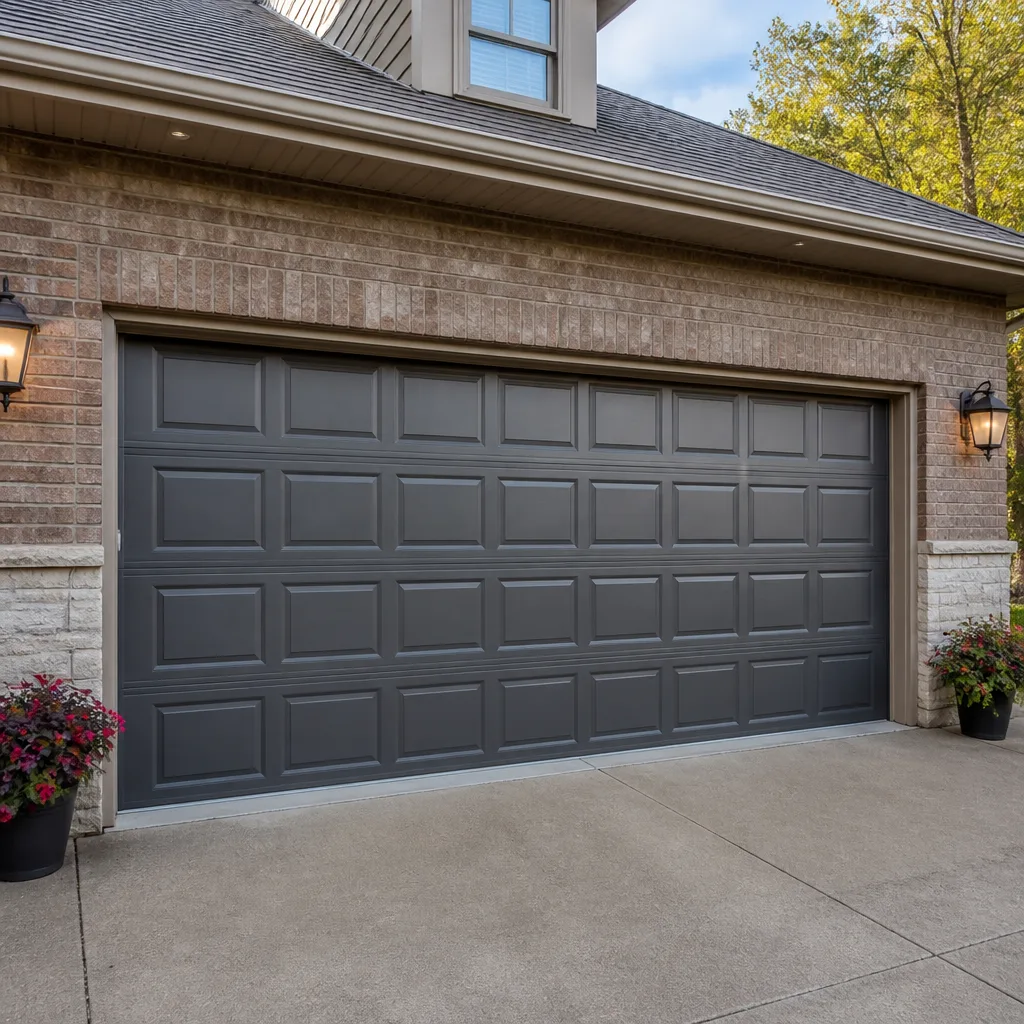 Raised-panel steel
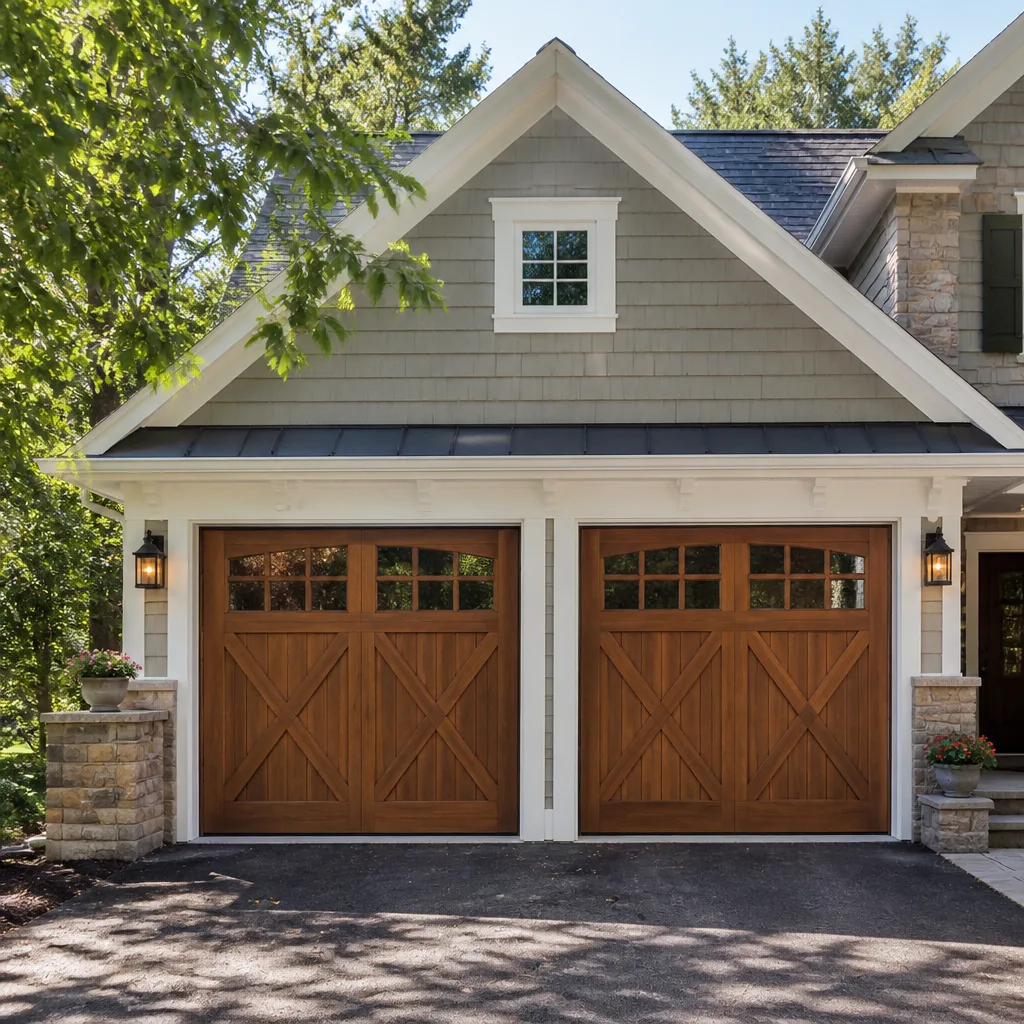 Carriage house
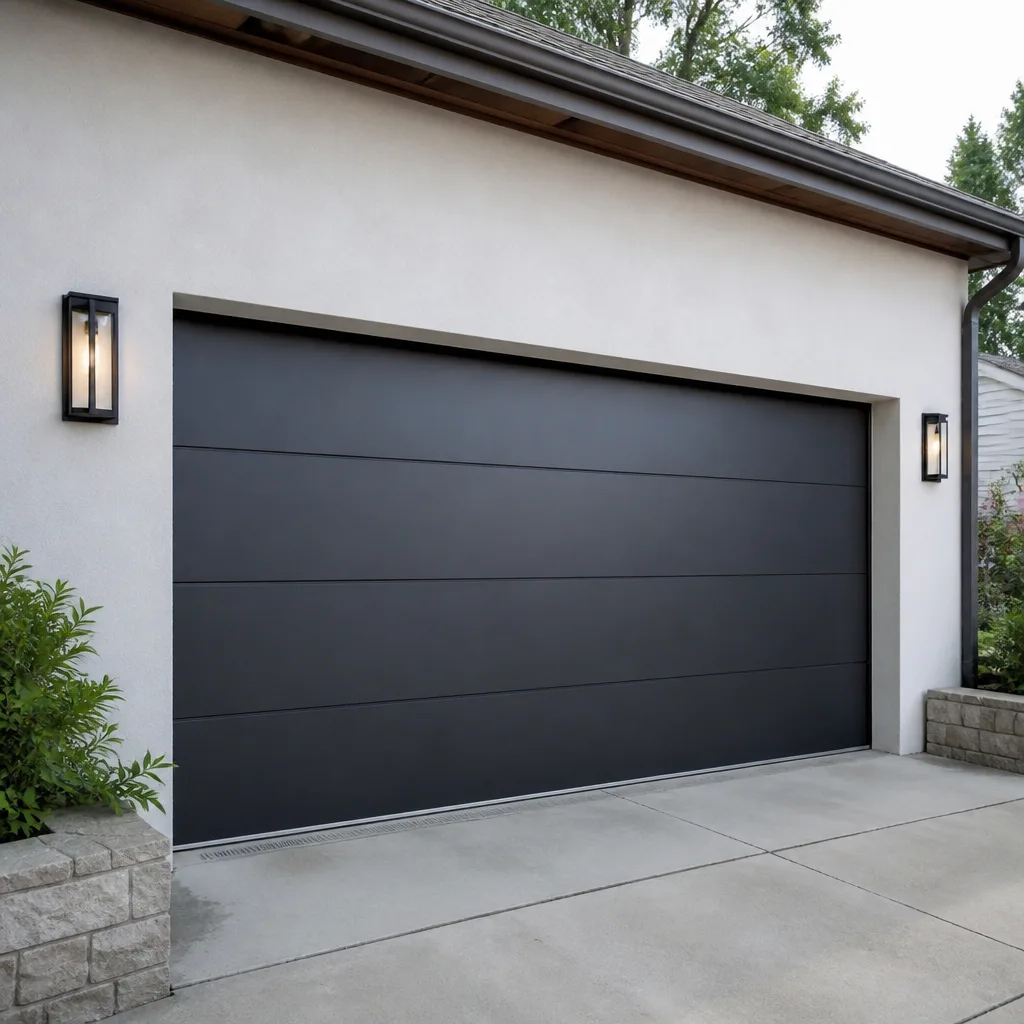 Modern flush
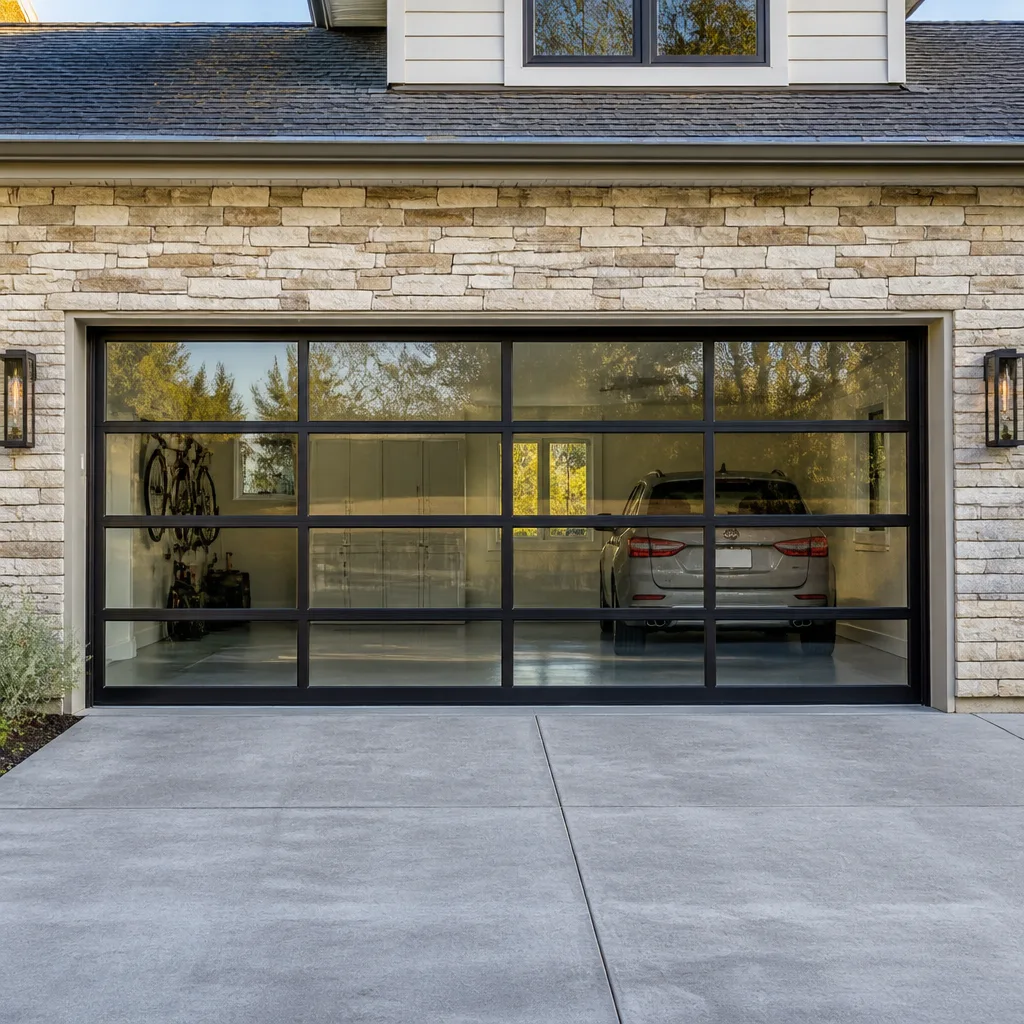 Full-view glass
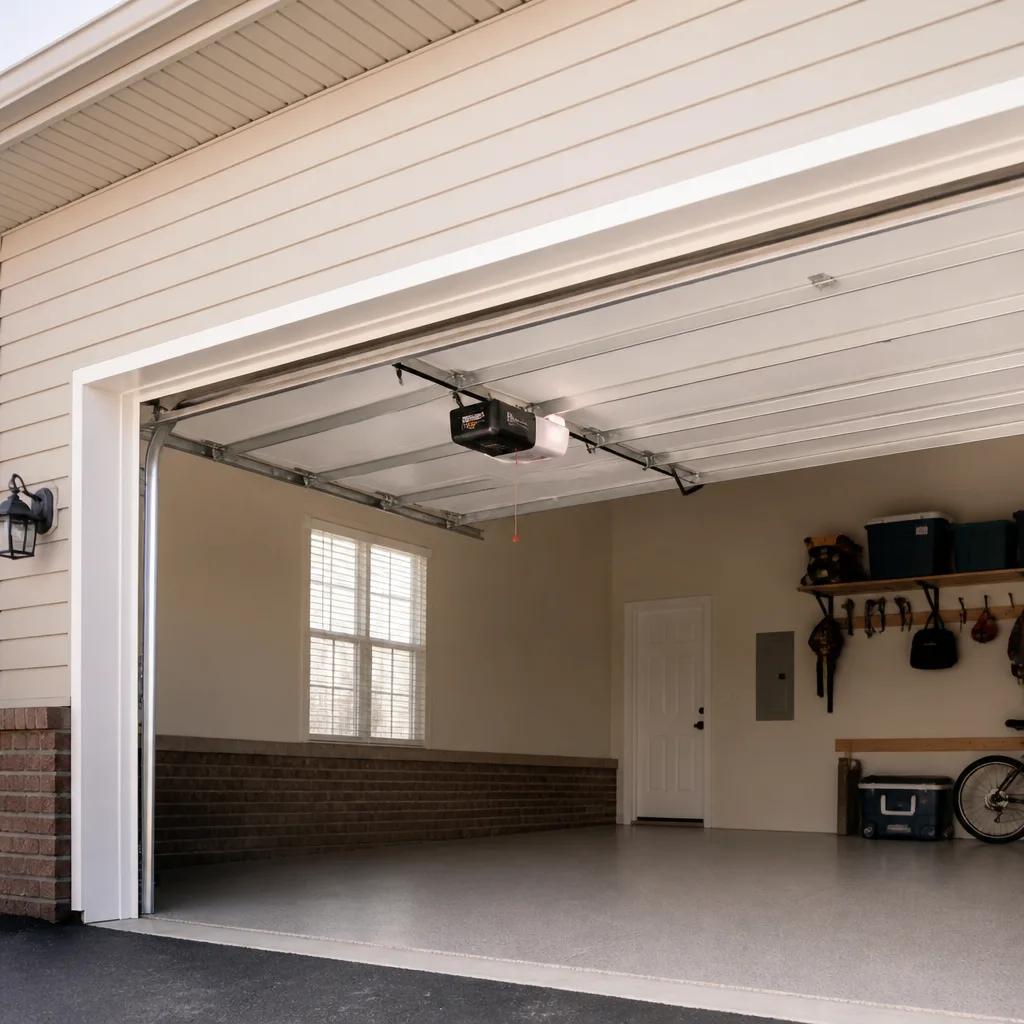 LiftMaster openers
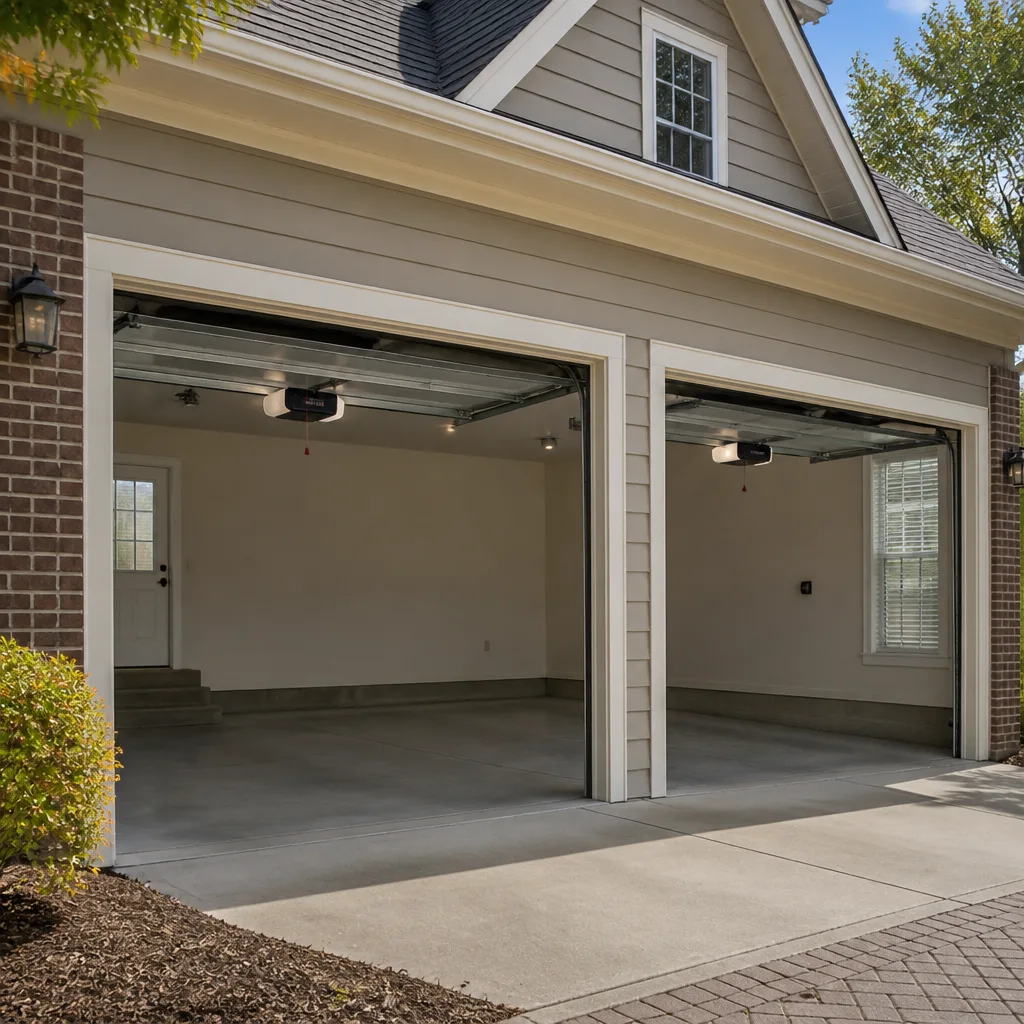 Chamberlain openers
Full 25-point door and opener safety check with every visit - springs, cables, rollers, tracks, and your LiftMaster or Chamberlain opener included
You get a price before we start. It does not change when the pro arrives.
Get your free estimateGarage Door Repair Maintenance Checklist for Green Lake Homeowners
Spraying WD-40 on your garage door springs is one of the most common homeowner mistakes in the Pacific Northwest, and it actively accelerates corrosion on galvanized metal in humid conditions. Most checklists you’ll find online are repackaged manufacturer PDFs that tell you to “lubricate moving parts” without explaining which lubricant destroys plastic components, or why Green Lake’s wet winters demand a different inspection cadence than dry-climate guides assume. Below is a task-by-task checklist written for real Green Lake homes, organized by what you can safely handle yourself and what needs a technician.
Quick Answer
A garage door maintenance checklist for Green Lake homeowners should cover monthly visual inspections, lubrication with the right products for each component (silicone on tracks, lithium grease on springs, nothing on nylon rollers), a balance test twice a year, and a full professional tune-up once annually – plus an extra inspection after the rainy season. The wet Pacific Northwest climate speeds corrosion and loosens hardware faster than dry climates, so Green Lake homes need that seasonal adjustment most national guides skip.
Styles & brands we work with
- Raised-panel steel
- Carriage house
- Modern flush
- Full-view glass
- LiftMaster openers
- Chamberlain openers
Table of Contents
- Why Green Lake’s Climate Changes Your Maintenance Schedule
- What You Can Safely Do Yourself
- The Right Lubricant for Each Component
- How to Perform a Balance Test (and Read the Results)
- Monthly and Seasonal Checklist
- What to Document at Every Checkup
- When the Checklist Calls for a Technician
- Frequently Asked Questions
Why Green Lake’s Climate Changes Your Maintenance Schedule
Green Lake sits in a climate that spends much of the year damp. Rain is frequent from fall through spring, humidity stays high, and the temperature swings between mild wet winters and warmer, drier summers. That pattern matters for garage doors because moisture is the enemy of every metal component in the system: springs, hinges, rollers, bearings, cables and the track itself.
Standard maintenance guides published by national manufacturers assume dry conditions and moderate humidity. They’ll tell you to inspect twice a year and lubricate once. That cadence works in Phoenix. In Green Lake, it falls short. Here’s what the local climate does to a garage door over twelve months:
- Springs corrode faster. Torsion and extension springs are galvanized steel. In damp air, the zinc coating oxidizes, then pits, then the metal weakens. A spring that would last years in a dry climate can fail earlier when it’s constantly exposed to Green Lake humidity.
- Hinges and rollers stiffen. Moisture works into the hinge joints and roller bearings. The door gets louder, the opener works harder, and eventually a roller seizes.
- Wooden doors swell and warp. If your door is wood or wood-composite – common on older Green Lake homes – the wet season causes panels to swell, then the dry season shrinks them back. That cycle loosens joints and stresses paint.
- Track alignment shifts. Ground movement from heavy rain and the freeze-thaw of colder snaps can nudge a track out of plumb. A slightly misaligned track wears rollers and strains the opener.
That’s why we recommend an extra inspection cycle in Green Lake right after the wet season ends. Call it the spring checkup: a full pass after months of rain, before the dry warmth sets in. Most national guides skip this. In our experience working on doors across Green Lake, it’s the single adjustment that prevents the most callbacks.
What You Can Safely Do Yourself
Some maintenance is genuinely homeowner-friendly, and we encourage it. Other tasks carry real danger. The line between them is clear once you understand the system. Here’s the split.
Safe for homeowners:
- Visual inspection of the door and hardware. Look for rust, bent hinges, frayed cables, loose bolts and worn rollers.
- Lubricating tracks, hinges and springs (with the correct products – see the next section).
- The balance test and the manual-release test (details below).
- Tightening visible bolts on hinges and the bracket plate with a socket wrench. Don’t overtighten.
- Cleaning tracks with a damp cloth and checking for debris.
- Testing the safety reverse feature – placing an object in the door’s path and confirming it reverses.
- Wiping down and painting a wooden door to protect against moisture.
Requires a trained technician:
- Any spring work. Torsion springs, in particular, store enormous energy. A wound torsion spring can cause serious injury if it releases unexpectedly. Never attempt to adjust, unwind or replace one yourself. This is the part of the trade where experience genuinely matters, and it’s where our spring repair specialists focus.
- Cable replacement or adjustment. Cables are under high tension and can snap violently.
- Track realignment beyond a minor visual check.
- Opener repair or replacement, including electrical work.
- Panel replacement or door replacement.
- Adjusting spring tension. Even a small adjustment requires the right tools and knowledge of the door’s weight.
The rule of thumb: if it involves tension or stored energy, leave it to a professional. If it’s cleaning, lubricating or visual, you’re fine. For garage door repair that crosses that line, it’s worth having a specialist take over rather than improvising.
The Right Lubricant for Each Component
This is where most checklists fail. “Lubricate moving parts” tells you nothing useful. Put the wrong product on the wrong component and you’ll do more harm than good – attract grit, degrade plastic, or wash away the protective coating on your springs.
The right product for each part:
- Springs: lithium grease or a dedicated garage-door lubricant. A light coating protects the galvanized steel from moisture. Never use WD-40 as a lubricant here – it’s a solvent, not a protectant, and it strips the factory coating that guards against corrosion.
- Tracks: silicone spray, applied lightly. Silicone is dry, doesn’t attract dust the way oil does, and won’t gum up. If you have nylon rollers, keep silicone off them (see below).
- Hinges: a few drops of lithium grease or a light machine oil at each pivot point. Wipe off excess.
- Rollers: ball-bearing steel rollers benefit from a drop of oil on the bearing. Nylon rollers need no lubrication at all – oil degrades nylon and attracts grit, which accelerates wear.
- Opener chain or screw drive: follow the manufacturer’s specification. For LiftMaster and Chamberlain belt-drive openers, the belt itself typically needs no lube. For chain-drive units, a light chain lubricant works.
What never to use:
- WD-40 as a general-purpose lubricant on springs or rollers. It displaces moisture in the short term but evaporates, leaving metal less protected than before.
- Oil on nylon rollers. Nylon self-lubricates. Oil attracts dirt and breaks down the plastic.
- Heavy grease on tracks. It traps debris and turns into a grinding paste.
- Silicone on springs. Silicone is for tracks and rails, not for protecting spring steel from corrosion.
We’ve seen the results of the wrong lubricant on plenty of doors around Green Lake. The fix is usually straightforward, but it’s avoidable. When in doubt, check the owner’s manual for your specific brand – whether it’s a LiftMaster, a Chamberlain, a Genie, a Wayne Dalton or a Craftsman – because the recommendations for rollers and opener drives differ by product.
How to Perform a Balance Test (and Read the Results)
The balance test is the single most useful thing a homeowner can do. It tells you whether your springs are still holding the door’s weight properly, which affects safety, motor wear and longevity. Here’s how to do it:
- Close the door fully and disconnect the opener. Pull the manual release cord (usually a red handle) to disengage the carriage. The door should now move by hand.
- Lift the door to about halfway – roughly waist or chest height. Do it slowly and firmly.
- Let go and watch. A properly balanced door will stay in place, maybe drifting an inch or two.
- If the door falls, the springs are under-tensioned or failing. If it rises on its own, they’re over-tensioned.
- Reconnect the opener by pulling the release cord again and cycling the door once with the opener to re-engage the carriage.
What the results mean:
- Door stays put: springs are balanced. Good.
- Door drifts down: springs are weakening. Your opener is now carrying weight it wasn’t designed for, which shortens its life. Schedule a professional spring check.
- Door drifts up: springs are over-tensioned. This strains the opener on the way down and stresses the cables. Also a technician call – don’t adjust tension yourself.
- Door slams down or feels much heavier than usual: a spring may be broken or nearly broken. Stop using the opener. Call for garage door spring repair and don’t run the door until it’s checked.
Run the balance test twice a year – once in spring, once in fall – and again any time the door starts sounding different. A door that suddenly gets loud or sluggish is telling you something.
Monthly and Seasonal Checklist
Here’s the cadence we recommend for Green Lake homes. It’s the same schedule our technicians follow when they service a door, adapted so a homeowner can do most of it.
Monthly (5-10 minutes):
- Visual scan of springs, cables, rollers and hinges for rust, fraying or wear.
- Listen to the door open and close. Any new grinding, squealing or popping?
- Test the safety reverse: place a roll of paper towels in the door’s path and confirm it reverses on contact.
- Check that the photo-eye sensors on both sides of the door are aligned and the indicator lights are on.
Seasonal (fall and spring, 30-45 minutes):
- Full lubrication pass with the correct products.
- Balance test.
- Tighten visible bolts on hinges and brackets.
- Wipe down tracks and check for debris or dents.
- Inspect weatherstripping along the bottom and sides of the door – Green Lake’s wet season punishes worn seals.
- For wooden doors: check paint and stain, touch up any bare spots before the wet season.
The extra Green Lake wet-season inspection:
After the rainy months, do one more full pass. Look specifically for rust that’s appeared since fall, any hinge that’s stiffened, and any track that’s shifted. This is the extra cycle most national guides don’t mention – and it’s the one that catches problems before they become repairs.
What to Document at Every Checkup
Here’s a habit that separates homeowners who stay ahead of problems from those who get surprised. Keep a simple log. It takes a minute, and it changes how a technician can help you.
Log the following each time you do a checkup:
- Date of the checkup.
- What you lubricated and with what product.
- Balance test result – stayed put, drifted down, drifted up.
- Any noise or behavior changes you noticed.
- Any parts you tightened or replaced, and their brand if you know it.
- Photos of the springs, hinges and rollers from the same angle each time. Photos show corrosion progression better than memory.
Why bother? Because when you call a technician, you’re not guessing. You can say “the springs looked fine in October, this rust appeared in March, and the balance test started drifting in April.” That’s a maintenance history, not a vague complaint. It helps a technician diagnose faster and helps you decide whether a part is due for replacement or just needs attention. It also tells you whether it’s time for garage door parts – a worn roller or hinge is cheap and easy while a seized one takes the opener with it.
If you’ve had a professional tune-up, log that too, along with what was checked or replaced. When the same technician can see the history, the next visit is more accurate.
When the Checklist Calls for a Technician
Some issues are beyond a homeowner checklist. Here are the specific situations where we recommend calling a professional rather than continuing to DIY:
- Any broken spring. A snapped torsion or extension spring is the most common repair we handle, and it’s the most dangerous to touch. The door becomes very heavy and the remaining spring is under load.
- Frayed or slack cables. Cables under tension can injure. Don’t try to reattach one.
- A door that won’t balance. If the balance test shows drift in either direction, the spring tension needs a professional adjustment.
- Opener problems. If the opener runs but the door doesn’t move, reverses immediately, or the remote stops working, that’s a repair rather than maintenance. Garage door opener repair covers the electronics and mechanical side.
- A door that’s visibly out of alignment – gaps on one side, a track that’s bent, panels that rub.
- Any door older than its hardware can safely support, or where multiple parts are worn at once. That’s often the point where garage door installation makes more sense than repair. We’ll tell you which one actually makes sense.
If you’re not sure whether something crosses the line, that’s fine. Call and describe what you’re seeing. A quick conversation often settles it. Garage Door Repair Green Lake offers free estimates in Green Lake – call (866) 429-4392, and we’ll help you decide what’s maintenance and what’s repair.
Common Mistakes to Avoid
- Using WD-40 as a lubricant on springs and rollers. It’s a solvent, not a protectant. In Green Lake’s damp climate it doesn’t stop corrosion – it may make it worse by stripping the galvanized coating.
- Oiling nylon rollers. Nylon is self-lubricating. Oil attracts grit and degrades the plastic. If you’re not sure what kind of rollers you have, check the brand – LiftMaster, Chamberlain and Genie doors often ship with nylon rollers.
- Skipping the post-wet-season inspection. Most guides say twice a year. In Green Lake, the extra spring pass catches corrosion and loosened hardware before they become repairs.
- Ignoring a noisy door. A grinding or squealing door is telling you something. Waiting until it stops working turns a small fix into a bigger one.
- Adjusting spring tension yourself. This is the one maintenance task that genuinely endangers you. Torsion springs store enormous energy. Leave it to a trained technician.
- Lubricating the tracks with oil or grease. It turns the tracks into a dust magnet. Use silicone spray, lightly.
- Not keeping a log. Without a written history, you’re guessing when parts were last serviced. A simple log makes every future checkup and service visit more accurate.
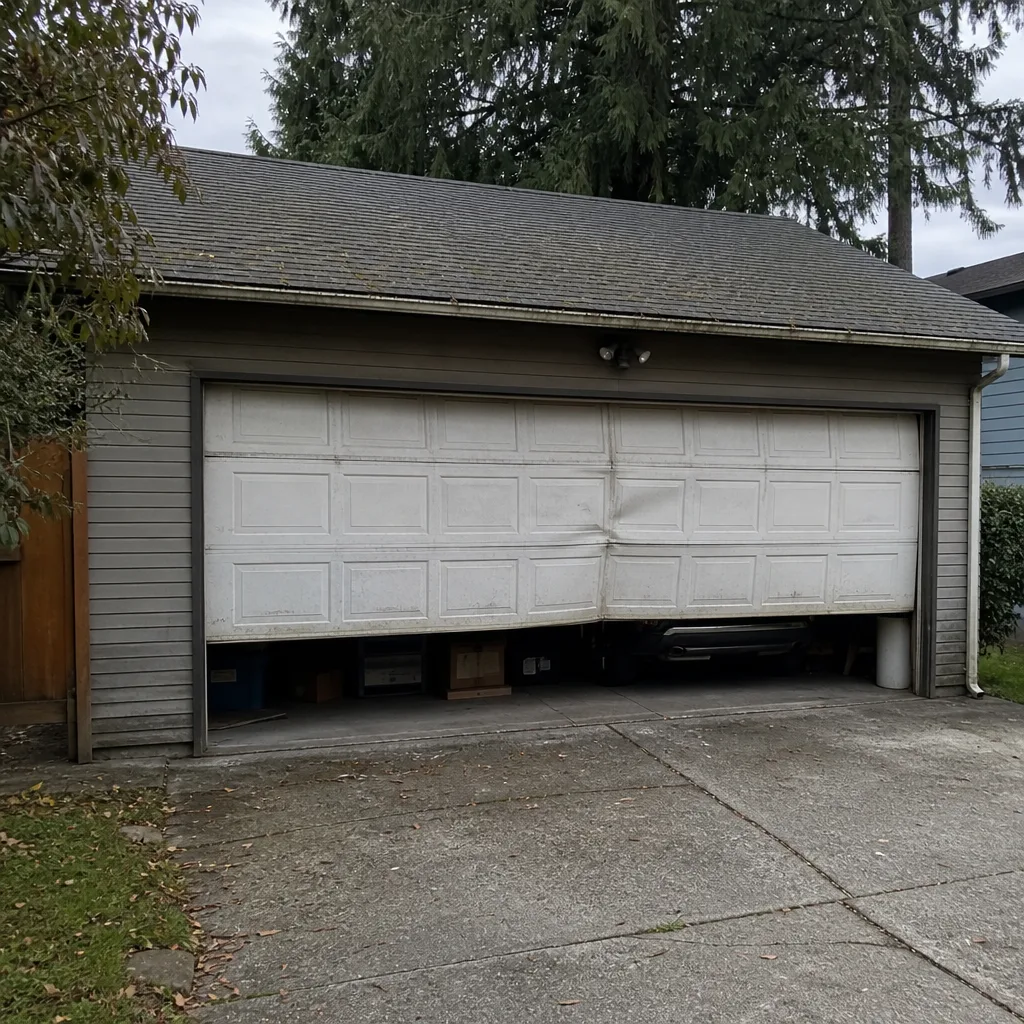
See the difference
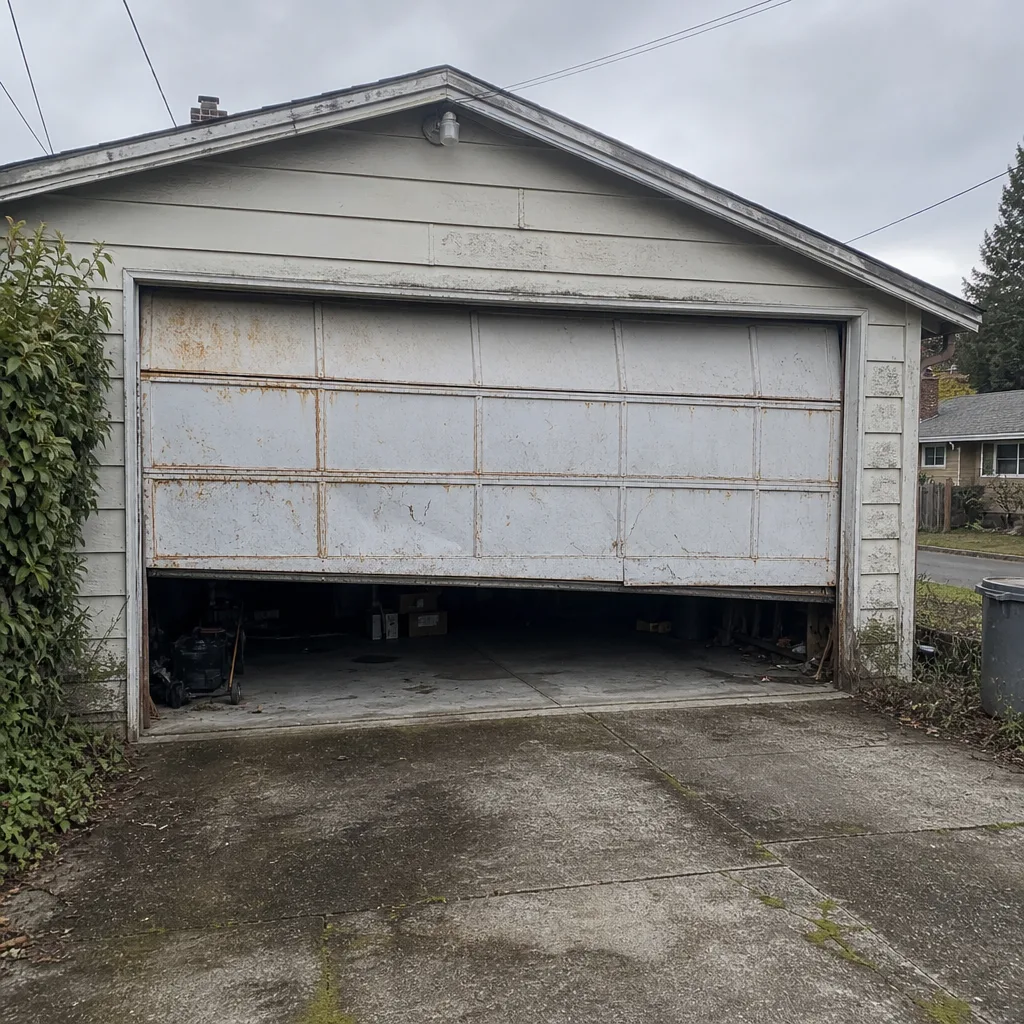 Before
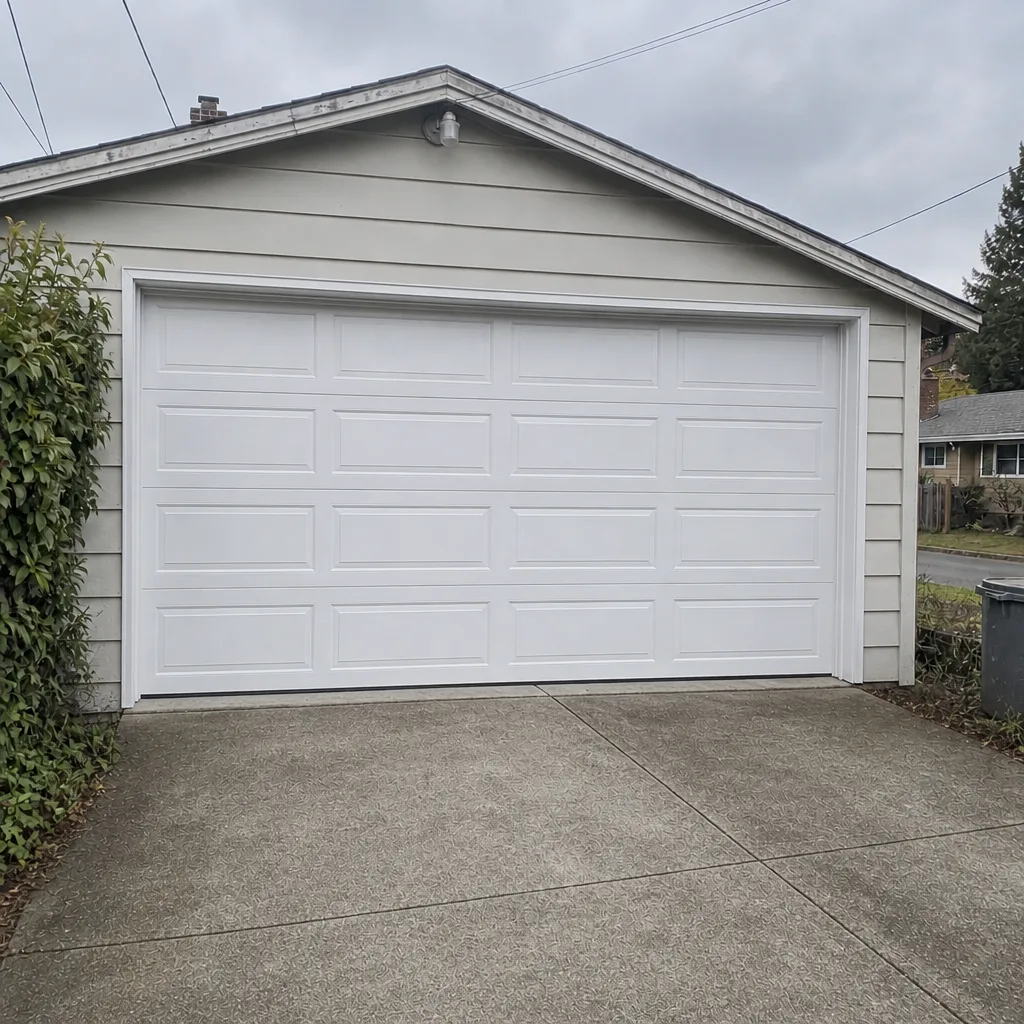 After
 Before
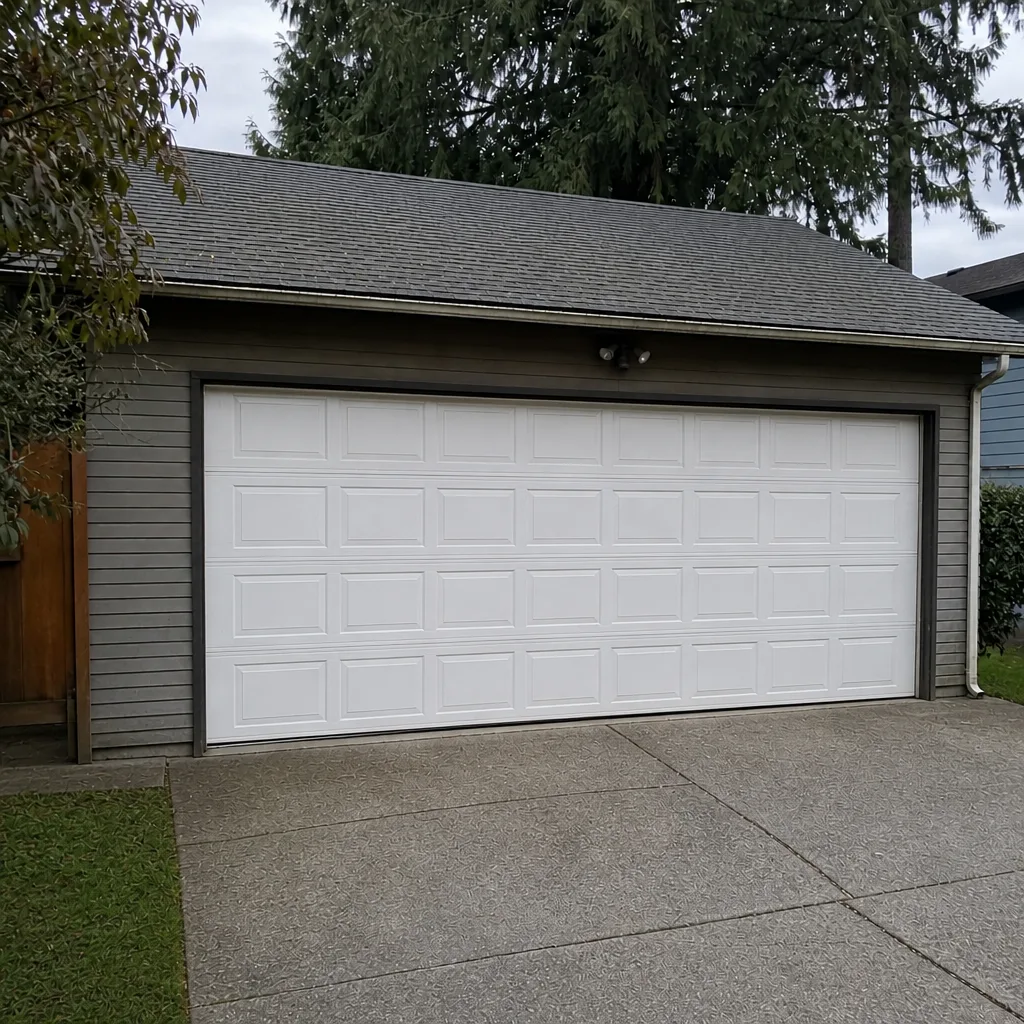 After
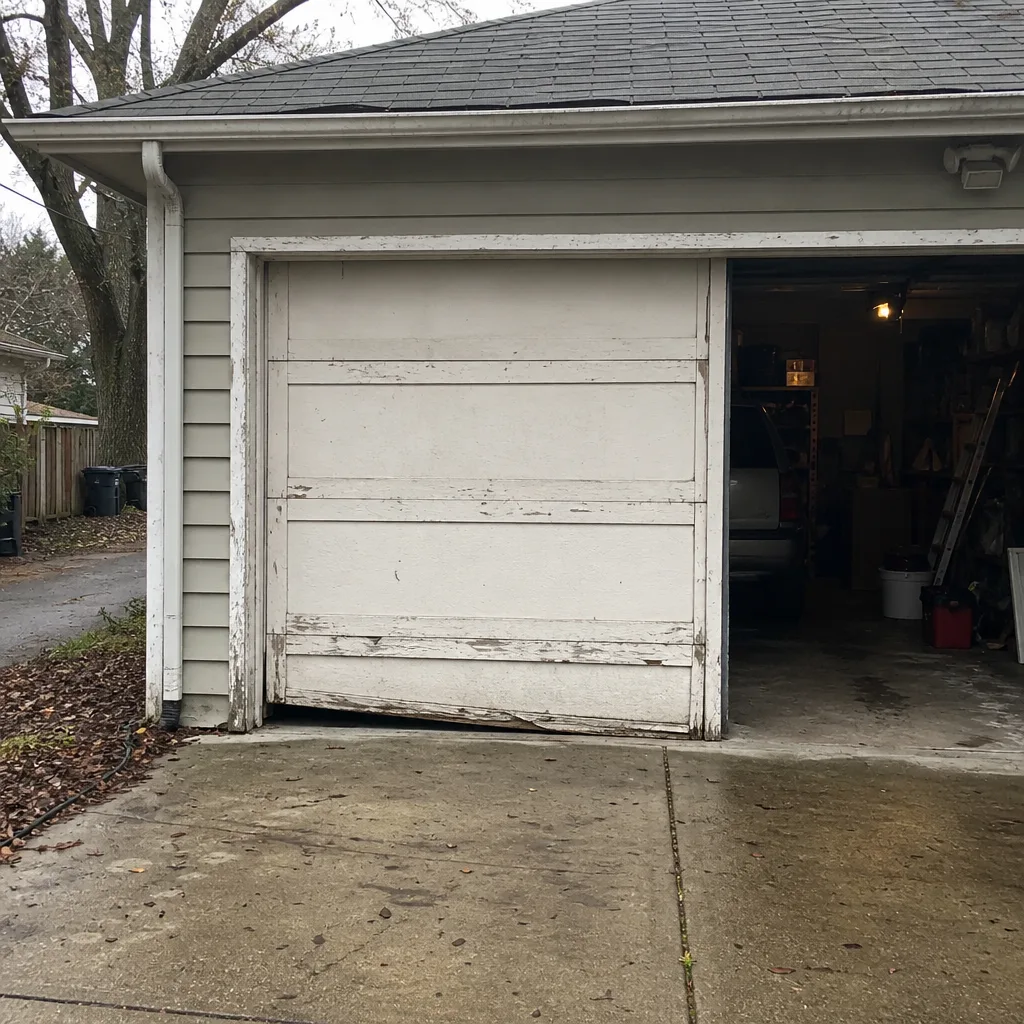 Before
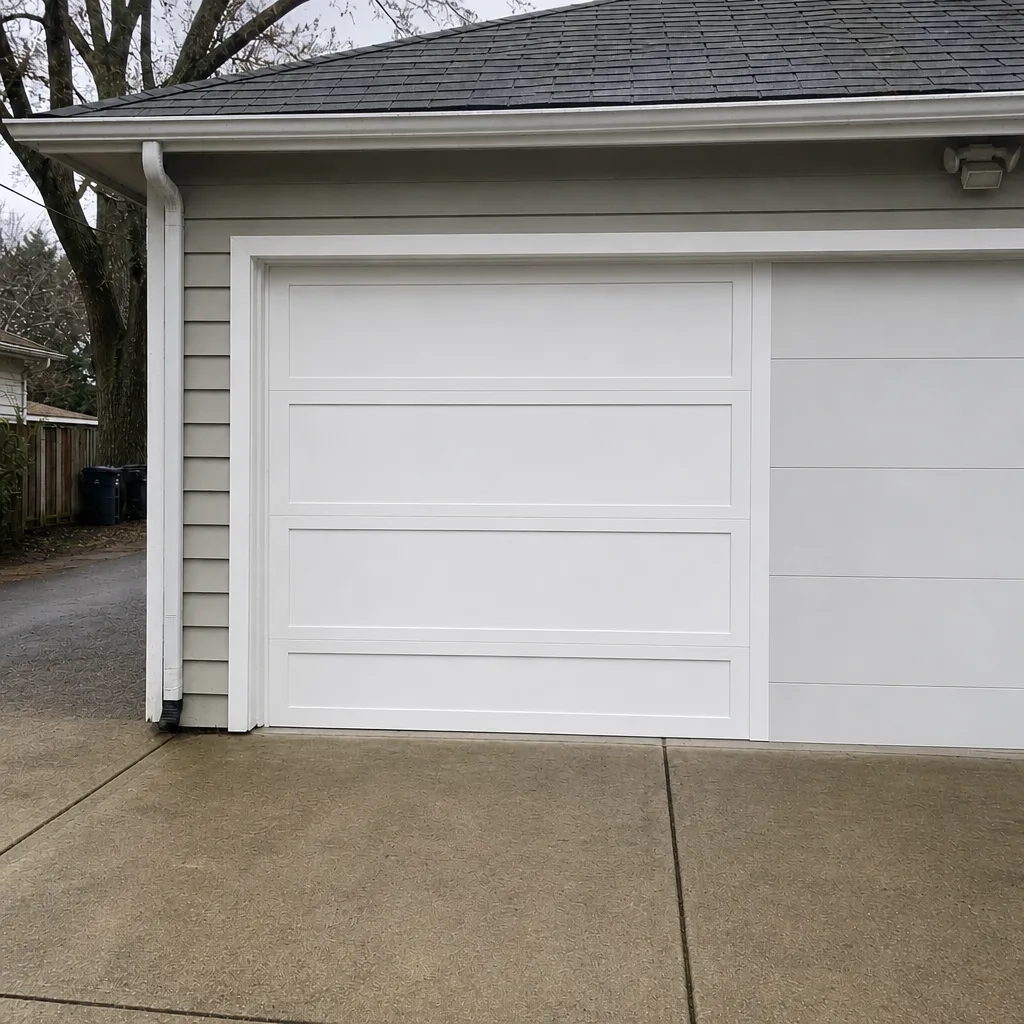 After
When to Call a Professional
Call a professional for anything involving springs, cables, opener electronics, track alignment beyond a visual check, or a door that fails the balance test. Call immediately if you hear a loud snap, the door becomes very heavy, or the opener runs without moving the door. Those are the situations where continuing to run the door can turn a small repair into a larger one. If your door is old and multiple parts are worn, ask for an honest assessment of repair versus replace. Garage Door Repair Green Lake offers free estimates in Green Lake – call (866) 429-4392, and we’ll tell you what the door needs.
Frequently Asked Questions
Do a quick visual check monthly, a full lubrication and balance test twice a year, and remember that Green Lake’s damp climate warrants one extra inspection after the wet season. Most national guides assume dry conditions and skip that extra pass. Locally, it’s the one that prevents the most problems.
Use lithium grease or a dedicated garage door lubricant on springs. Never use WD-40 as a lubricant – it’s a solvent and doesn’t protect galvanized steel from moisture. On tracks, use silicone spray; on hinges, lithium grease; and leave nylon rollers unlubricated entirely.
No. Torsion and extension springs store enormous energy and can cause serious injury if they release unexpectedly. Spring replacement also requires setting the correct tension for the door’s weight. This is a job for a trained technician – it’s the most common service we handle and the one where specialist knowledge matters most.
If your door drifts down when released halfway, the springs are losing tension and the opener is carrying too much weight. If it drifts up, they’re over-tensioned. Either result means the spring system needs a professional look – don’t run the door regularly until it’s checked.
If one part is worn – a roller, a hinge, a spring – repair usually makes sense. If multiple major components are failing at once, or the door is old and requires repeated service, replacement can cost less over time. Ask for an honest repair-versus-replace assessment rather than a sales pitch.
We work on eight major brands: LiftMaster, Chamberlain, Genie, Clopay, Amarr, Wayne Dalton, Craftsman and Raynor. That covers both modern smart openers and older legacy and builder-grade units. If your door carries one of those names, it’s one we know well.
The Bottom Line
A maintenance checklist only helps if it’s matched to your climate and your door. Green Lake’s damp winters mean an extra inspection cycle, the right lubricant on the right component, and a written log that tells you what’s been done. Handle the safe DIY tasks – visual checks, lubrication, balance tests – and call a professional for anything involving springs, cables or opener electronics. That split prevents the most common failures and keeps the door safe. Our technicians have up to 13 years of experience, and we’ve been serving Green Lake since 2013. When something needs a trained eye, call (866) 429-4392 for a free estimate.
Written by the team at Garage Door Repair Green Lake.