Last updated November 21, 2026
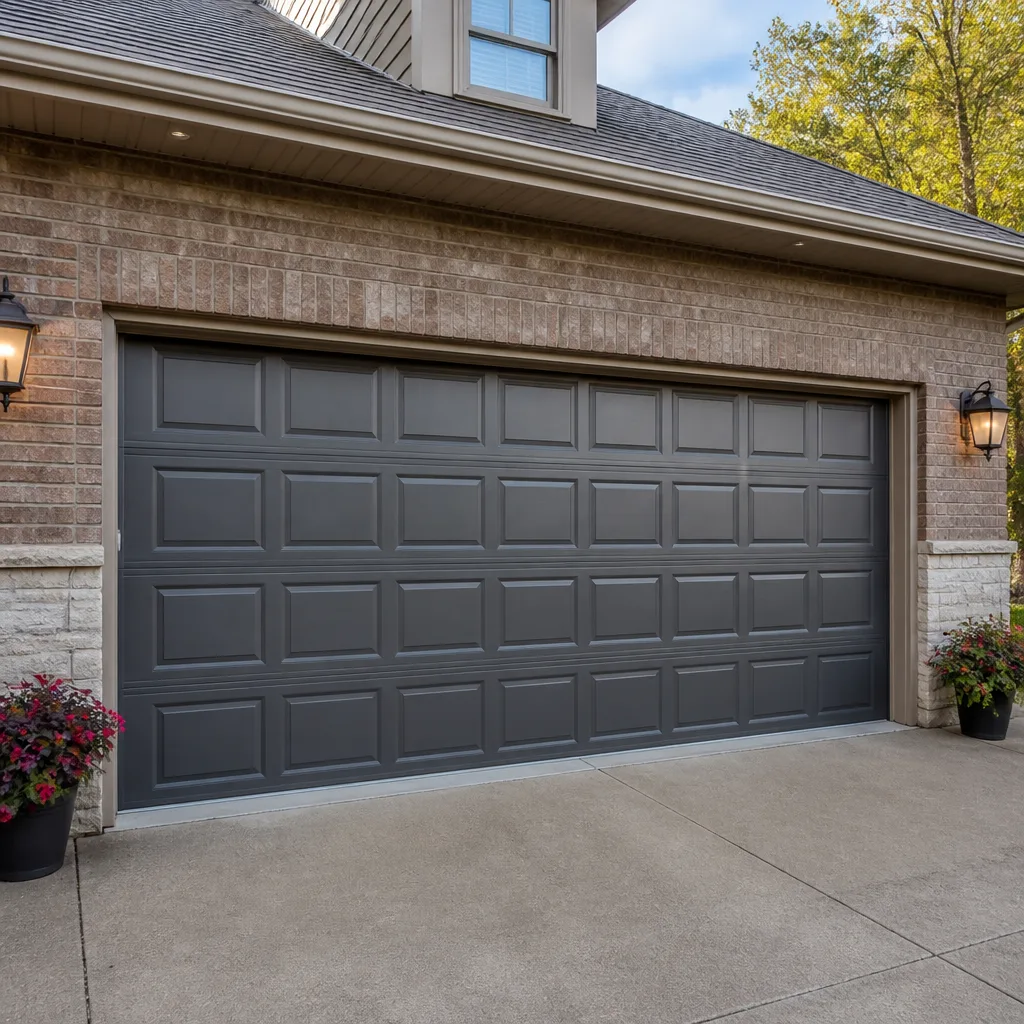 Raised-panel steel
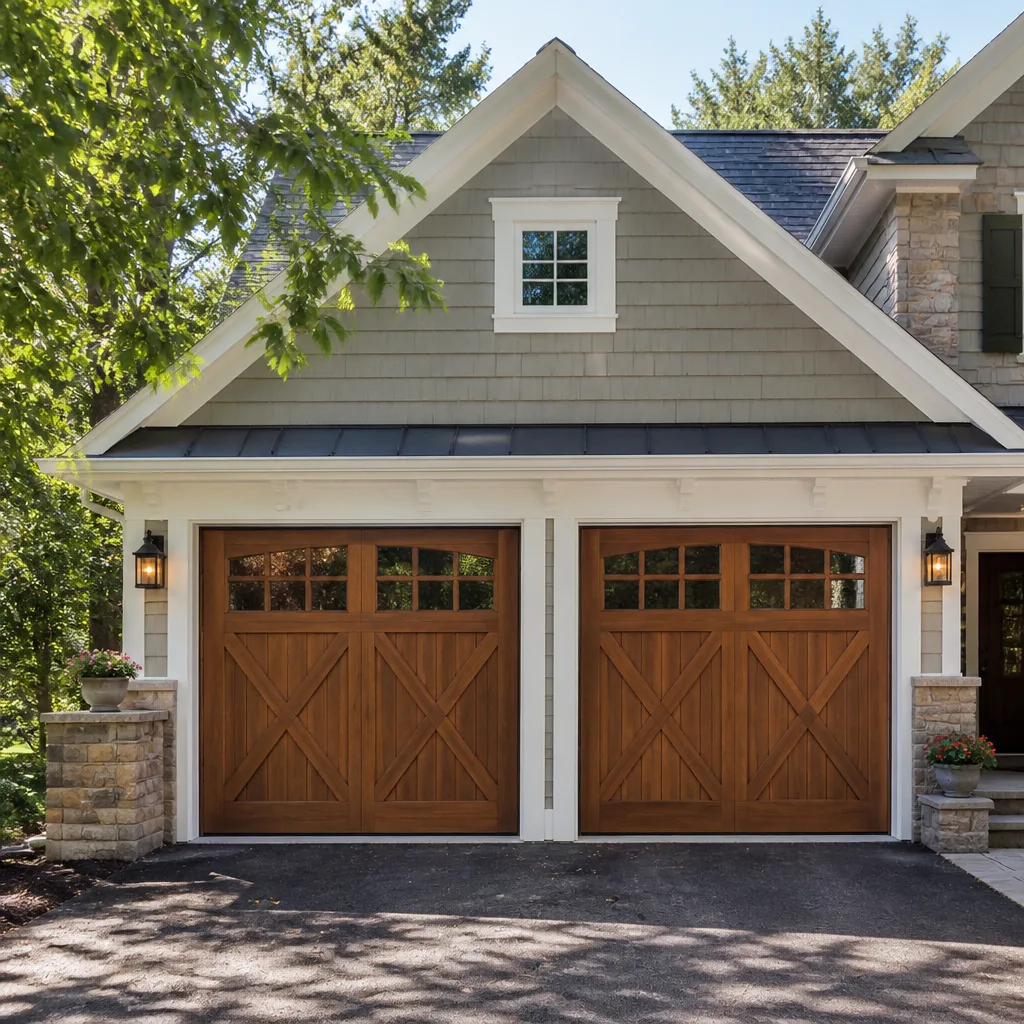 Carriage house
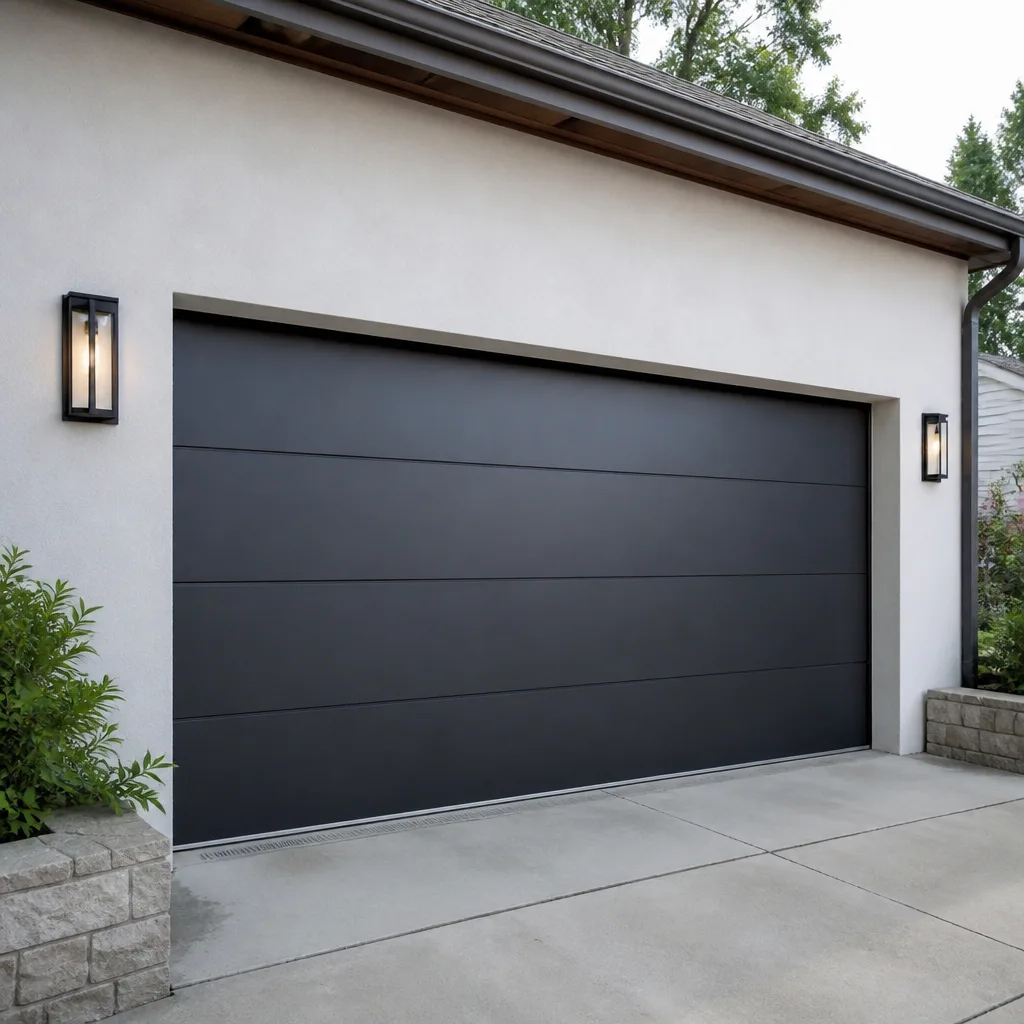 Modern flush
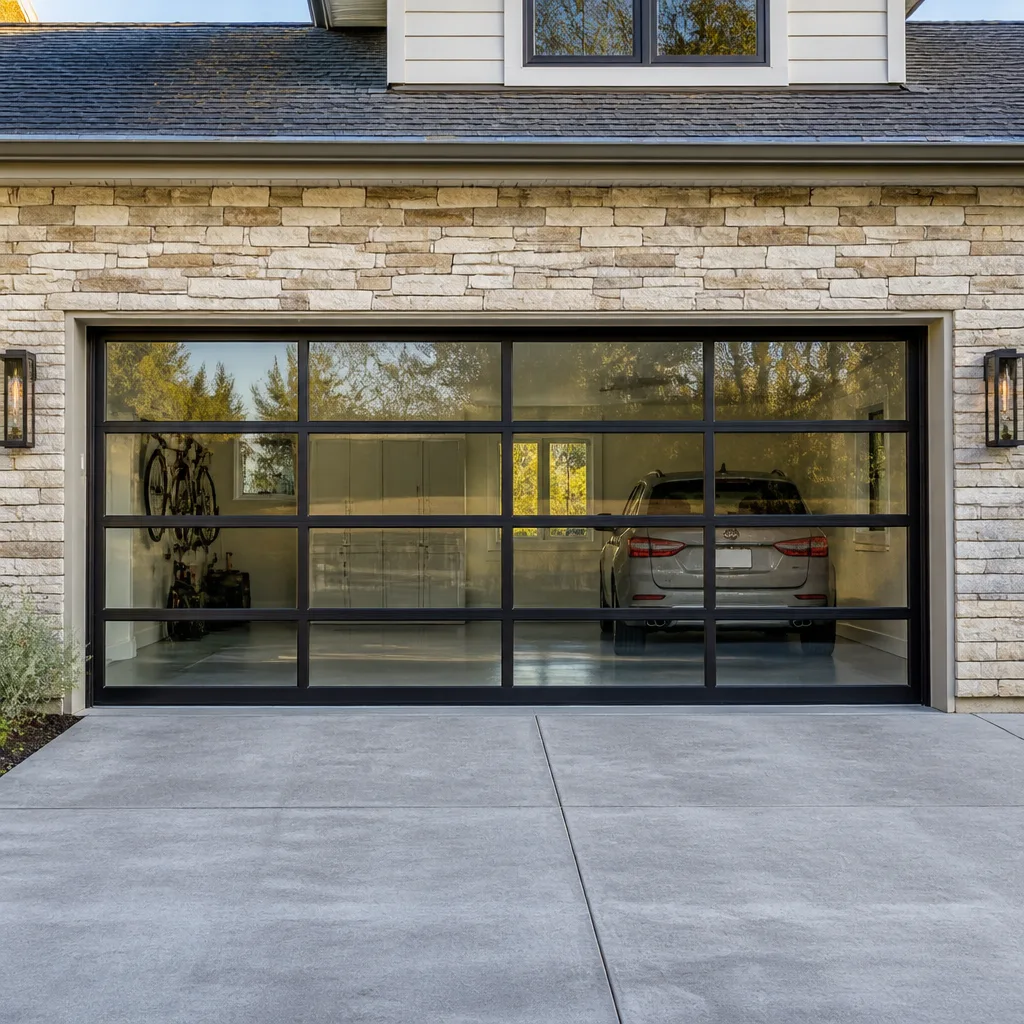 Full-view glass
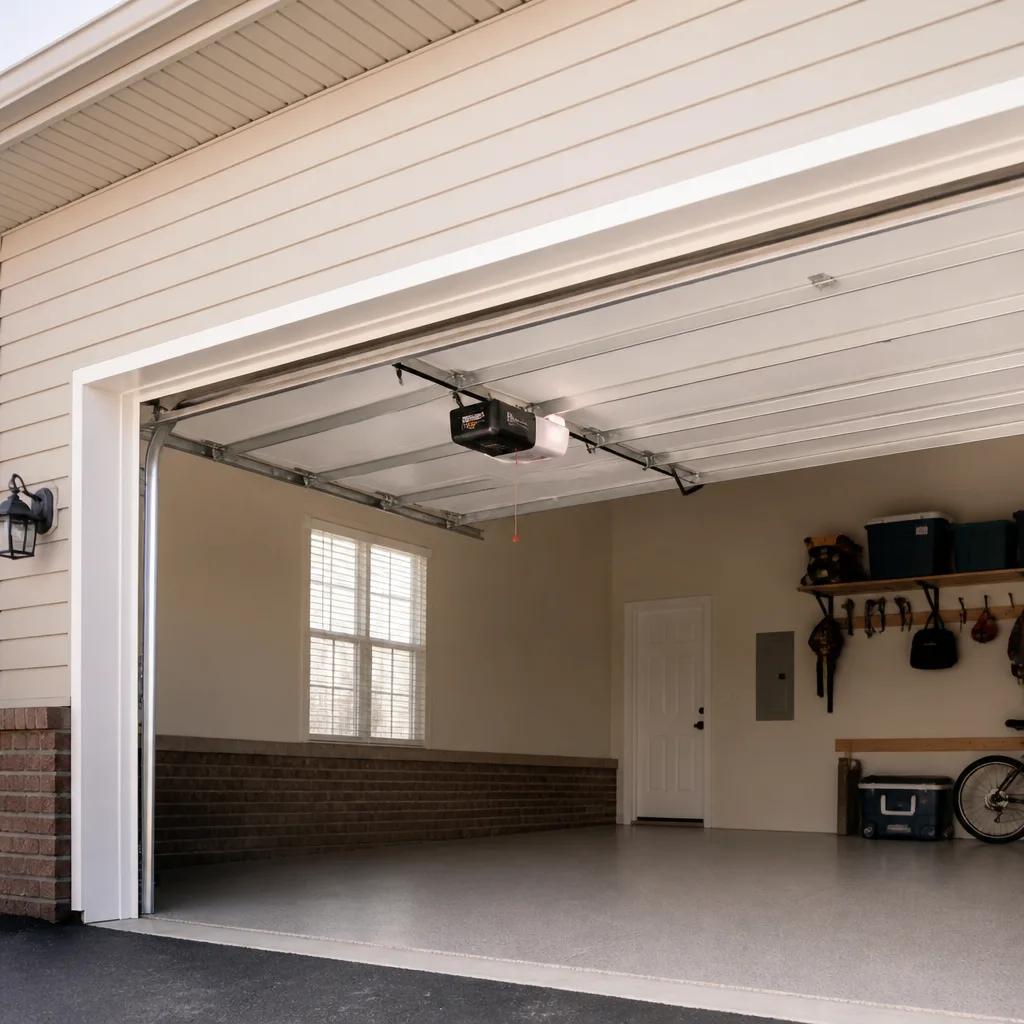 LiftMaster openers
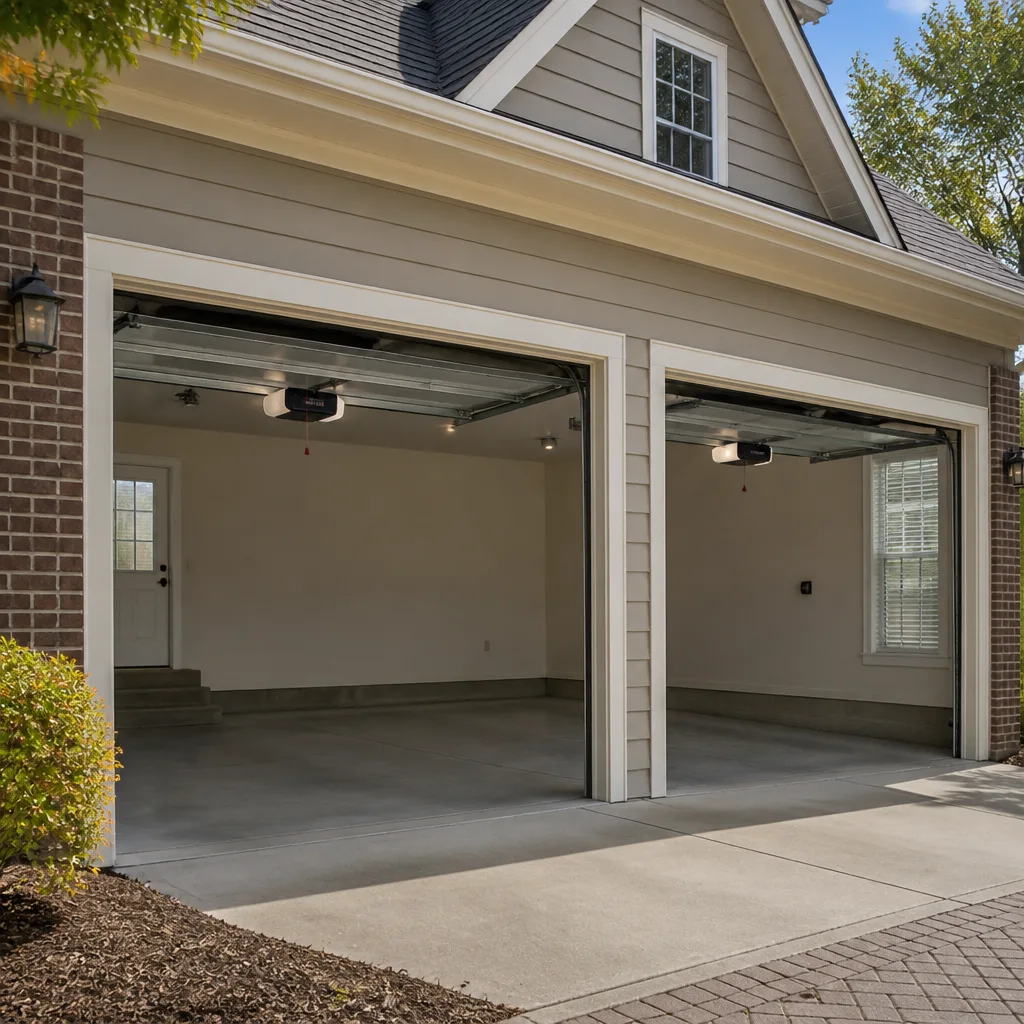 Chamberlain openers
Full 25-point door and opener safety check with every visit - springs, cables, rollers, tracks, and your LiftMaster or Chamberlain opener included
You get a price before we start. It does not change when the pro arrives.
Get your free estimateGarage Door Repair Troubleshooting in Green Lake: Common Problems and How to Fix Them
Your garage door has roughly 30 moving parts, but about 80% of the repair calls we handle trace back to just four of them: the springs, the opener, the cables, and the safety sensors. That’s a small number to keep in your head, and it changes the whole way you approach a door that’s stopped working. Most homeowners start by guessing at symptoms. A better approach is to figure out which of those four systems is talking to you before you touch anything. This guide walks Green Lake homeowners through a symptom-based diagnostic framework, separating the fixes you can safely do yourself from the ones that need a trained technician.
Quick Answer
Garage door problems are almost always traceable to one of five systems: springs, opener, tracks, cables, or sensors. You can safely handle sensor alignment, opener limit adjustments, and lubrication yourself. Torsion springs, cables, and anything involving the door under tension require a trained technician. The key is matching the symptom to the system before you try anything, because forcing a resisting door is what turns a small repair into an expensive one.
Styles & brands we work with
- Raised-panel steel
- Carriage house
- Modern flush
- Full-view glass
- LiftMaster openers
- Chamberlain openers
Table of Contents
- The Five-System Diagnostic Framework
- The Door Won’t Open: What to Check First
- The Door Won’t Close or Reverses Immediately
- The Door Opens Partway and Stops
- Loud Bangs, Grinding, and Squealing
- The Door Moves Crooked or Looks Off-Level
- Why Seattle-Area Humidity Hits Green Lake Doors Harder
- What You Can Safely Fix vs. What Needs a Technician
- Common Mistakes to Avoid
- When to Call a Professional
The Five-System Diagnostic Framework
Every garage door repair starts with a simple question: what is the door actually doing? Not what you think is broken, but what you observe. A door that opens partway and stops is telling you something different from a door that reverses the moment it touches the floor. Before you look at a single part, run the symptom through one of these five categories.
- Spring system: The torsion spring above the door or the extension springs along the sides carry the door’s weight. When they fail, the door feels impossibly heavy or won’t move at all.
- Opener: The motor, the logic board, the gear assembly, and the limit switches all live here. Opener failures usually show up as a door that won’t respond to the remote, runs the motor without moving the door, or stops at a consistent height.
- Tracks: The rails the door rides on. Bent, dirty, or misaligned tracks cause binding, grinding, and crooked travel.
- Cables: The steel cables on either side connect the door to the spring system. A snapped cable creates a visible loose strand and an uneven door.
- Sensors: The photo-eye pair at the bottom of the tracks. Sensor problems are almost always about closing, not opening.
Here’s the useful part. Only two of these five systems are safe for a homeowner to work on directly: the sensors and, within limits, the opener’s settings and lubrication points. The other three involve spring tension or load-bearing parts that can cause serious injury. You can still diagnose them. You just don’t fix them yourself. Knowing which category you’re in takes five minutes and often saves a service call entirely when it turns out to be something simple like a misaligned sensor or a remote with a dead battery.
The Door Won’t Open: What to Check First
A door that won’t open at all is the most common call we get in Green Lake, and the good news is that the cause usually announces itself right away. Start with the easiest checks and work toward the more serious ones. In our experience, this order saves the most time:
- Check the power and the remote. Look at whether the opener’s light comes on. If it doesn’t, you may have a tripped breaker or an unplugged power cord. Replace the remote battery too; it’s cheap and rules out a dead transmitter.
- Pull the opener release handle. Every opener has a red emergency release handle hanging from the opener rail. Pull it to disconnect the door from the opener and try lifting the door by hand. This is the single most useful test you can do.
- Lift the door by hand and judge the weight. A door that lifts easily and smoothly suggests the problem is in the opener, not the door itself. A door that’s incredibly heavy or won’t lift at all points to the spring system.
- Check the wall switch. A stuck or faulty wall button can hold the door down. Test with the wall switch as well as the remote.
That third step is the fork in the road. A heavy, immovable door almost always means a broken torsion spring or a snapped cable, and neither is a repair to attempt yourself. A door that lifts easily with the opener disconnected points you toward an opener problem, which could be as simple as a burned-out gear or a logic board issue. If you work with a technician fluent in your brand, the opener side of this gets much faster. Your LiftMaster or Genie opener behaves in predictable ways when a gear fails, and knowing the pattern leads straight to the fix.
The Door Won’t Close or Reverses Immediately
This is the one problem area you can almost always fix yourself. When a garage door starts closing and then reverses, or refuses to close at all while the opener light flashes, the safety sensors are the first suspect. Those two photo-eye lenses sit a few inches above the floor on each side of the door. They send an invisible beam across the opening, and if anything breaks that beam, the door won’t close as a safety feature.
Here’s how to test them:
- Look at the LED on each sensor. Most sensors have a small indicator light that glows steady when aligned and flashes or goes dark when the beam is broken.
- Wipe both lenses with a dry cloth. Dust, cobwebs, and pollen buildup block the beam more often than you’d expect.
- Check for obstacles: a garbage can, a bicycle wheel, a stray branch, anything sitting in the door’s path.
- Loosen the wing nut on the sensor bracket and adjust the aim until both indicator lights glow steady.
If the sensors are aligned, clean, and clear and the door still won’t close, the next thing to check is the close limit setting on the opener. A close-force or close-limit adjustment that has drifted can make the door reverse even when nothing is in the way. Both the sensor alignment and the limit setting are safe for a homeowner to adjust. If the door still reverses after that, the problem is likely in the opener’s logic board or the wiring to the sensors, and that’s when a call makes sense. We handle garage door opener repair for every major brand, and a reversing door is one of the most common reasons people reach out.
The Door Opens Partway and Stops
A door that starts up and then stops at the same height every time is giving you a strong clue. Consistent stopping at a fixed height points to the opener’s travel-limit settings or a physical obstruction on the track. The door opens partway, binds on something, the opener senses resistance, and it stops.
- Check the up-limit setting. Most openers let you adjust how far the door travels in the up direction. A limit switch that’s drifted too low will stop the door before it reaches the top.
- Inspect the tracks for obstructions. Look for a small dent, a pebble, or debris lodged in the rail. Don’t force anything; a bent track needs straightening by someone who knows how far it can safely be adjusted.
- Look for a sagging door or a worn roller. If one side of the door lags behind the other, a heavy roller or a worn hinge can bind as the door travels up.
- Test the door by hand. Disconnect the opener and lift the door. If it binds by hand too, the problem is mechanical, not the opener.
If the limit adjustment doesn’t solve it and the door moves smoothly by hand, the opener’s motor or gear assembly is the next suspect. Gear wear is common on older units and shows up as a door that runs the motor but stops short or grinds under load. On a Craftsman or a Wayne Dalton opener, that’s usually a straightforward gear replacement once we’ve confirmed the diagnosis. Don’t keep hitting the remote to force it upward; repeated attempts put more strain on a mechanism that’s already resisting, and that’s how a small repair grows into a bigger one.
Loud Bangs, Grinding, and Squealing
Garage door noise is one of the clearest signals a door gives you, and each sound maps to a different system. Learning to tell them apart is worth the two minutes it takes.
- A loud bang like a gunshot: This is almost always a torsion spring breaking. The door will feel heavy afterward, and you should not try to open it. A broken torsion spring needs a trained technician, full stop.
- Grinding during travel: Usually worn rollers, dry hinges, or a slightly misaligned track. Lubrication and roller replacement often fix it.
- Squealing or squeaking: Dry bearings, torsion tube friction, or unlubricated hinges. A silicone-based lubricant on the hinges, rollers, and torsion tube (never on the tracks themselves) usually quiets it down.
- Rattling: Loose bolts in the door panels or hinges. A quick tightening with the right wrench can fix this, but don’t overtighten.
Regular lubrication is the single best thing a Green Lake homeowner can do to reduce noise and extend the life of the moving parts. Lubricating hinges, rollers, and the torsion tube a couple of times a year quiets a door and reduces wear. What we’ll add here is that if you hear a bang followed by a door that suddenly feels twice as heavy, stop. A broken torsion spring means the door is now dead weight held only by the spring system’s geometry, and forcing it open can damage the door panels or the opener.
The Door Moves Crooked or Looks Off-Level
A door that looks like it’s leaning or moving unevenly is a specific and usually mechanical problem. The door itself hasn’t warped; it’s being pulled unevenly. That’s almost always one of a few known culprits.
- A snapped cable on one side: Look at the cables running along each side of the door. A snapped cable will be visibly loose or hanging, and the door will sag on that side.
- A broken extension spring: On doors with springs mounted alongside the tracks, one broken spring means one side no longer has lift assistance. The door pulls up crooked.
- A damaged roller or hinge: A cracked roller or bent hinge can drag, making one side of the door lag.
- A misaligned track: A track that’s been bumped or bent sends the door off its true line as it travels.
This category is where diagnosis matters most, because the fix differs based on which part failed. A bent track can be straightened or replaced. A snapped cable or a broken spring requires the door to be properly balanced again, and the door under load is not something to work on yourself. If you’re not sure which of these you’re looking at, that’s a good reason to stop and call. The cables and springs are the two systems with the least room for error, and they’re the ones a trained technician should be handling. A crooked door that’s left alone also strains the opener, so the sooner you get it looked at, the less chance the problem spreads to the motor too.
Why Seattle-Area Humidity Hits Green Lake Doors Harder
Green Lake sits in a climate that’s wetter for longer than most of the country, and that specific humidity pattern accelerates certain garage door failure types. The moisture in the air works its way into the parts of the door that live closest to the floor or the outside wall, and it doesn’t dry out the way it would in a drier climate.
Two failures show up more in Green Lake doors than in drier regions. The first is corrosion at the bottom brackets and the lower hinges. The bottom brackets sit right where road moisture, runoff, and damp air collect, and over time the metal starts to pit and seize. A seized bottom bracket puts extra strain on the cable, which is one reason a cable can fail long before its age would suggest. The second is swelling in wood door sections. Older Wayne Dalton and other wood-core doors absorb humidity at the bottom and swell, which throws off the door’s balance and can cause it to bind in the tracks. Doors that stay wet at the bottom in this climate tend to show it faster than the same doors would somewhere drier.
You can slow this down. Keeping the garage floor dry, wiping up standing water, and making sure the door has ventilation helps. A metal door with a good bottom seal and drainage around the garage opening handles the humidity better than an older wood door. If you’re replacing a wood door and want something that stands up to Seattle humidity, a steel or aluminum door from Clopay or Amarr is a practical choice, and we can walk you through the options for garage door installation when the time comes.
What You Can Safely Fix vs. What Needs a Technician
This is the section we want Green Lake homeowners to remember, because it’s where injuries happen. The garage door is one of the most heavily loaded mechanisms in a house, and some parts of it are under significant tension even when the door is closed. Here’s the clear dividing line.
Safe to handle yourself
- Sensor alignment and cleaning
- Opener travel-limit and force adjustments (with the manual in front of you)
- Lubricating hinges, rollers, and the torsion tube
- Replacing remote batteries and re-pairing remotes
- Tightening loose bolts on hinges and panels
- Clearing obstructions from the tracks and the door’s path
Needs a trained technician
- Torsion spring repair or replacement
- Extension spring replacement
- Any cable replacement or adjustment
- Bottom bracket and drum replacement
- Balancing a door that’s become uneven
- Anything involving the door under load or tension
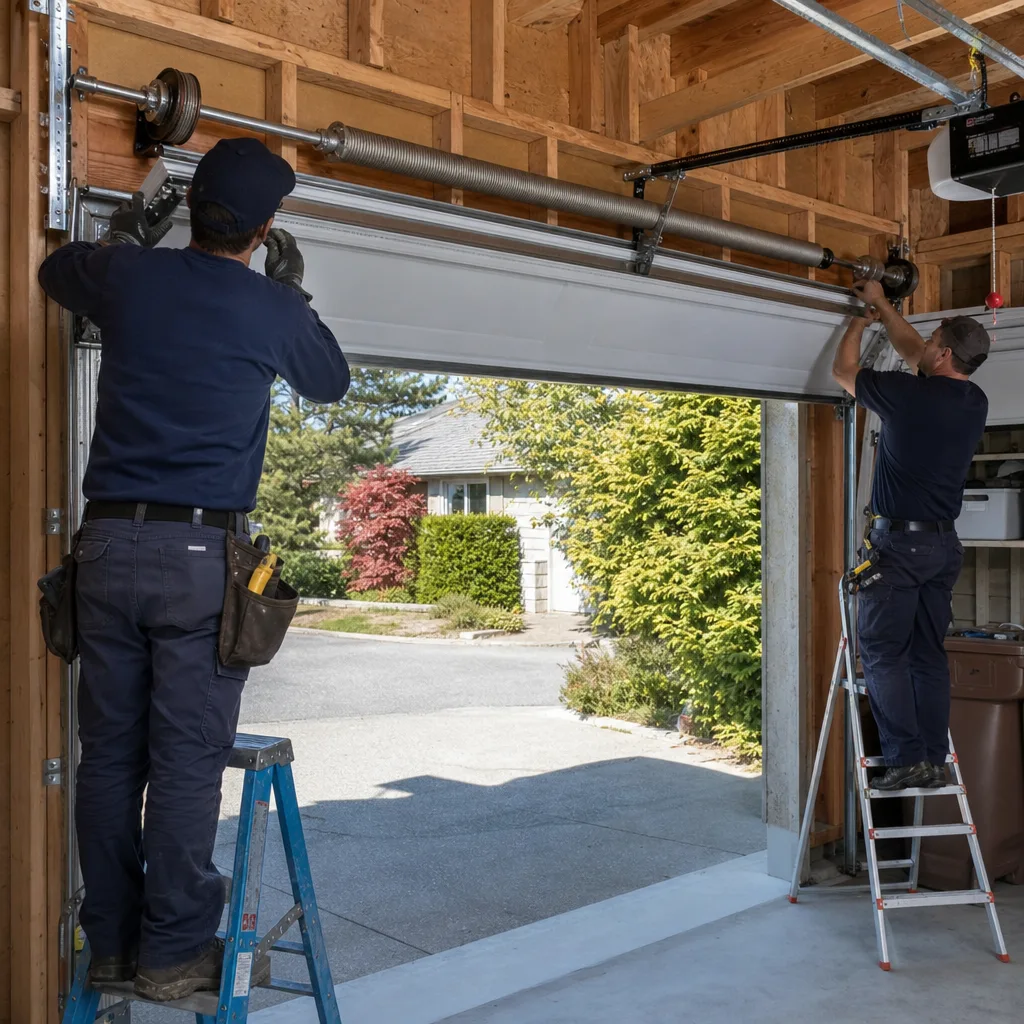
Torsion springs are the standout hazard. They’re wound tight to counterbalance the door’s weight, and releasing that tension incorrectly can cause serious injury. This isn’t a general handyman job or a first-time DIY project. It’s the repair that most often goes wrong for homeowners who try, and it’s why spring repair sits at the center of what we do. That specialized work is what we focus on, alongside garage door repair for the whole door system, and our technicians have up to 13 years of experience handling both. If you’re ever unsure which side of the line a problem falls on, that uncertainty is your answer: it’s a technician’s job.
Common Mistakes to Avoid
- Forcing a door that’s resisting movement. This is the diagnostic mistake that turns a $150 repair into a $600 one. If the door won’t move by hand, something in the spring or cable system has failed, and forcing it bends panels, strains the opener, and can send the door off its tracks. Stop and call instead.
- Lubricating the tracks. Tracks need to be clean and dry; the rollers ride in them and need friction to stay aligned. Grease on the tracks attracts dust and causes the rollers to slide instead of roll. Lubricate the hinges, rollers, and torsion tube, not the tracks themselves.
- Pulling the emergency release on a door with a broken spring. On a door with a failed spring, the emergency release can let the door come down hard. Only pull the release when you understand the door’s weight; if it’s heavy, leave it closed and call.
- Assuming every noise is a failing door. A single squeak is often just a dry hinge. Learning to tell a squeak from a grinding sound from a bang saves you a call on the harmless noises while getting you the right help on the serious ones.
- Ignoring corrosion at the bottom brackets. In Green Lake’s damp climate, a pitted bottom bracket can seize and strain the cable long before the door looks worn. Check that hardware when you lubricate, especially on doors that face the weather.
- Adjusting the opener’s force setting to power through a binding door. Turning up the force can push a door past a problem instead of fixing it. If the door binds, find the bind; don’t make the opener stronger to overpower it.
- Replacing a door when a repair would do. A stuck door is usually a repair, not a replacement. We’ll tell you which one actually makes sense for your situation instead of selling you a new door you don’t need.
When to Call a Professional
Some situations are a clear “call now” while others give you room to troubleshoot. Call us when a torsion or extension spring has broken, when a cable is snapped or loose, when the door comes down hard or won’t stay up on its own, when you see a bottom bracket that’s cracked or corroded, or when the door is off its tracks. Those are the repairs where working on the door yourself puts you at real risk. Also call if you’ve already tried the sensor alignment and limit adjustments and the door still misbehaves, or if the opener runs but the door won’t budge after the release has been pulled. Garage Door Repair Green Lake offers free estimates in Green Lake, so there’s no cost to finding out exactly what’s wrong; call (866) 429-4392 and we’ll take a look and give you a clear answer. If it’s something you can safely handle yourself, we’ll tell you that too.
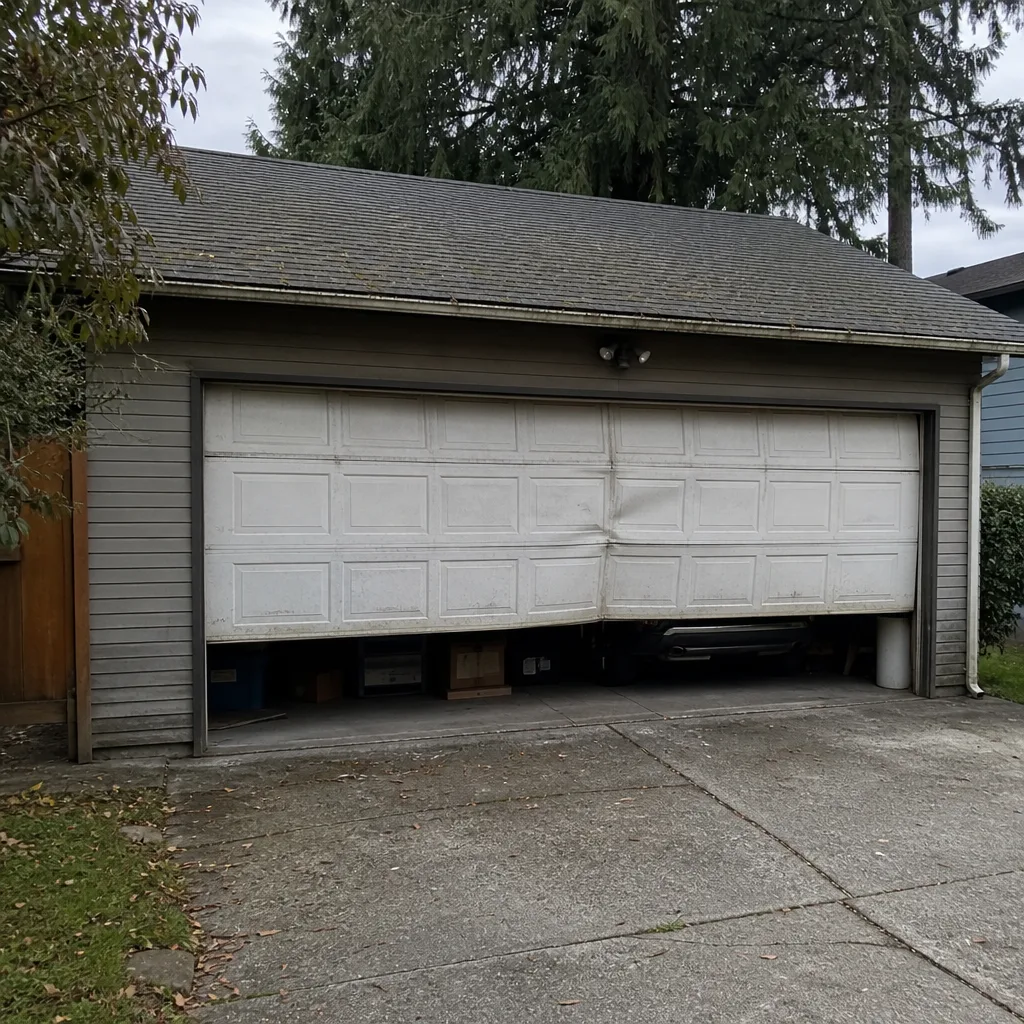
See the difference
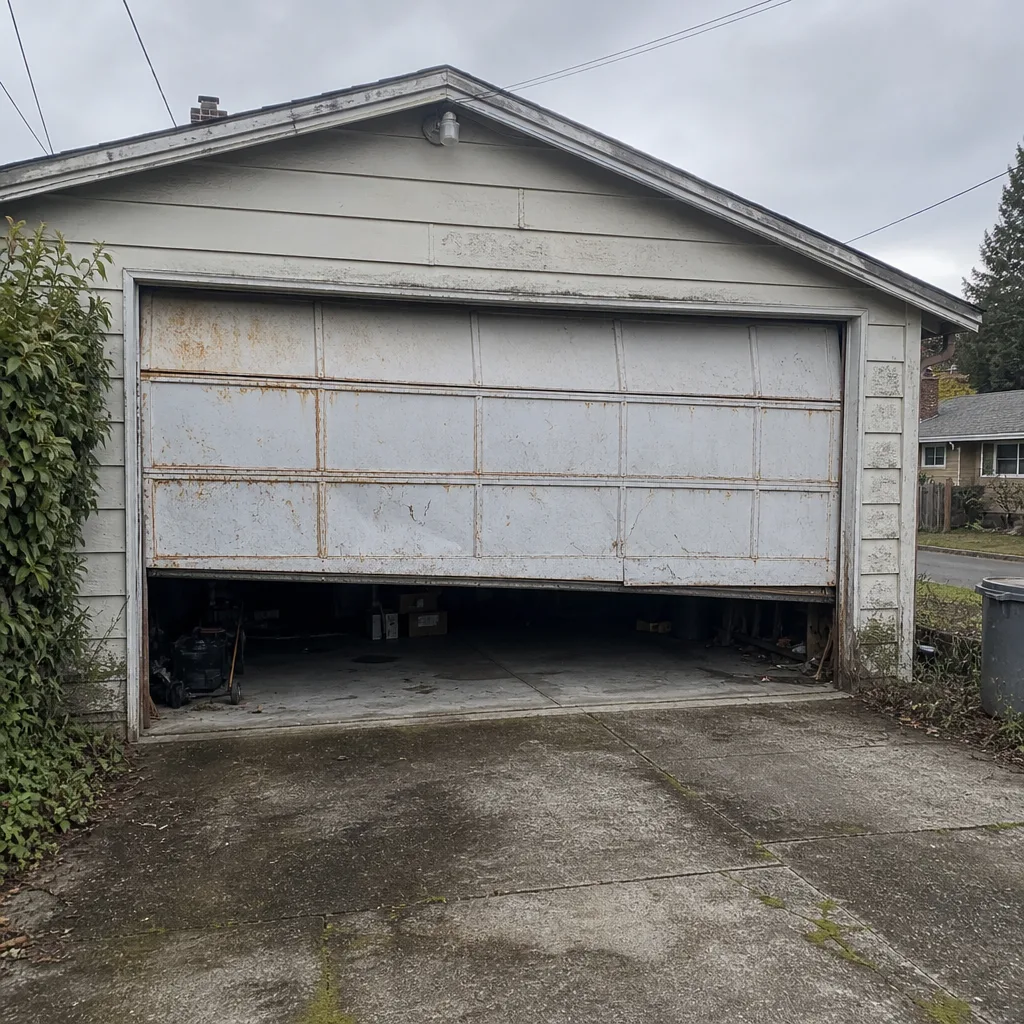 Before
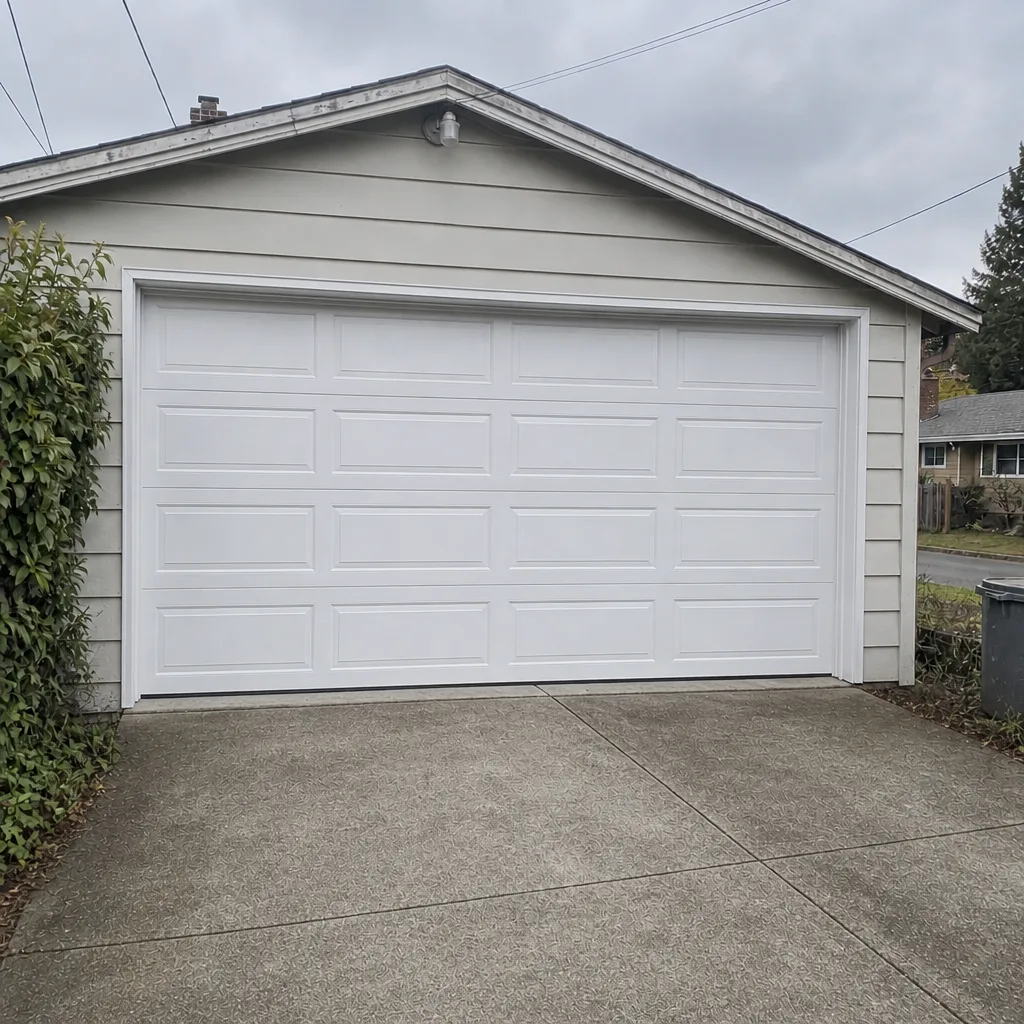 After
 Before
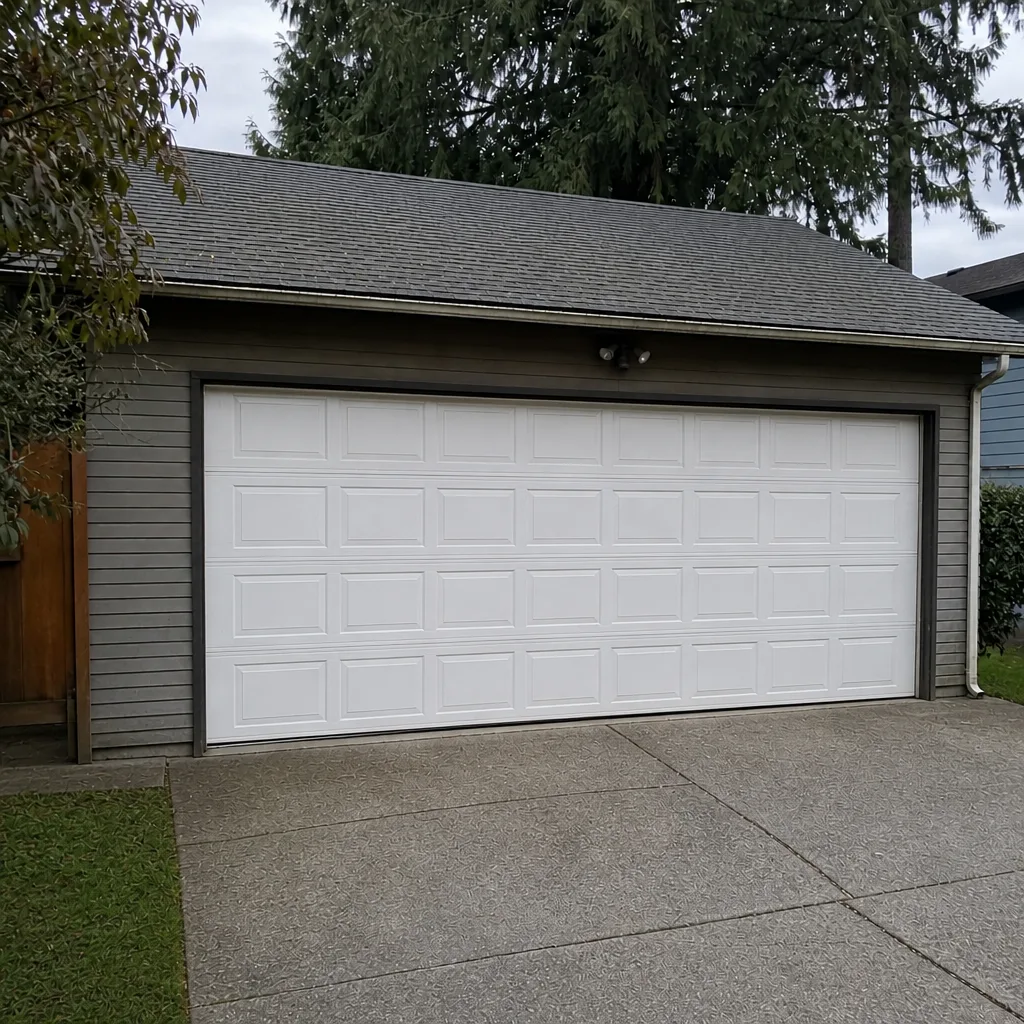 After
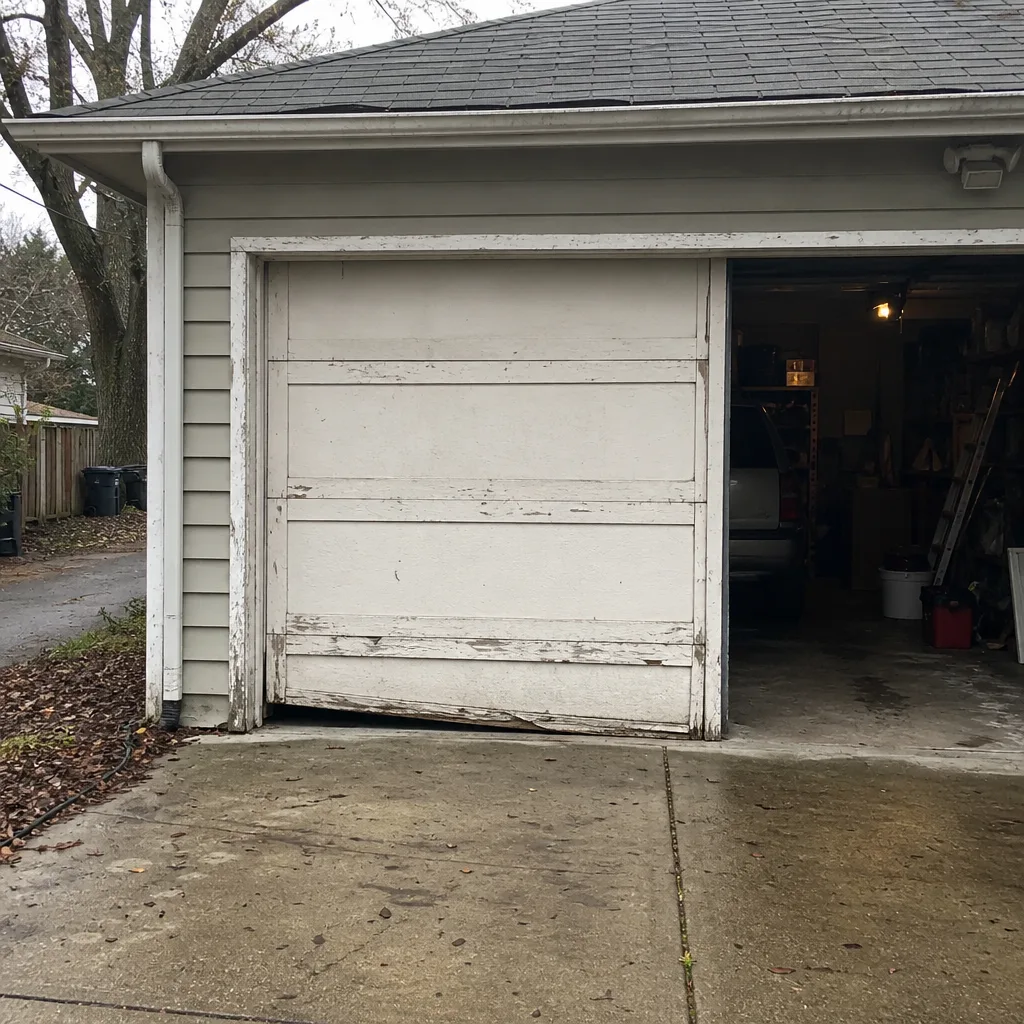 Before
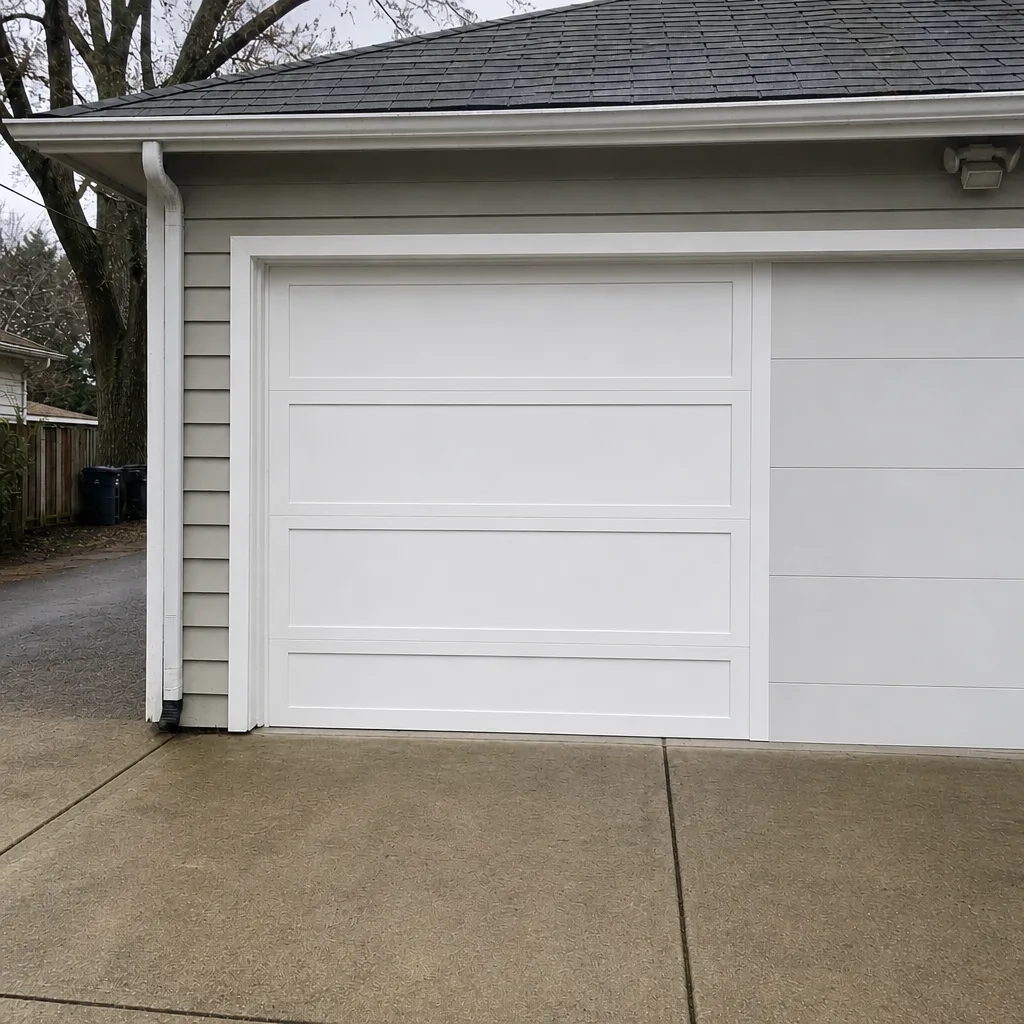 After
Frequently Asked Questions
Most garage door repairs in Green Lake run roughly $150 to $400 depending on the part that failed and the door type, and a spring repair is at the higher end because of the labor and the safety work involved. The written estimate you get before any work starts sets the final price. Call (866) 429-4392 for an exact quote; estimates are free.
For repair calls, same-day service is often available, and our fast dispatch runs from 7am to 7pm. For a replacement door or new installation, the job involves measuring and ordering, so it’s scheduled rather than same-day. Call (866) 429-4392 and we’ll let you know what we can do for your door.
Pull the opener’s red emergency release handle and lift the door by hand. If the door is extremely heavy or won’t lift at all, the springs or cables are the problem. If it lifts easily and smoothly, the opener is the culprit. A broken torsion spring usually announces itself with a loud bang. Call (866) 429-4392 if you’re not sure which it is; we’ll diagnose it for you.
Yes. The independent local professionals we connect you with are licensed and insured as their state requires, and they know their way around every major brand. Call (866) 429-4392 and we’ll get a qualified technician out to look at your door.
No. We quote the price and agree it with you before any work starts, and that estimate is what you pay for the agreed work. If we find something else once we’re on site, we’ll explain it and get your approval first. Call (866) 429-4392 for a free estimate.
We work on doors and openers from LiftMaster, Chamberlain, Genie, Clopay, Amarr, Wayne Dalton, Craftsman, and Raynor. If your door is from one of those brands, we’ve got the parts and the know-how for it; no door gets turned away because of brand mismatch. Call (866) 429-4392 and tell us what you’ve got.
The Bottom Line
Most garage door problems come down to five systems, and figuring out which one is misbehaving is the fastest route to a working door again. Sensor alignment, limit adjustments, and lubrication are safe for you to handle. Springs, cables, and bottom brackets are not, and forcing a resisting door is the mistake that turns a small repair into a big one. In Green Lake’s wet climate, watch the bottom brackets and the wood sections for corrosion and swelling. When you’re in doubt, that doubt is the signal to call. You can reach us for Garage Door Repair Green Lake and we’ll tell you honestly whether you’re looking at a repair, a replacement, or a fix you can do yourself.
Give us a call at (866) 429-4392 for a free estimate. Garage doors are all we do, and we’re here to help you get yours back to working the way it should.
Written by the team at Garage Door Repair Green Lake.