Last updated November 21, 2026
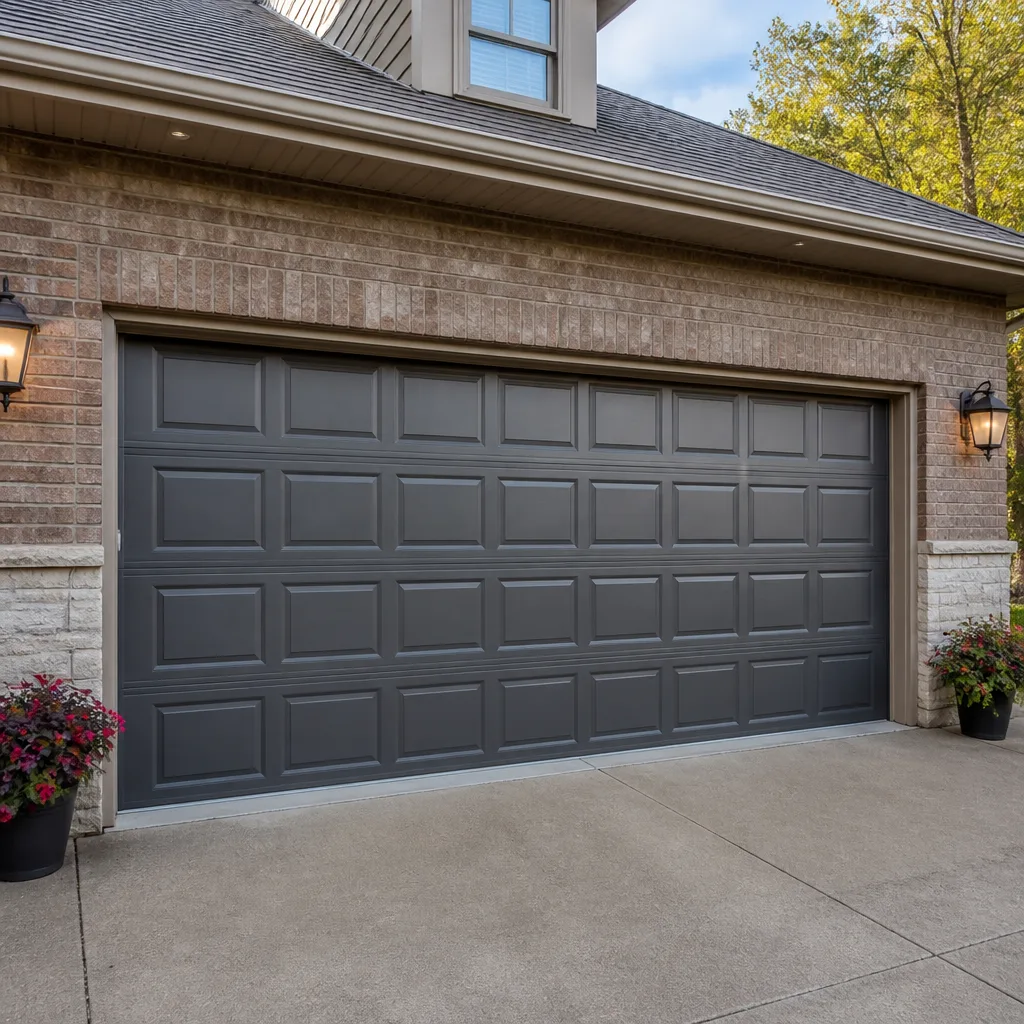 Raised-panel steel
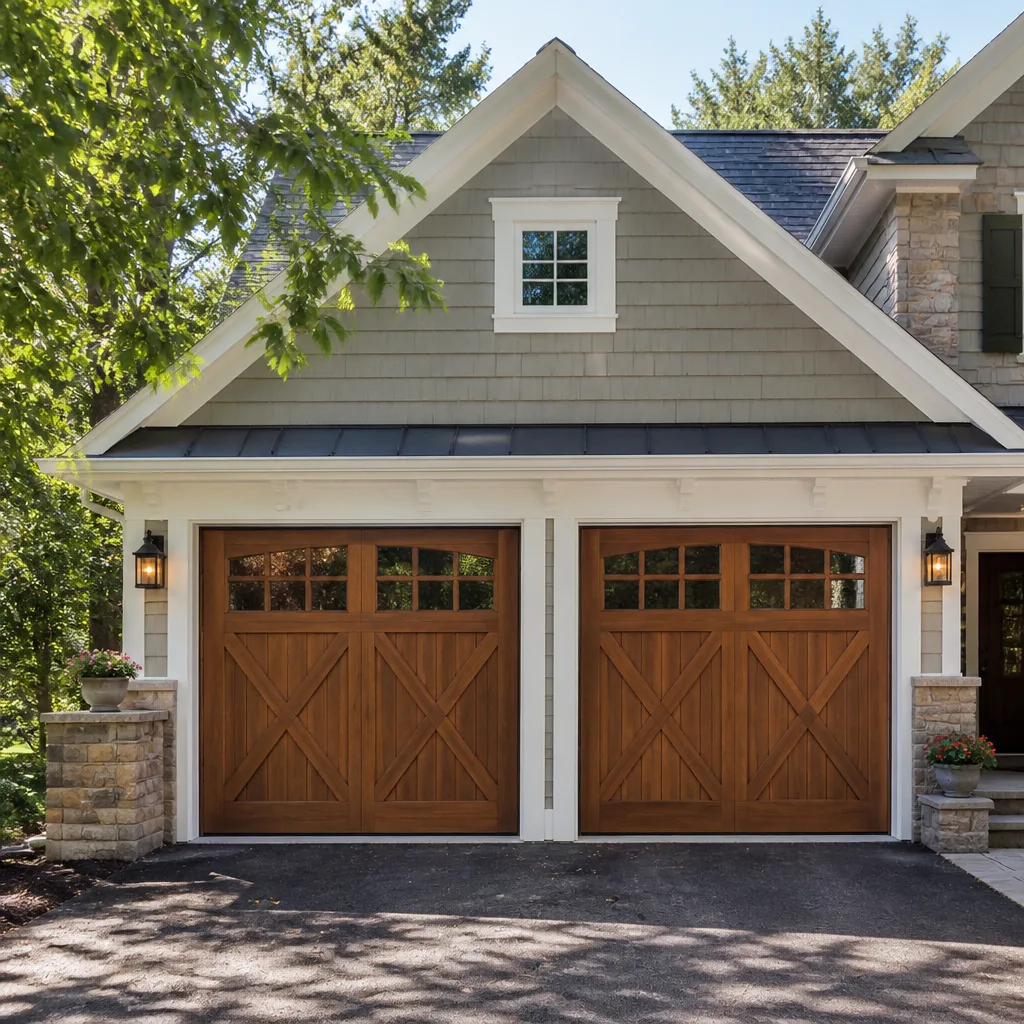 Carriage house
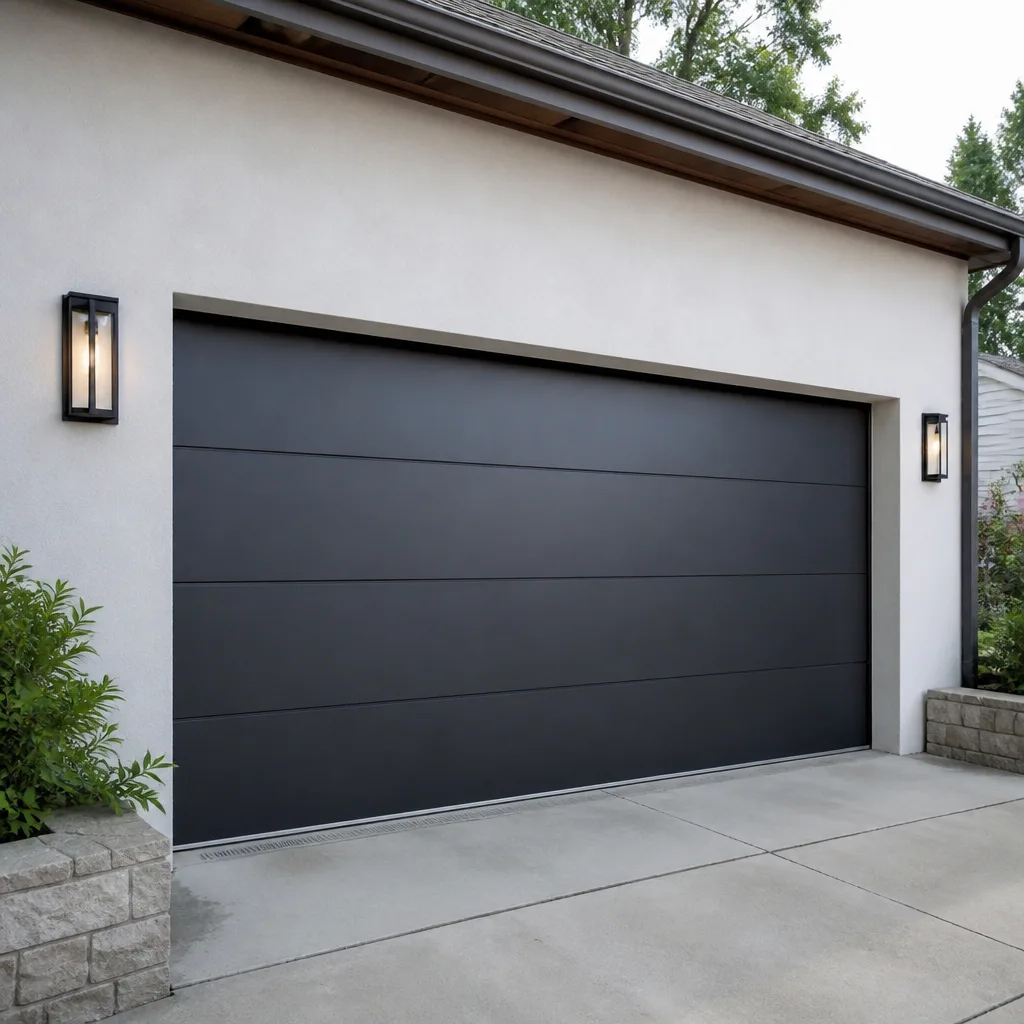 Modern flush
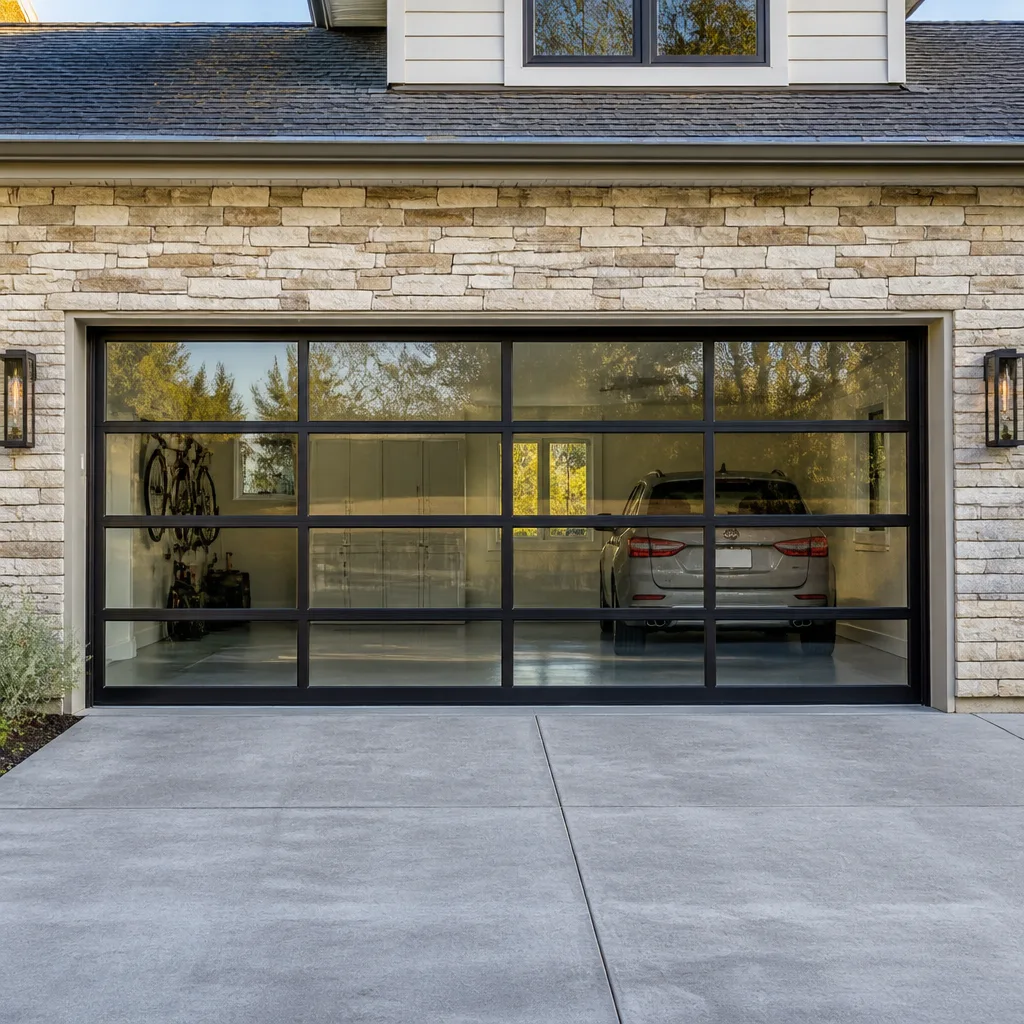 Full-view glass
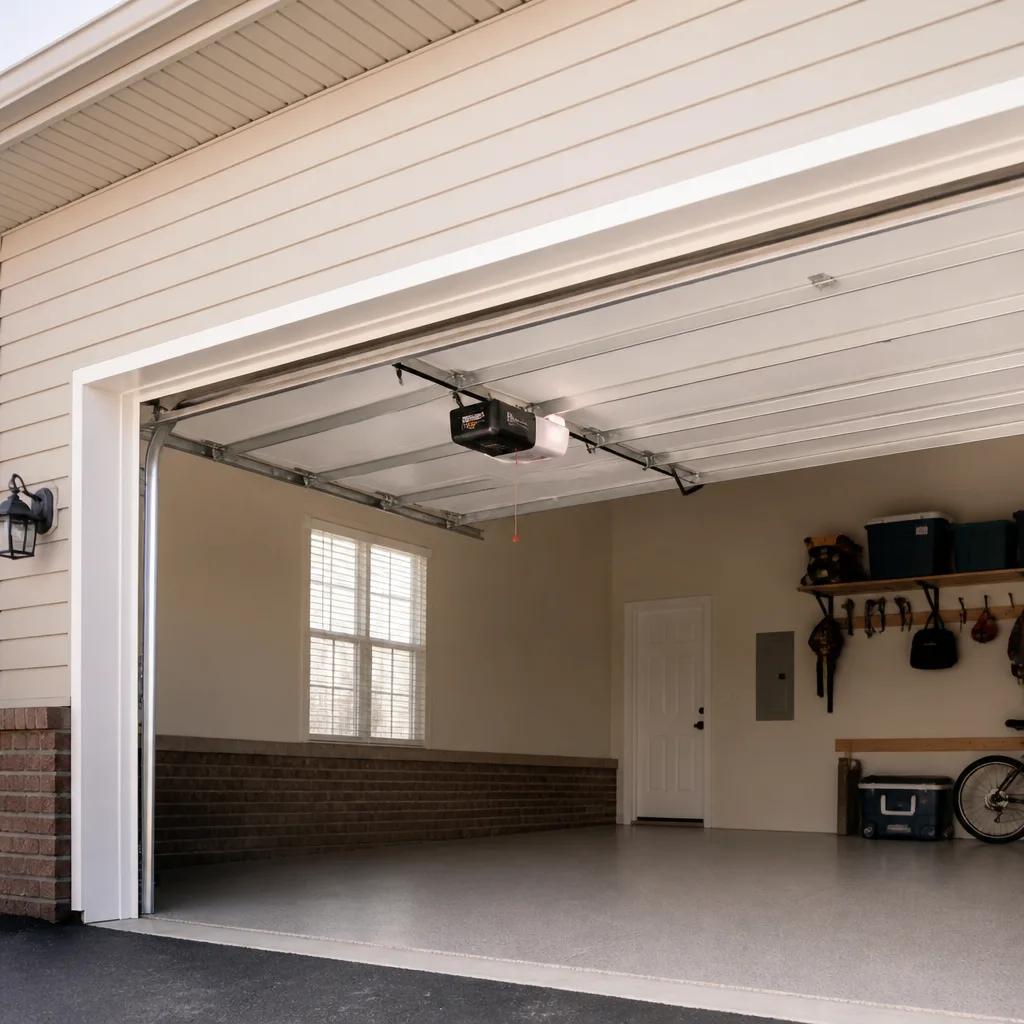 LiftMaster openers
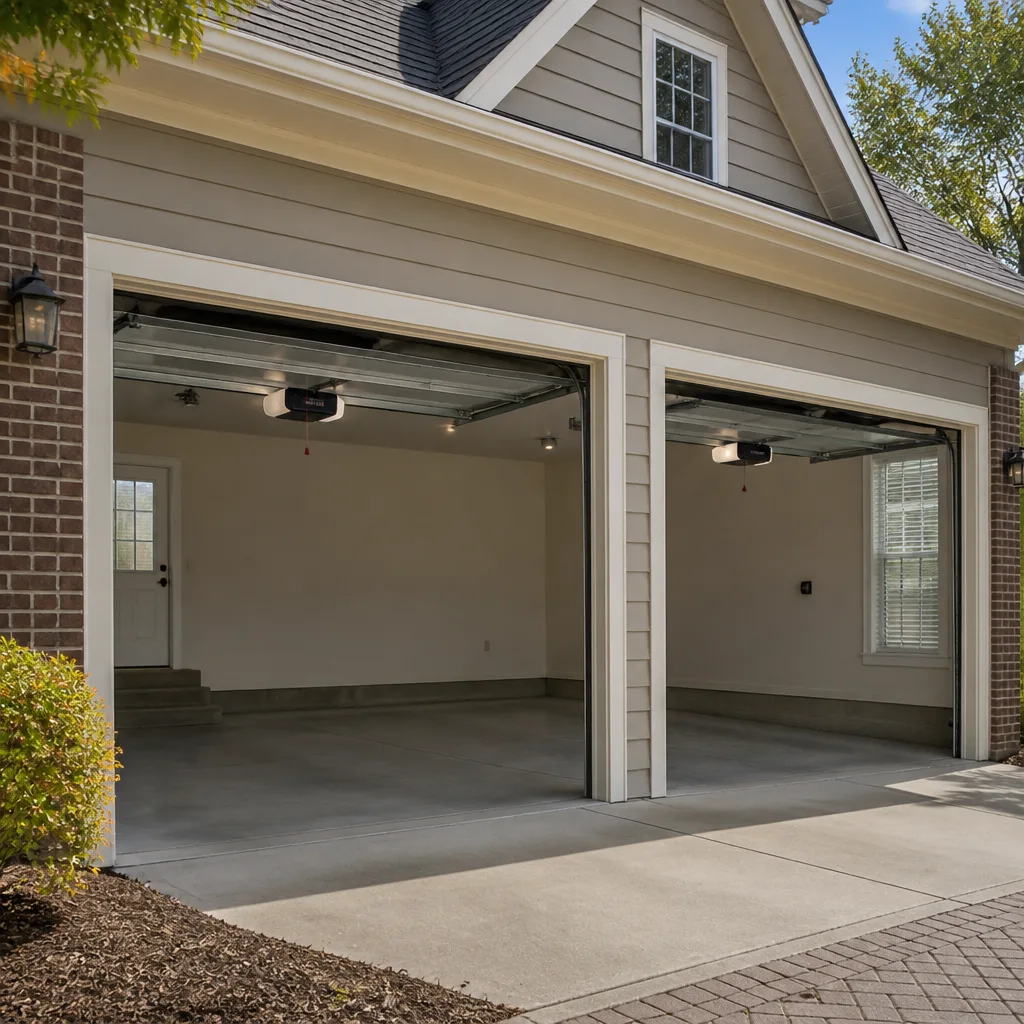 Chamberlain openers
Full 25-point door and opener safety check with every visit - springs, cables, rollers, tracks, and your LiftMaster or Chamberlain opener included
You get a price before we start. It does not change when the pro arrives.
Get your free estimateSeasonal Garage Door Care for Green Lake: Year-Round Homeowner’s Guide
Most garage door advice assumes four equal seasons and a hard freeze that breaks things. Green Lake doesn’t work that way. Here, doors rarely fail because January gets cold. They fail in October, after six months of rain has quietly swelled wooden panels, dulled unpainted hinges, and flattened the bottom seal against a wet slab until it no longer touches. The cold is rarely the culprit in this neighborhood; the moisture is. In this guide we’ll walk through how a Green Lake door actually ages across the year, which single task matters most in fall, what to adjust on your opener before the wet months, what to inspect in spring after the rain lets up, and how summer’s dry stretch does its own kind of damage. You’ll leave with a month-by-month calendar built for the real Pacific Northwest pattern, not a template written for Minnesota.
Quick Answer
In Green Lake, the highest-value maintenance task of the year is inspecting and sealing the bottom weather seal in October, before the sustained fall and winter rain sets in. After that, the priorities are adjusting opener force settings for cold, thickened grease in winter, checking for rust and sensor drift in spring, and protecting weatherstripping and paint from summer UV. A door that gets these four seasonal checks tends to run quietly and safely year after year, while one that gets none tends to fail in the wet season when you least want to deal with it.
Styles & brands we work with
- Raised-panel steel
- Carriage house
- Modern flush
- Full-view glass
- LiftMaster openers
- Chamberlain openers
Table of Contents
- Why Green Lake’s Seasons Break the Standard Advice
- Fall Prep: The October Task That Matters Most
- Winter: Cold, Wet, and Hard on Your Opener
- Spring Recovery: What the Wet Season Left Behind
- Summer’s Hidden Threat: UV and Dry Heat
- Month-by-Month Care Calendar for Green Lake
- Brand-by-Brand Seasonal Notes
- Common Mistakes to Avoid
- When to Call a Professional
- Frequently Asked Questions
Why Green Lake’s Seasons Break the Standard Advice
The generic garage door maintenance article assumes your enemy is temperature. It tells you to winterize, to watch for freezing, to brace for snow load. That advice is written for places with a real freeze. Green Lake sits in a climate where the dominant stress is moisture over many months, punctuated by a genuinely dry late-summer stretch. The temperature swing is modest; the wet-dry swing is dramatic. That changes what breaks and when.
Think about what sustained rain does to a door system. The bottom seal, the rubber or vinyl strip along the bottom of the lowest panel, sits inches from a wet driveway slab for weeks at a time. It absorbs, compresses, and slowly loses its spring. Wooden panels, if you have them, take on moisture across their width and can swell enough to bind in the tracks. Bare or poorly painted steel hardware develops surface rust where water sits. Springs and cables are less affected by moisture directly, but the frame and tracks they’re mounted to can shift subtly as saturated wood or soil moves. Meanwhile the opener, tucked up on the ceiling, works in an environment that’s damp and cool for half the year.
Then summer arrives and the whole system dries out fast. Rubber weatherstripping that spent months damp now bakes under UV. Paint that hid small rust spots in the wet season shows its fade. Gaps that sealed tight when wood was swollen open up when it dries. This is why a Green Lake door has a genuinely different failure calendar than a door in a dry climate, and why a four-seasons-equal guide misses the point. We see doors across the neighborhood, from the older homes near the Green Lake Community Center out toward the surrounding residential blocks, and the pattern holds: the wet season is when problems get seeded, and the dry season is when they surface.
Fall Prep: The October Task That Matters Most
If you do one thing to your garage door this year, inspect and, if needed, replace the bottom weather seal in October. That single task protects more of the door system than any other in Green Lake’s climate. The bottom seal is the rubber or vinyl lip that runs the full width of the lowest panel and presses against the driveway when the door closes. Its job is to keep water, wind, and pests out, and to give the door a soft landing so the panels don’t crack against concrete.
By the time October arrives, that seal has been sitting against a wet slab through the first rains of the season. It’s the first component to give out, and it’s the one whose failure cascades. A worn seal lets water under the door, where it reaches the bottom panel, the hinges, and the bottom bracket. That’s where rot and rust start. It also lets cold air and drafts into the garage, which raises heating costs if the space is attached and insulated.
Here’s how to check it without getting in over your head:
- Close the door and look for light. Stand inside the garage with the door down and the lights off. Any daylight under the bottom edge means the seal isn’t touching the floor.
- Look for cracks, flattening, or gaps. A healthy seal has some spring to it, like a sponge. A dead one looks compressed, cracked, or torn.
- Lift the bottom edge gently and look underneath. Debris trapped behind the seal holds moisture against the door.
- Check the sides and top while you’re at it. Side and top weatherstripping often fail around the same time as the bottom seal.
While you’re in fall-prep mode, this is also the right time for the general inspections we cover in our garage door repair overview. Lubricate hinges and rollers with a silicone or lithium-based product, not a heavy grease that will thicken when it gets cold. Test the door’s balance by pulling the opener release and lifting it halfway by hand; it should stay put. And clear leaves and debris from the tracks and from the area around the door, because wet debris against the bottom rail holds moisture.
Winter: Cold, Wet, and Hard on Your Opener
Winter in Green Lake is cool and wet rather than brutally cold, but that’s enough to change how your opener behaves. The grease inside the opener’s gearbox and along the drive screw or rail thickens as temperatures drop. Thicker grease means more resistance, which means the opener has to work harder to move the same door. If your opener is set right at the edge of its force limit, the added resistance of cold-thickened grease can push it over, and you get a door that opens halfway and reverses, or struggles and stops.
Modern openers have force settings you can adjust. On a LiftMaster or Chamberlain unit, this is usually done with the up and down force dials or through the opener’s adjustment menu, depending on the model. On a Genie, the force adjustment is often a pair of dials on the back panel. The goal is to give the door just enough force to complete its travel smoothly without slamming or straining. Too little and it reverses; too much and it won’t reverse on an obstruction, which is a safety problem.
Here’s the winter checklist that keeps an opener reliable:
- Test the safety reversal. Place a piece of wood or a brick on the floor in the door’s path and close the door. It should reverse on contact. This test matters more in winter because ice and snow can create phantom obstructions.
- Check the photo-eye sensors. Low sun angles in winter and dirty lenses are a common cause of “door won’t close” complaints. Wipe the lenses and make sure the beam isn’t blocked by anything.
- Listen for strain. A grinding, groaning, or labored sound when the door moves is a sign the opener is working too hard, often from cold grease or a failing roller.
- Keep the threshold clear. Water that pools at the bottom of the door can freeze into a lip that the seal catches on.
If your opener is older, a legacy Craftsman or a builder-grade unit, cold-weather strain is often the first sign it’s nearing the end of its service life. If adjustments don’t help, our garage door opener repair service covers both modern Wi-Fi and smart-home openers and the older systems that are still common in Green Lake homes.
Spring Recovery: What the Wet Season Left Behind
When the rain eases in spring, walk around your door and look at what six months of moisture actually did. This is the recovery inspection, and it’s where you catch the small problems before summer heat makes them worse.
Rust formation. Look at the hinges, the bottom bracket, the track where it meets the floor, and any bare metal on the door frame. Surface rust is common after a wet season, especially on older steel doors and on hardware that’s lost its paint or coating. Left alone, rust pits the metal and weakens the hardware. A light touch-up with rust-inhibiting paint on bare spots slows it down.
Panel warping. Wooden and some composite doors absorb moisture across the wet season. If a panel has warped, even slightly, the door can bind in its tracks or leave gaps at the edges. Run your hand along the seams and look down the length of the door from the side; a straight door should look straight.
Sensor drift. The photo-eye sensors at the bottom of the tracks are aligned to a fine tolerance. Over a wet season, the mounting brackets can shift slightly from moisture and temperature cycling, and the beam goes out of alignment. If the door closes some of the time and not others, misaligned sensors are a likely cause.
Track and roller condition. Inspect the tracks for dents or bends, and check the rollers for flat spots and worn bearings. Wet-season grit in the tracks wears rollers faster than dry-season use.
Our experience across eight major brands, including Clopay and Amarr doors that are common in Green Lake homes, means we can look at a spring recovery inspection and tell you which issues are cosmetic and which ones point toward a garage door installation being the smarter move down the road. Repair or replace, we’ll tell you which one actually makes sense.
Summer’s Hidden Threat: UV and Dry Heat
Green Lake’s summer is dry and sunny, often for weeks on end, and that dry window does its own kind of damage. The two things to watch are UV degradation on weatherstripping and paint fade on steel doors.
Rubber and vinyl weatherstripping, top, sides, and bottom, takes a UV beating during a dry summer. The material dries out, loses its elasticity, and starts to crack. A strip that felt supple in spring can be brittle by late August. Once it’s brittle, it fails fast in the first fall rains, which is exactly why the October bottom-seal inspection matters: summer is what sets it up to fail. Check the weatherstripping at the end of the dry stretch and replace anything that’s cracked or hard.
Paint fade is the slower, more visible summer issue on steel doors. A door that faces the afternoon sun fades faster on that side. Faded paint isn’t just cosmetic; it also signals that the paint film is thinning and less able to protect the steel underneath. If you notice color fade or chalky residue on your door, a fresh coat of exterior paint extends the door’s life. Match the original color, or take the opportunity to repaint to suit the house.
Summer is also the ideal time for the bigger maintenance items, because the door is dry and the weather is stable. This is when we recommend checking the balance of the door, tightening all the hardware, and doing a full inspection of the springs and cables. And if you’ve been thinking about replacing the door, summer’s dry window is the right season to get it measured and scheduled. Our Garage Door Repair Green Lake page has the full picture of every service we handle, from seasonal maintenance to full replacement.
Month-by-Month Care Calendar for Green Lake
Here’s a maintenance calendar built for the real Green Lake pattern: wet from fall through early spring, dry in late summer. Adjust the timing to your specific door and how it’s aging, but the sequence holds.
- September. Inspect the bottom weather seal before the heavy rain sets in. Clear leaves and debris from tracks and around the bottom rail. Lubricate hinges and rollers with a silicone or lithium product.
- October. This is the priority month. Replace the bottom seal if it’s worn, cracked, or letting light in. Check side and top weatherstripping. Test the safety reversal. Inspect bare metal for rust and touch it up with rust-inhibiting paint.
- November. Adjust opener force settings for the colder, damper months. Test the photo-eye sensors. Listen for strain in the opener. Make sure the threshold area drains or at least doesn’t pool.
- December through February. Monthly quick checks: listen to the door opening and closing, test the reversal, wipe the sensor lenses, and look for ice or standing water at the threshold.
- March. Spring recovery inspection. Look for rust, panel warping, sensor drift, and worn rollers. Tighten hardware and re-check the door’s balance.
- April. Clean and relubricate hinges and rollers after the wet season. Check the weatherstripping for brittleness before summer.
- May and June. Plan any bigger work for the dry window. A spring or opener that’s been struggling all winter is best addressed now, before the door gets heavy seasonal use.
- July and August. Check weatherstripping for UV damage and inspect paint for fade or chalking. Recheck door balance and hardware. If replacement is on your mind, get it measured now.
Brand-by-Brand Seasonal Notes
Different brands and door materials have their own seasonal quirks. Here’s how the major names tend to behave in the Green Lake climate. We work on all of them, so no door gets turned away because of brand incompatibility.
- Clopay and Amarr steel doors. Watch for paint fade and rust at the bottom edges in the wet season. Steel doors are low-maintenance overall, but the bottom panel and the area around the hinges are where moisture does its work.
- LiftMaster and Chamberlain openers. These are common in Green Lake, and the smart-home models often have force and travel adjustments in a menu rather than dials. Cold-season strain shows up as force-limit errors or a door that reverses partway.
- Genie openers. Force dials on the back panel make adjustment straightforward, but older units need the drive screw or rail checked for cold-thickened grease.
- Craftsman and builder-grade units. Legacy openers are sensitive to cold. If force adjustment doesn’t fix the strain, the gearbox or drive components may be worn.
- Wayne Dalton and Raynor doors. These often have specific seal and panel profiles, which is why having the right part on hand matters. Our garage door parts supply service means parts in hand, not on order, so a worn seal or broken hinge doesn’t turn into a week of waiting.
If you’re not sure which brand or model you have, look for the label on the door or on the opener head. Once you know, you’ll know which seasonal issues to prioritize.
Common Mistakes to Avoid
- Skipping the October bottom-seal check. This is the single highest-value task in Green Lake, and it’s the easiest to forget because the seal is out of sight under the door. By the time you notice water getting in, the bottom panel and bracket are already taking on damage.
- Using heavy grease on hinges and rollers. Thick grease turns stiff in the cold and can actually make the door harder to open. In a wet-then-cold climate, a silicone or lithium lubricant works better because it doesn’t thicken the same way.
- Over-tightening the opener’s force setting. Homeowners sometimes crank up force when a door struggles, but that disables the safety reversal. Fix the underlying resistance instead of overpowering it.
- Ignoring summer weatherstripping damage. A dry July and August bakes the rubber, and a seal that’s brittle in August is going to fail in October. Check it before the rain.
- Assuming door problems are temperature problems. In Green Lake, most seasonal failures trace back to moisture, not cold. Look for swelling, rust, and seal compression first.
- DIY spring work. Torsion and extension springs are under extreme tension, and they’re the most dangerous part of the whole system. Never try to adjust or replace them yourself. Call a professional.
- Putting off a struggling opener until it fails. A grinding or straining opener in November is telling you it’s working too hard. Getting an assessment in winter avoids a failure in the middle of a storm.
When to Call a Professional
Most seasonal care is homeowner work: inspecting seals, wiping sensors, relubricating hinges, checking for rust. But some situations call for a trained technician. Call us when a spring has snapped or the door feels unusually heavy, when the opener reverses or stops partway and adjusting force doesn’t fix it, when the door is visibly out of balance, when a panel is warped enough to bind in the tracks, or when you’re not sure whether the door is worth repairing versus replacing. Our technicians have up to 13 years of experience, and we work on LiftMaster, Chamberlain, Genie, Clopay, Amarr, Wayne Dalton, Craftsman, and Raynor products. Garage Door Repair Green Lake offers free estimates in Green Lake. Call (866) 429-4392 to schedule one.
Frequently Asked Questions
Inspecting and replacing the bottom weather seal in October is the most important task because it’s the point where moisture enters the system. A worn seal lets water reach the bottom panel, hinges, and bracket, which is where rot and rust begin. Check it before the heavy fall rain.
Cold weather can make an opener struggle because the grease inside thickens and adds resistance. The fix is usually adjusting the force setting and using the right lubricant on hinges and rollers. If adjustment doesn’t solve it, the opener may need repair.
No, not every year, but you should inspect it every season. In Green Lake, the combination of wet winters and dry summers ages weatherstripping faster than in a more stable climate. Replace it when it’s cracked, hard, or letting light through.
A single worn component, like a seal, roller, or spring, usually means repair. Structural problems like panel warping, track separation, or a door that’s out of balance after repeated fixes point toward replacement. We’ll give you an honest recommendation either way.
Yes for inspection, lubrication, and cleaning. No for spring, cable, and opener adjustments that involve tension or force settings. Springs and cables are dangerous and should always be handled by a trained professional.
Yes. The sustained fall and winter moisture plus the dry summer window means doors here fail from moisture-related issues in fall and winter and UV damage in summer, rather than from a hard freeze. That’s why a moisture-first approach to maintenance works better here.
The Bottom Line
Green Lake’s garage door seasons aren’t about temperature extremes; they’re about prolonged wet followed by a dry stretch. Protect the bottom seal before the fall rains, adjust the opener for cold-season strain, inspect for rust and sensor drift when spring arrives, and guard weatherstripping and paint against summer UV. Follow the month-by-month calendar, avoid the common mistakes, and call a professional for springs, cables, and anything that involves tension. Garage doors are all we do, and we’re happy to help. Call (866) 429-4392 for a free estimate.
Written by the team at Garage Door Repair Green Lake.
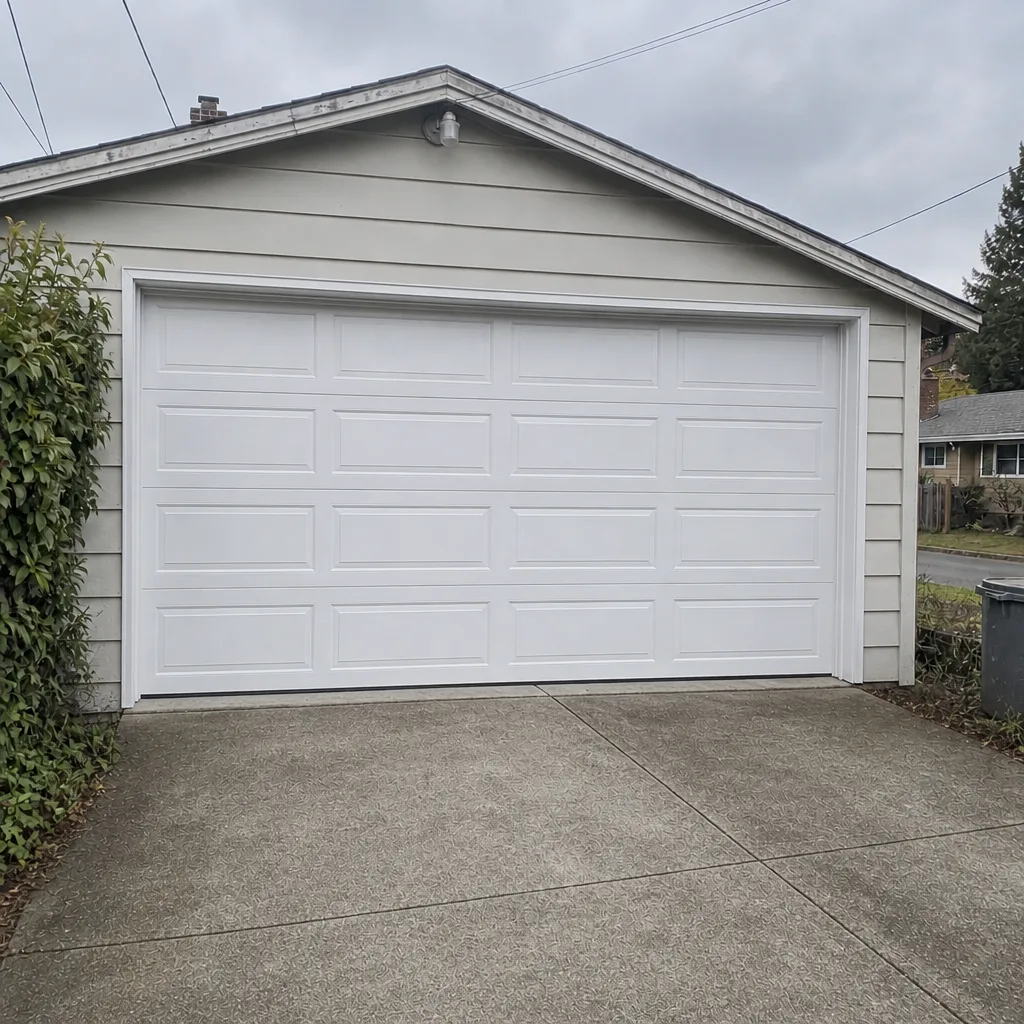
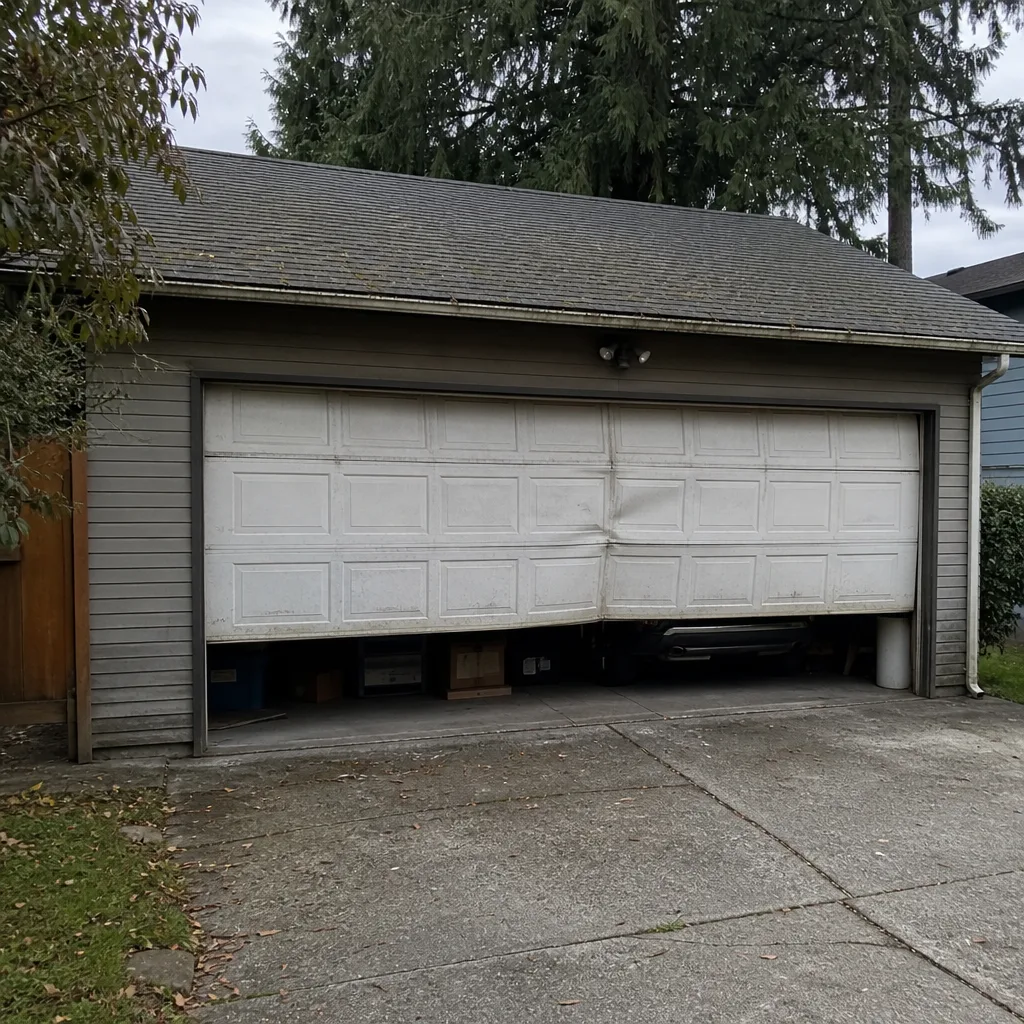
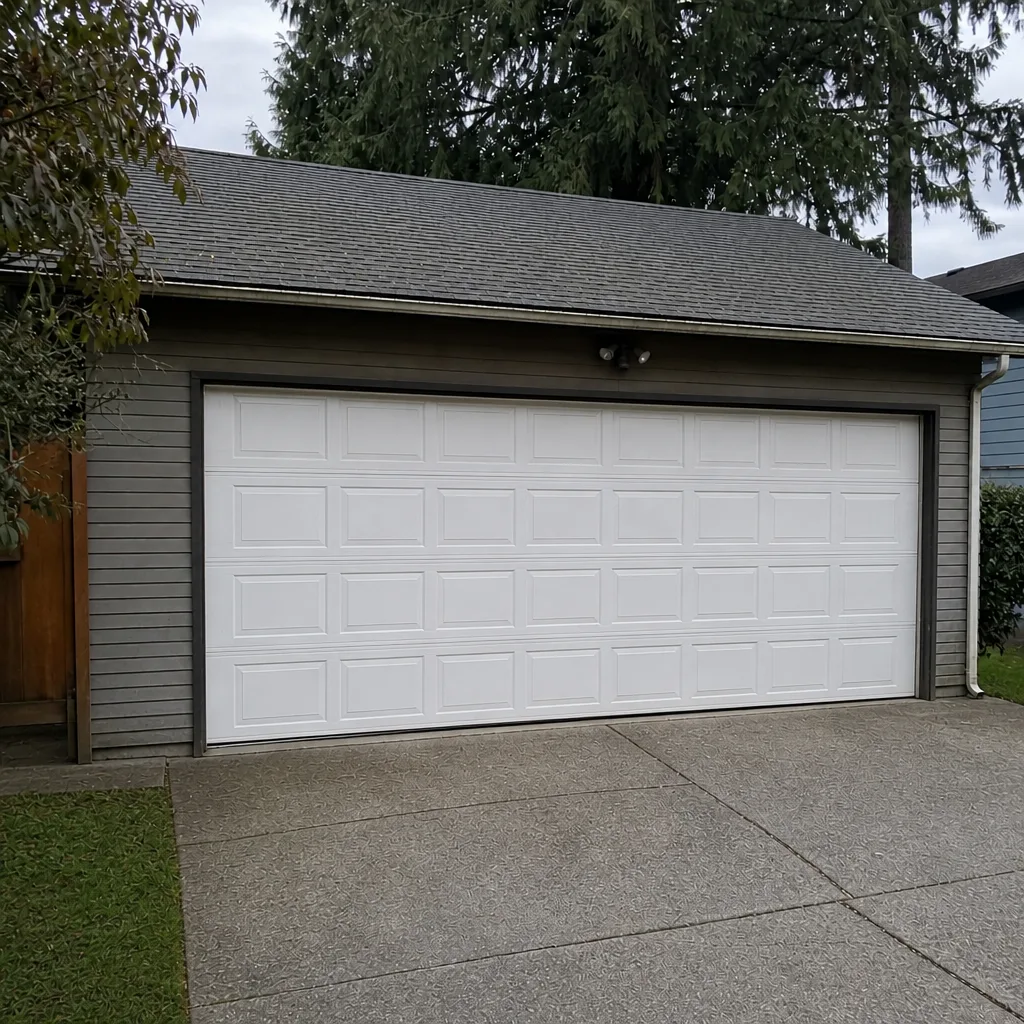
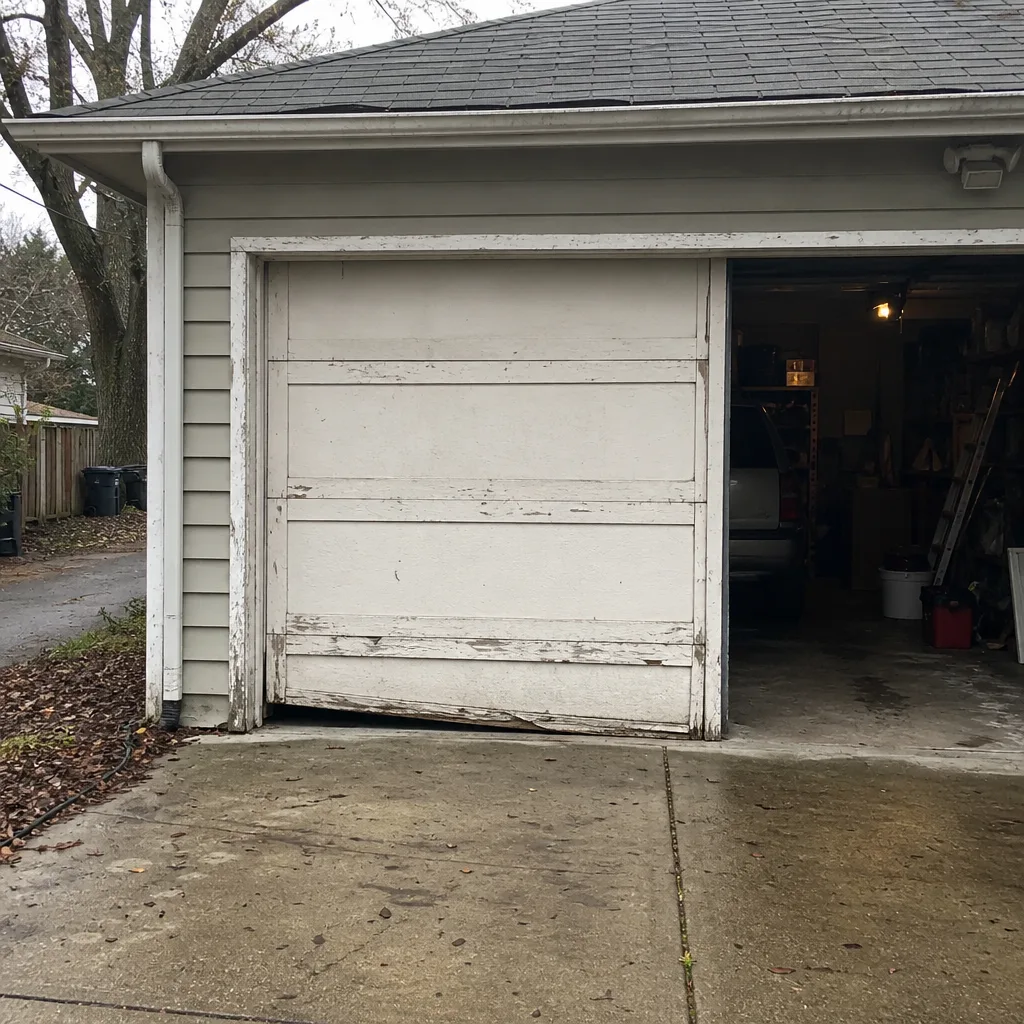
See the difference
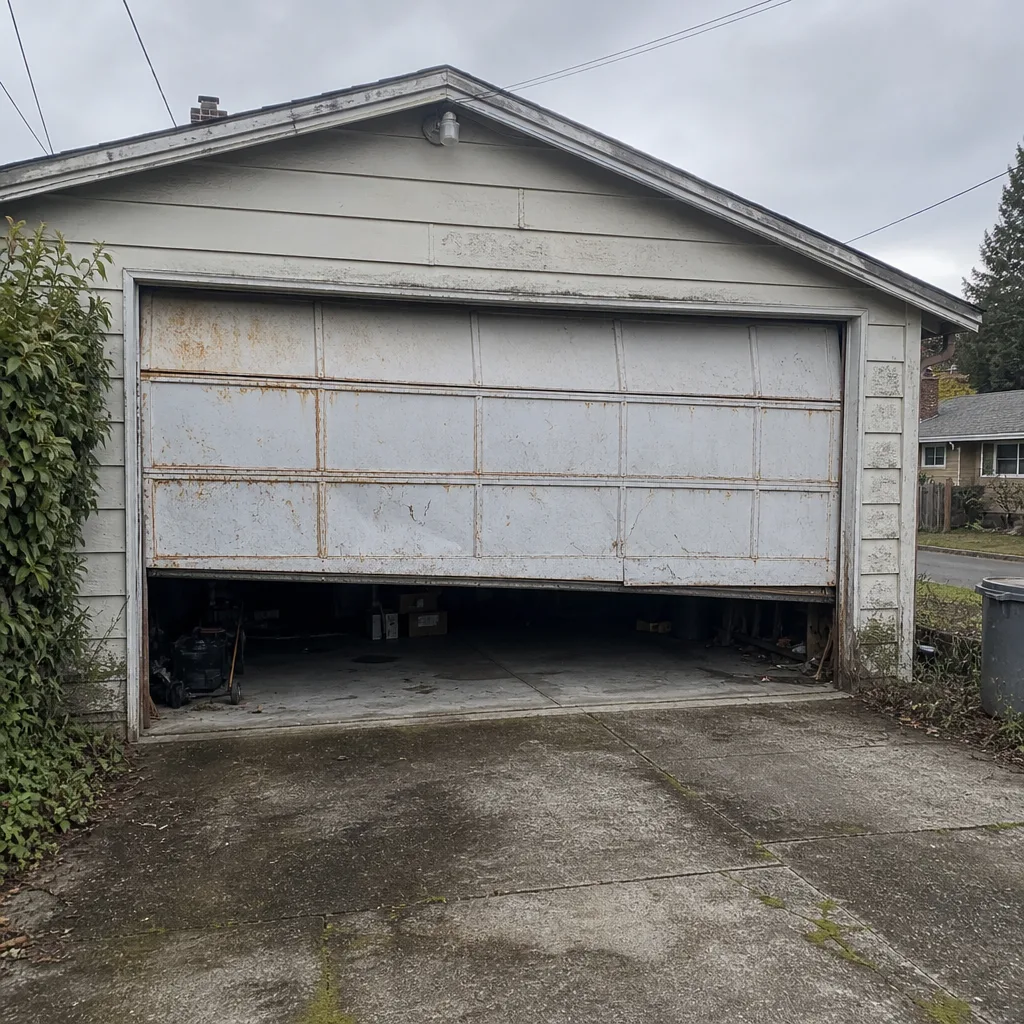 Before
 After
 Before
 After
 Before
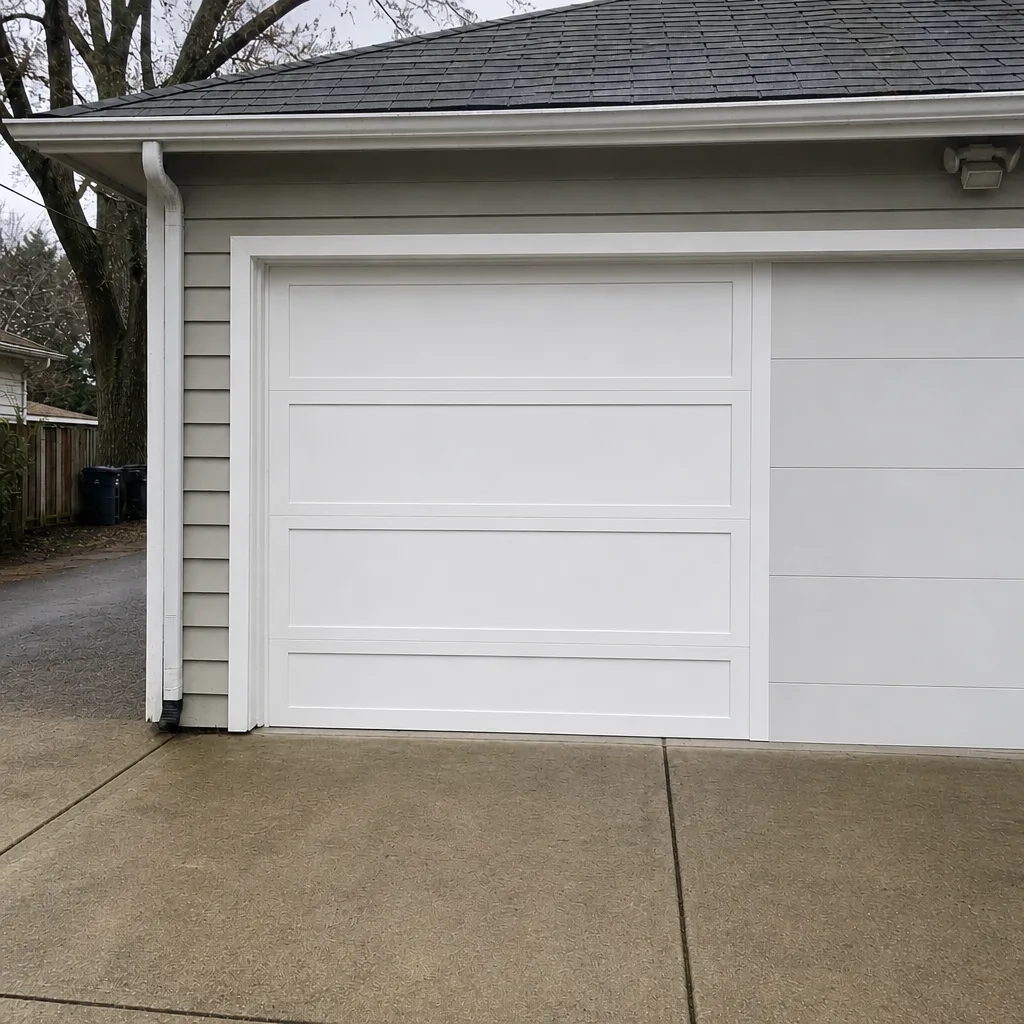 After