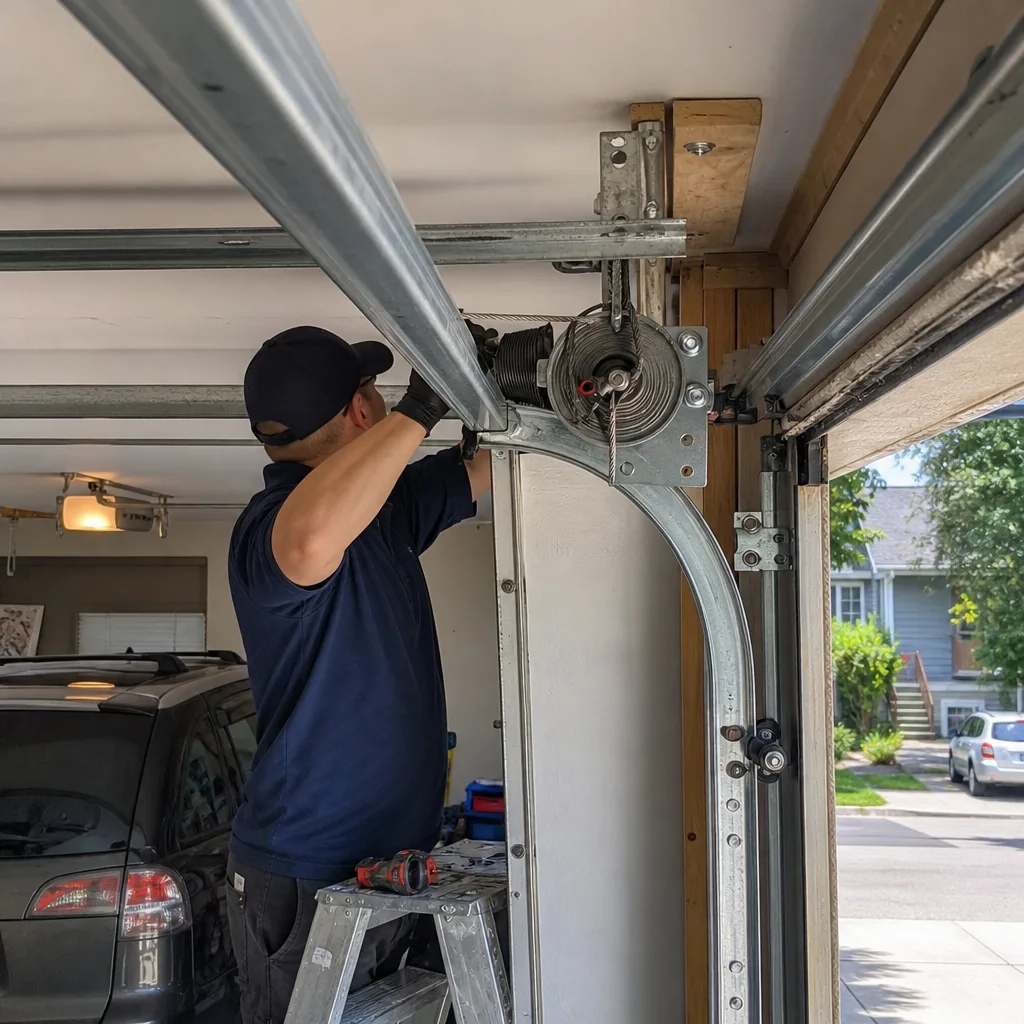
Last updated November 21, 2026
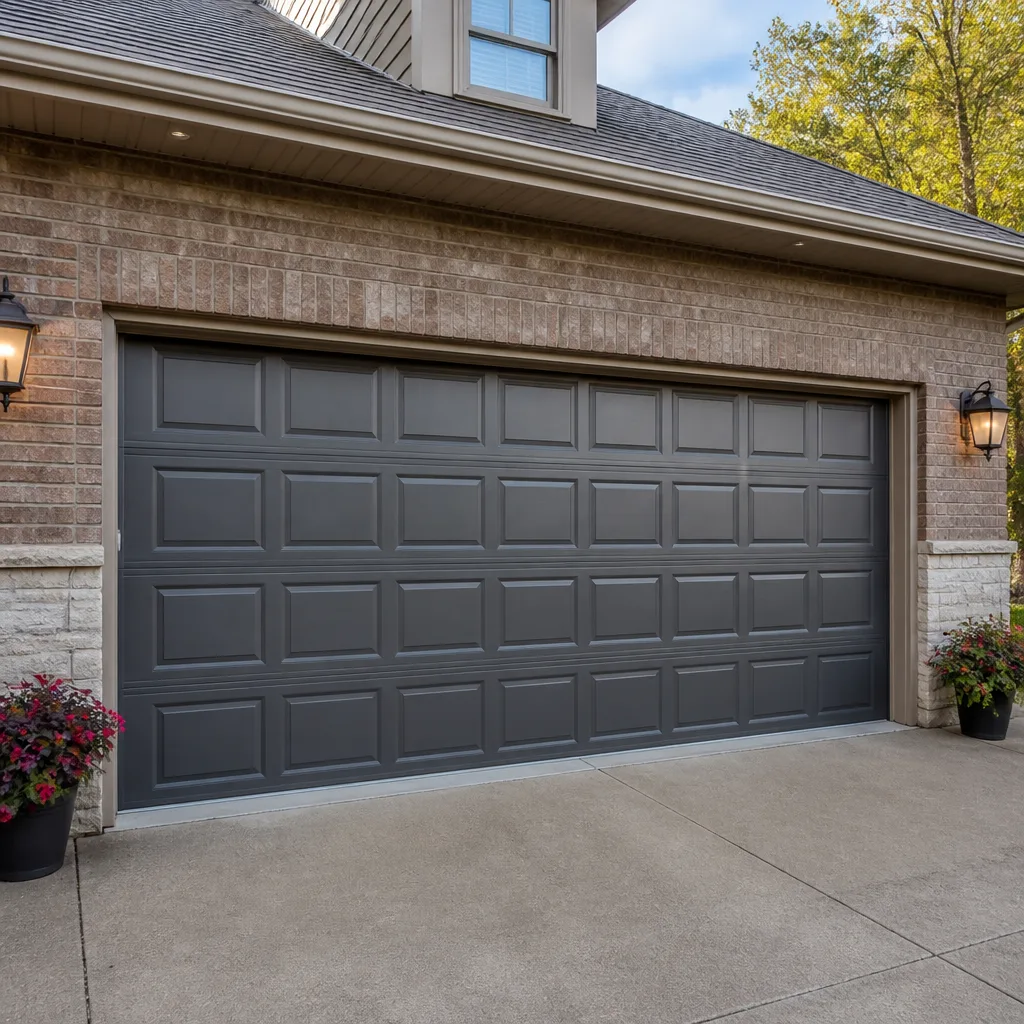 Raised-panel steel
 Carriage house
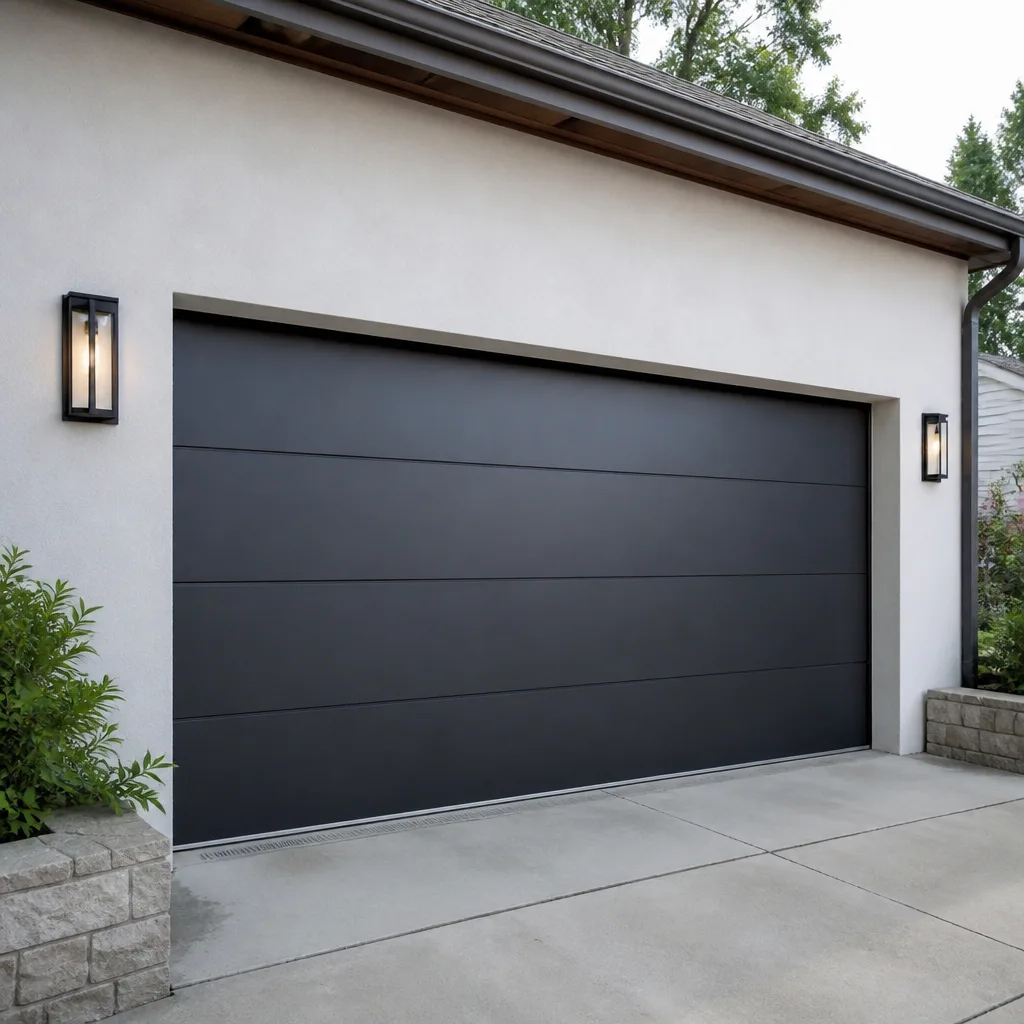 Modern flush
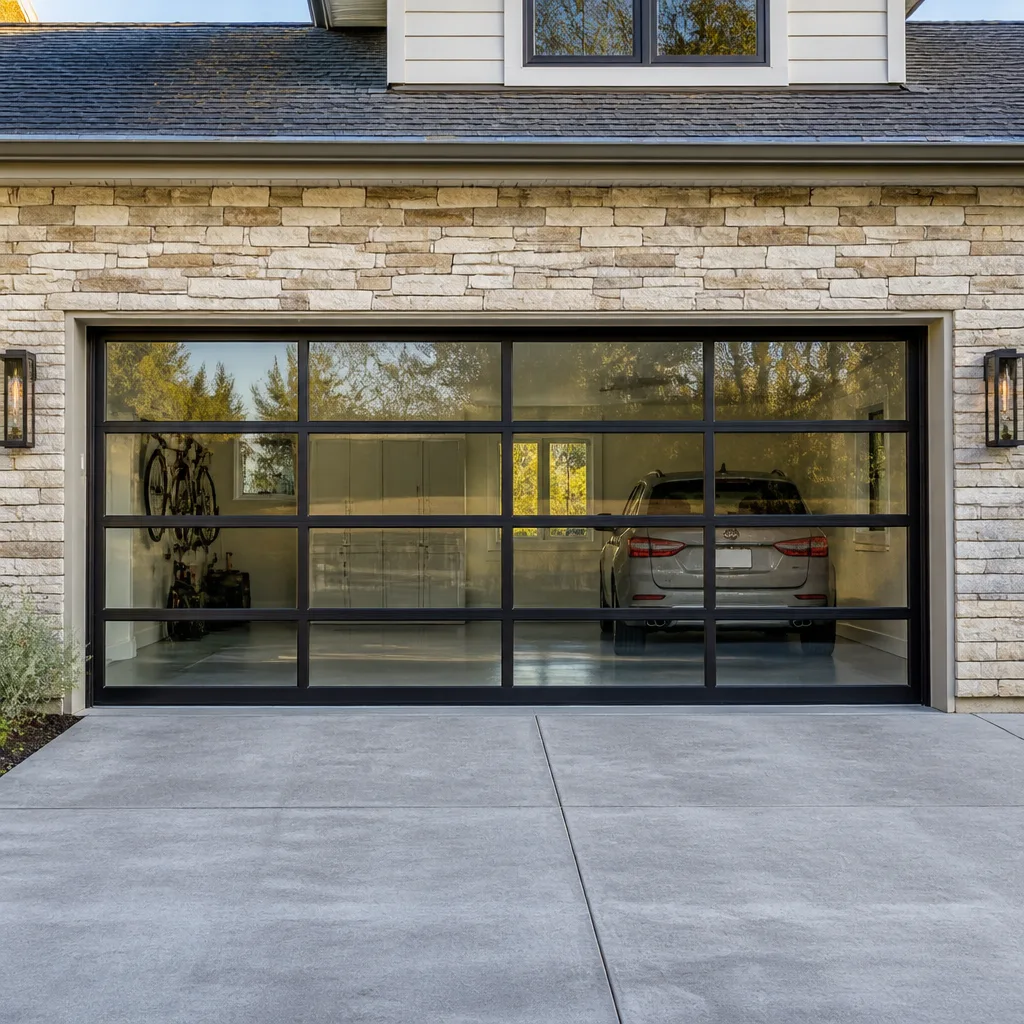 Full-view glass
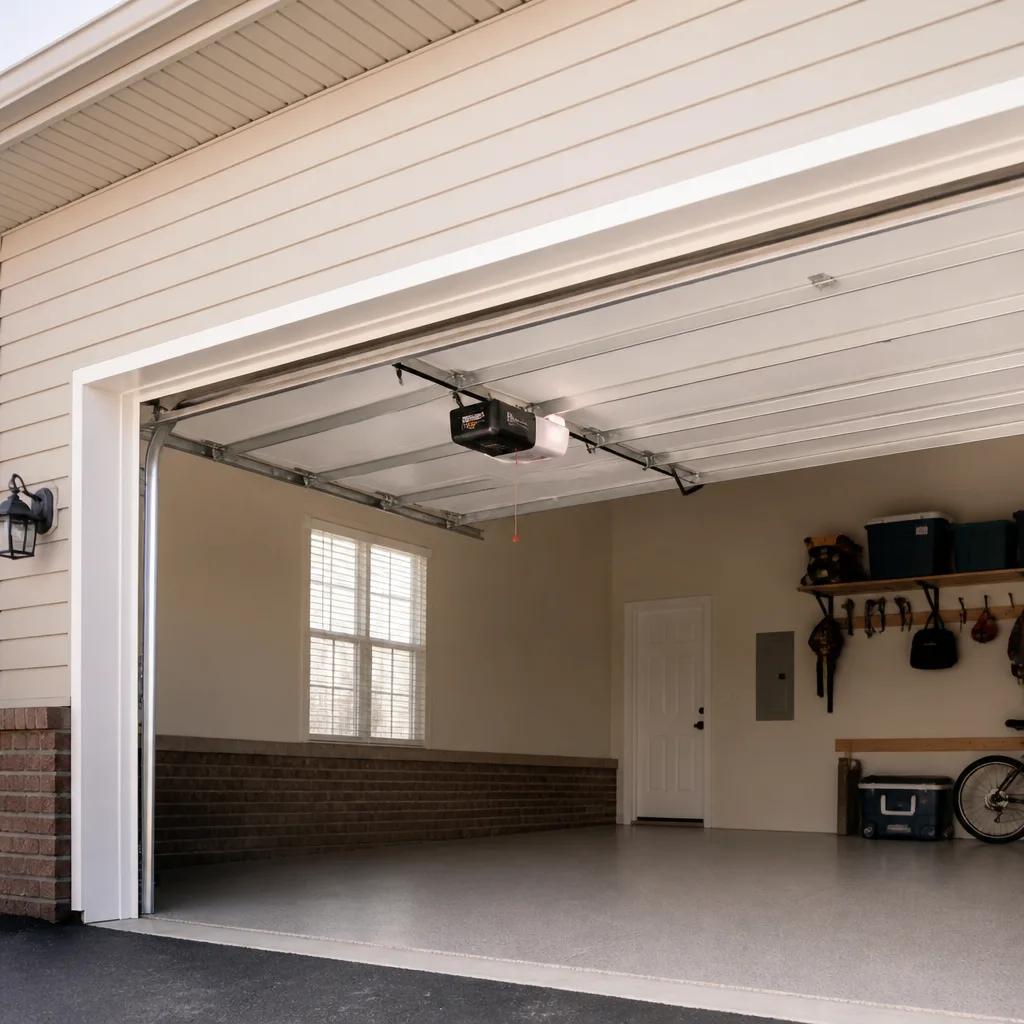 LiftMaster openers
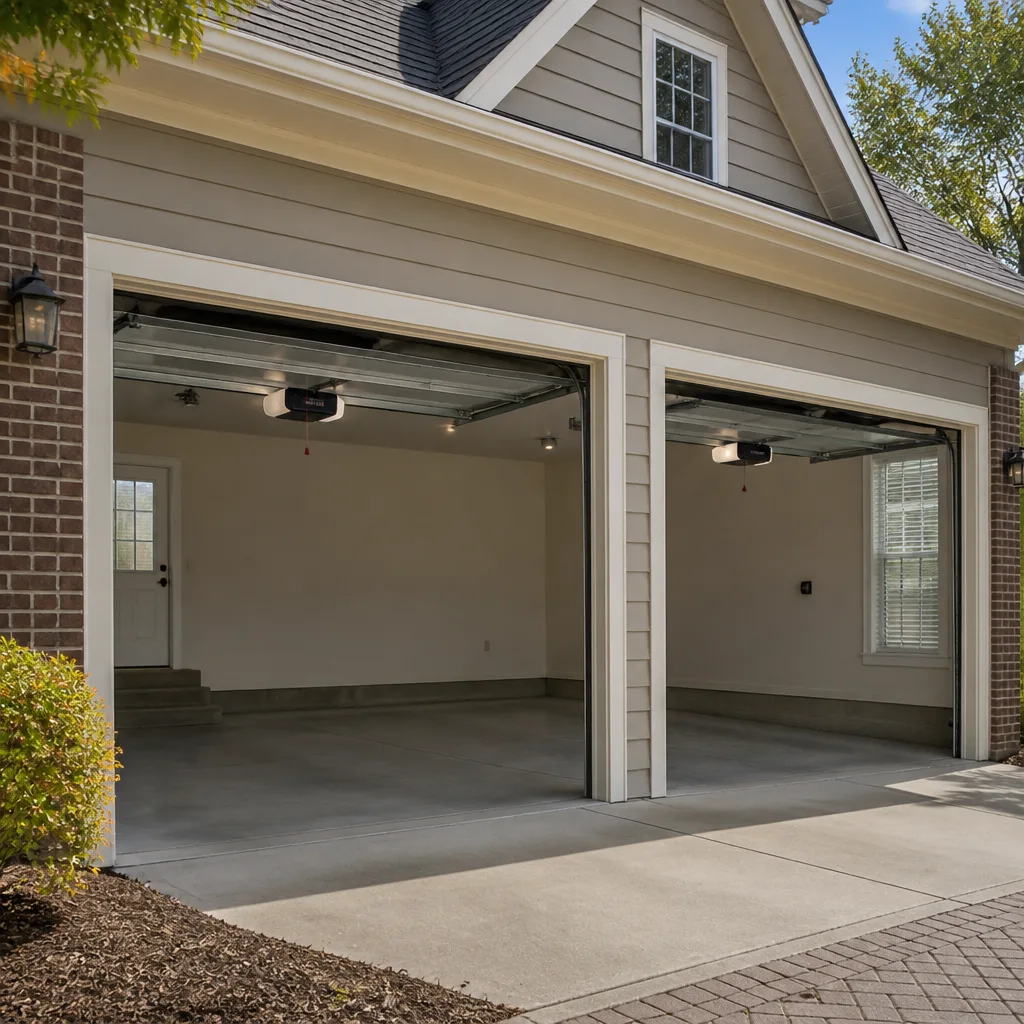 Chamberlain openers
Full 25-point door and opener safety check with every visit - springs, cables, rollers, tracks, and your LiftMaster or Chamberlain opener included
You get a price before we start. It does not change when the pro arrives.
Get your free estimateGarage Door Emergency Preparedness Guide for Green Lake Homes
Most garage door “emergencies” in Green Lake aren’t mechanical at all. They’re the moment a homeowner stands in a dark garage during a windstorm, pulling at a manual release cord they’ve never touched, while the rest of the house sits without power and the car needs to be out the door in twenty minutes. The equipment usually works fine. The homeowner was never shown how it works. That’s the gap this guide closes.
We’ve walked Green Lake homeowners through both kinds of failure enough times to know the difference matters: a snapped spring or a dead opener that strands you is one problem, a power outage that leaves you fumbling for a release cord is another, and they call for completely different responses. In this guide you’ll learn how to release your door correctly, how to get out safely when nothing responds, which failures are a genuine call-us-now emergency and which can wait until morning, plus a storm-prep routine and an emergency kit tailored to Green Lake homes. By the end you’ll be able to handle the first five minutes of almost any garage door failure yourself.
Quick Answer
A garage door emergency in Green Lake is either a mechanical failure (broken spring, snapped cable, dead opener) or a power-loss situation, and each needs a different first move. For power loss, use the manual release cord to disengage the trolley and operate the door by hand. For a mechanical failure, stop pulling the door and call a specialist, because a door with a broken spring or cable can come down hard and fast. True after-hours emergencies are doors stuck open (a security issue) or a vehicle trapped with no safe manual option. Everything else can usually wait for a scheduled visit.
Styles & brands we work with
- Raised-panel steel
- Carriage house
- Modern flush
- Full-view glass
- LiftMaster openers
- Chamberlain openers
Table of Contents
- Mechanical Failure vs. Power Outage: Two Different Emergencies
- How to Use a Manual Release Cord Correctly
- Stuck Inside With the Door Down: Safe Ways Out
- What Counts as a Real Emergency vs. a Morning Problem
- Green Lake Storm Prep Before Fall
- Building Your Garage Door Emergency Kit
- Why Springs and Cables Are Never a DIY Fix
- Preventive Checks That Head Off Most Emergencies
Mechanical Failure vs. Power Outage: Two Different Emergencies
The first thing to do in any garage door emergency is figure out which category you’re in, because the response diverges immediately. A mechanical failure means a component broke: a torsion spring snapped, a cable unwound, a roller jumped the track, a panel bent. A power outage or failed opener means the door and hardware are intact but nothing is driving them. Confusing the two is where people get hurt.
Here’s how to tell them apart:
- Listen first. A loud bang from the garage followed by a door that won’t lift usually means a spring broke. A quiet failure with no door movement at all points to power or opener trouble.
- Check the door by hand (gently). With the opener disconnected by the release cord, a healthy door lifts with moderate, even effort. If it feels impossibly heavy or suddenly drops, a spring or cable is the culprit, and you should stop.
- Look at the opener. No lights, no sound, no click? Check the breaker and the wall outlet before anything else. A humming opener that won’t move the door is usually a stripped gear or a dead capacitor, which is an opener repair issue, not a door issue.
- Scan the track and panels. A door off its track or a visibly bent section means you should not force it. Leave it and call.
In Green Lake, the windstorm pattern matters here. When a strong front rolls through and takes out power across the neighborhood, most of what we hear about is category two: intact doors with no electricity to move them. The mechanical failures tend to cluster in the weeks after a cold snap or at the end of a dry summer, when a tired spring finally gives. Knowing which one you’re facing tells you whether to reach for the release cord or the phone.
How to Use a Manual Release Cord Correctly
Every opener sold under the major brand names – LiftMaster, Chamberlain, Genie, Craftsman included – has a manual release, usually a red cord hanging from the trolley that rides along the rail. It exists so you can disengage the door from the opener and move it by hand. Most homeowners have never pulled it. The good news is the operation is simple once you know the sequence; the bad news is that doing it wrong can leave you with a jammed trolley or a door that won’t re-engage.
Here’s the correct procedure, step by step:
- Confirm the door is fully closed (or fully open) before you pull the cord. Never pull it mid-travel or with the door partway up, because the door can drop or the trolley can jam.
- Pull the release cord straight down and toward the door (away from the opener motor). You’ll hear or feel a click as the trolley disengages from the carriage.
- Lift the door slowly by hand using the bottom handle or the frame – not the panels or the hinges. If it’s a healthy door with working springs, it should move with smooth, controlled effort and stay up once you let go. If it feels dead heavy, stop: you have a broken spring and this is not the time to muscle it.
- Lower the door gently with both hands when you’re done, guiding it all the way down. Don’t let it slam.
- Re-engage the trolley by pulling the cord again toward the opener (opposite direction) or by running the opener until the carriage reconnects. On many units you simply press the wall button once with the door closed and the carriage re-engages automatically. Check your opener manual for the exact method, since it varies by brand and model.
One Green Lake-specific note: our damp fall and winter air can make older release cords stiff or dusty, and the trolley carriage sometimes sticks after a season of disuse. If the cord feels stubborn, don’t yank it – a stuck carriage is a quick fix for a specialist but an easy way to bend the rail if you force it.
Stuck Inside With the Door Down: Safe Ways Out
Being stuck inside a garage with the door down and no working override is genuinely unnerving, but it’s rarely as trapped as it feels. The goal is to get out without damaging the door, the track, or your opener warranty. Forcing the door up with a crowbar or backing the car into it can turn a small problem into an expensive one.
Work through these in order:
- Check for a side door or service door. Many Green Lake garages have a pedestrian door. It’s the simplest exit and costs the door nothing.
- Re-check the manual release. If you haven’t tried it, do. If the cord is present but the trolley won’t disengage, the carriage may be locked by the opener’s internal brake; cycling the wall button (if there’s any power) sometimes frees it.
- Test the breaker. If the opener is dead but the rest of the house has power, a tripped garage breaker is the answer. Reset it once.
- Use the emergency release on the opener itself if the cord is missing or broken – most openers have a second release point, and the owner’s manual explains where.
- Call for help. If none of the above works and you truly can’t get out, call a specialist. A trained technician can free a jammed door without bending the track or voiding the opener’s warranty, and it’s the safest option when a spring or cable is suspect.
The one thing to avoid: never try to lift a door that won’t stay up by propping it with a ladder, a broom, or the car. A door that drops on a person or a vehicle is exactly the kind of emergency nobody wants. If the door won’t hold itself open, it stays down until someone qualified looks at it.
What Counts as a Real Emergency vs. a Morning Problem
Not every broken door is an emergency, and knowing the difference saves you a stressful call and often a premium. In our experience, people over-classify garage problems as emergencies because the door is so central to daily life, when a little patience would serve them better. Other times they under-classify and leave a door open all night.
Here’s how we split it:
Call now (a true emergency):
- The door is stuck open and can’t be closed – your home is exposed, and security matters.
- A vehicle is trapped inside and you need it out safely.
- The door is hanging off its track, dangerously bent, or a cable has snapped and is whipping or blocking movement. This is a safety hazard.
- You hear a loud bang from the garage and the door won’t move – a broken spring plus a stuck car is a real problem.
Can wait for a scheduled visit (a morning problem):
- The door opens and closes but is noisy, jerky, or slower than usual.
- The opener works fine from the wall button but a remote or keypad has stopped responding (usually a battery or programming issue).
- The door reverses immediately or stops partway – annoying and worth fixing, but not a hazard if you’re not trapped.
- A single panel has a small dent, or the weather seal is worn.
When in doubt, describe the situation when you call and the technician can help you decide whether it can wait. In Green Lake during storm season, genuinely open or unsafe doors get priority, and that’s exactly the kind of triage that keeps everyone safe.
Green Lake Storm Prep Before Fall
Green Lake sits in a pocket of the Pacific Northwest that gets the full fall and winter windstorm treatment – the kind of low-pressure systems that push gusts through the neighborhood and knock out power for hours. The garage door is often the first thing to fail, because it’s a big moving surface with seals that wear and hardware that loosens over a summer of daily use. A little prep before the storms arrive heads off the most common emergencies.
Work through this checklist in late summer or early fall:
- Inspect the bottom seal. Run your hand along the rubber gasket at the bottom of the door. Cracks, gaps, or a seal that’s pulling away let wind and rain in, and a gap also lets debris under the door where it jams. Replace a worn seal before the rain starts.
- Check track anchoring. Look at the brackets that hold the vertical and horizontal tracks to the wall and ceiling. Loose bolts, torn metal, or tracks that have drifted out of alignment mean the door can come off in a gust. Tighten what you can reach safely and have a specialist check anything that looks compromised.
- Lubricate the moving parts. A dry, squeaky door is a door under stress. A proper garage door lubricant on rollers, hinges, and springs keeps everything moving smoothly through the cold months.
- Test the safety reverse. Put a piece of wood or a roll of paper towels under the door and close it. The door should reverse on contact. If it doesn’t, the safety sensors or opener need attention before storm season.
- Clear the tracks. Leaves and grit blow into Green Lake garages. Sweep out the tracks so a stray twig doesn’t jam the door the first time a gust pushes it.
These five steps take an afternoon and prevent most of the storm-season emergencies we see. If anything on the list is beyond what you’re comfortable checking – especially the track anchoring and spring tension – that’s the moment to bring in a specialist rather than wait for a failure.
Building Your Garage Door Emergency Kit
The best time to prepare for a garage door emergency is when nothing is wrong. A small kit, kept in the garage itself, means you’re not searching the house for a flashlight in the dark. In Green Lake, where a fall storm can knock out power without warning, having these items within arm’s reach is the difference between a calm five minutes and a stressful hour.
Here’s what to keep in a grab-and-go box or drawer near the garage door:
- Two flashlights and spare batteries (a headlamp is even better, so your hands stay free).
- A printed copy of your opener manual – or at least the model number written down. The manual shows the exact location of the manual release and how to re-engage the trolley on your specific unit.
- The opener model number and manufacture date, plus the brand and model of the door itself, written on a card taped inside a cabinet. When you call for help, this saves time and ensures the right parts.
- The installer’s or service company’s contact information, saved in your phone and on the card.
- A can of garage door lubricant (not WD-40, which attracts dust and gum up over time – a proper lithium or silicone garage door lube).
- A basic tool set: a socket set, a pair of pliers, and a screwdriver, for snugging loose bolts you can safely reach.
- A pair of work gloves, because a snapped cable or a sharp panel edge is unpleasant to grab bare-handed.
- A printed copy of this guide’s manual-release steps, in case your memory fails under pressure.
Keep the kit somewhere you can reach without moving the car, and check the batteries once a year when you change your smoke detector batteries. It’s a small habit that pays off the first time the power drops in Green Lake.
Why Springs and Cables Are Never a DIY Fix
Of all the garage door parts, the torsion and extension springs and their cables are the ones we most often see homeowners try to tackle themselves – and the ones that cause the most serious injuries. A garage door spring is under enormous stored tension. When it snaps, it releases that energy instantly. When someone tries to loosen or replace one without the right tools and knowledge, the spring can whip, the cable can snap, and the result is a trip to the emergency room.
The parts themselves are dangerous in ways that aren’t obvious from looking at them:
- A torsion spring is wound tight even when the door is down. Releasing that tension safely requires specific winding bars and a controlled procedure.
- Extension springs store energy along the horizontal track. A failed extension spring can swing a cable through the garage with real force.
- Cables hold the whole door. A cable under tension can cut through a glove and skin in a fraction of a second.
Our advice is simple: if a spring has snapped or a cable has come loose, don’t touch it. Keep the door closed if you can, keep people and pets away, and call a professional. This is exactly the work a specialized garage door company is equipped to do safely, and it’s the reason we foreground spring repair as its own service rather than lumping it in with general repairs. Your door’s springs are the heart of its safety system, and they deserve someone who handles them every day.
Preventive Checks That Head Off Most Emergencies
Most garage door emergencies don’t come out of nowhere. They develop slowly – a stretched spring, a loosening bolt, a worn seal – and then one cold morning or one strong gust pushes the tired part past its limit. A short monthly check catches those developments before they strand you. Three to five minutes once a month is genuinely enough for most Green Lake homes.
Run through this when you think of it:
- Open and closely listen. A healthy door is quiet and smooth. Rattles, grinding, or a sudden lurch mean something is loosening or wearing.
- Look at the springs. A visible gap in a torsion spring or a stretched extension spring is a warning. Don’t touch it – note it and call.
- Check the rollers and hinges. Wobbly rollers, cracked nylon, or loose hinge bolts are cheap to fix now and expensive to fix after a failure.
- Test the balance. Disengage the opener with the release cord, lift the door halfway, and let go. A balanced door stays put. One that drops or rises on its own has a spring or balance problem.
- Test the safety reverse and the photo-eye sensors as described above. This is the single most important safety check on any automatic door.
If any of these turn up something you’re not sure about, a quick inspection from a technician is the honest answer. The same goes for the manual release: test it once a season so you know it works before you need it, which is the whole point of this guide. Garage doors are all we do, which means we’ve seen every version of “it was fine yesterday” – and almost all of them had a warning someone could have caught.
Common Mistakes to Avoid
- Pulling the release cord with the door partway up. The door can drop suddenly and the trolley can jam. Always release with the door fully closed or fully open.
- Forcing a heavy door by hand. If a door won’t lift with moderate effort, a spring or cable has failed. Muscling it is how people get hurt and how doors get bent.
- Propping a sagging door open with a ladder or broom. It won’t hold, and a falling door is a serious hazard. If the door won’t stay up, it stays down until a specialist looks at it.
- Using WD-40 on the tracks and springs. It attracts dust and gums up over time. Use a proper garage door lubricant.
- Ignoring a slow, noisy door. In Green Lake, that grind you hear in September is often the loose bracket or worn roller that fails in the first big October windstorm.
- Forgetting to test the manual release until you need it. In a power outage, the last place you want to discover the release is stuck is in a dark garage.
- Trying to adjust springs or cables yourself. These parts are under extreme tension and can cause serious injury. This is not a handyman job, let alone a DIY one.
See the difference
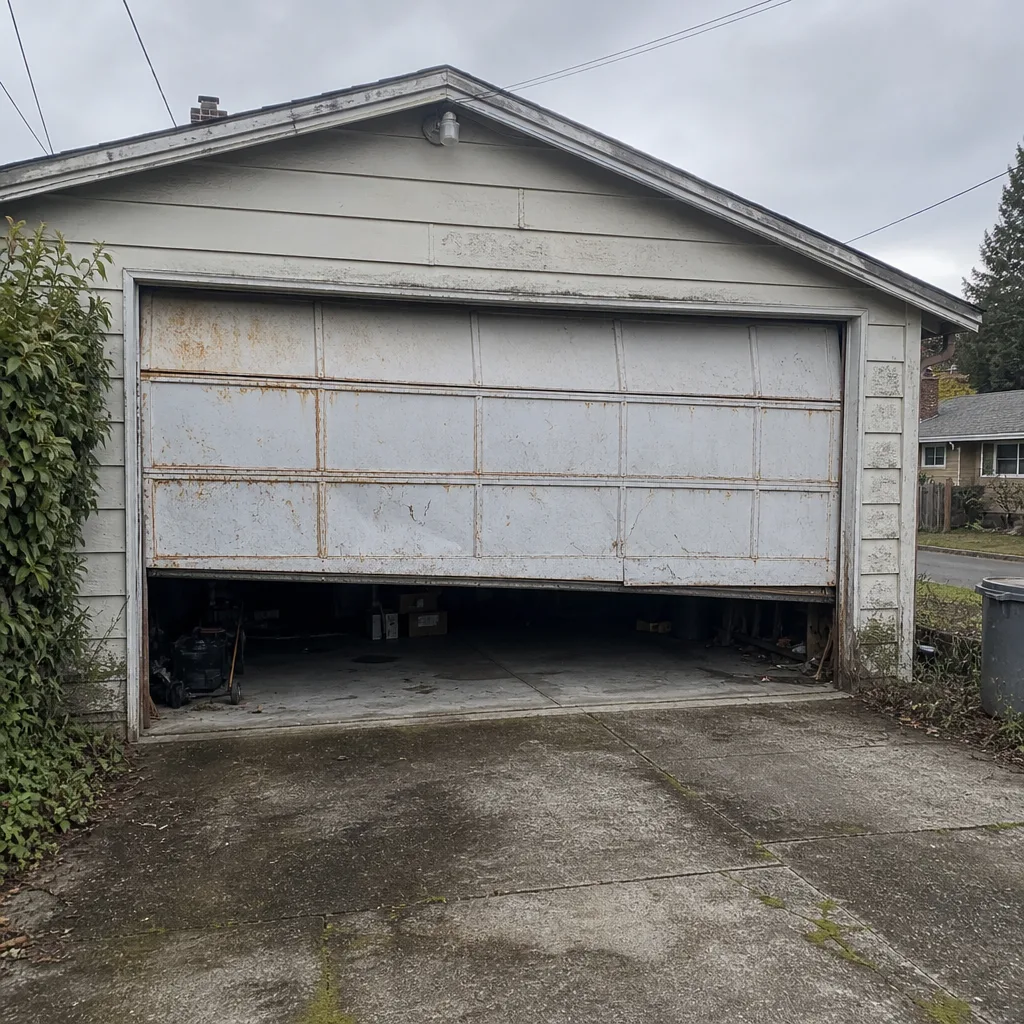 Before
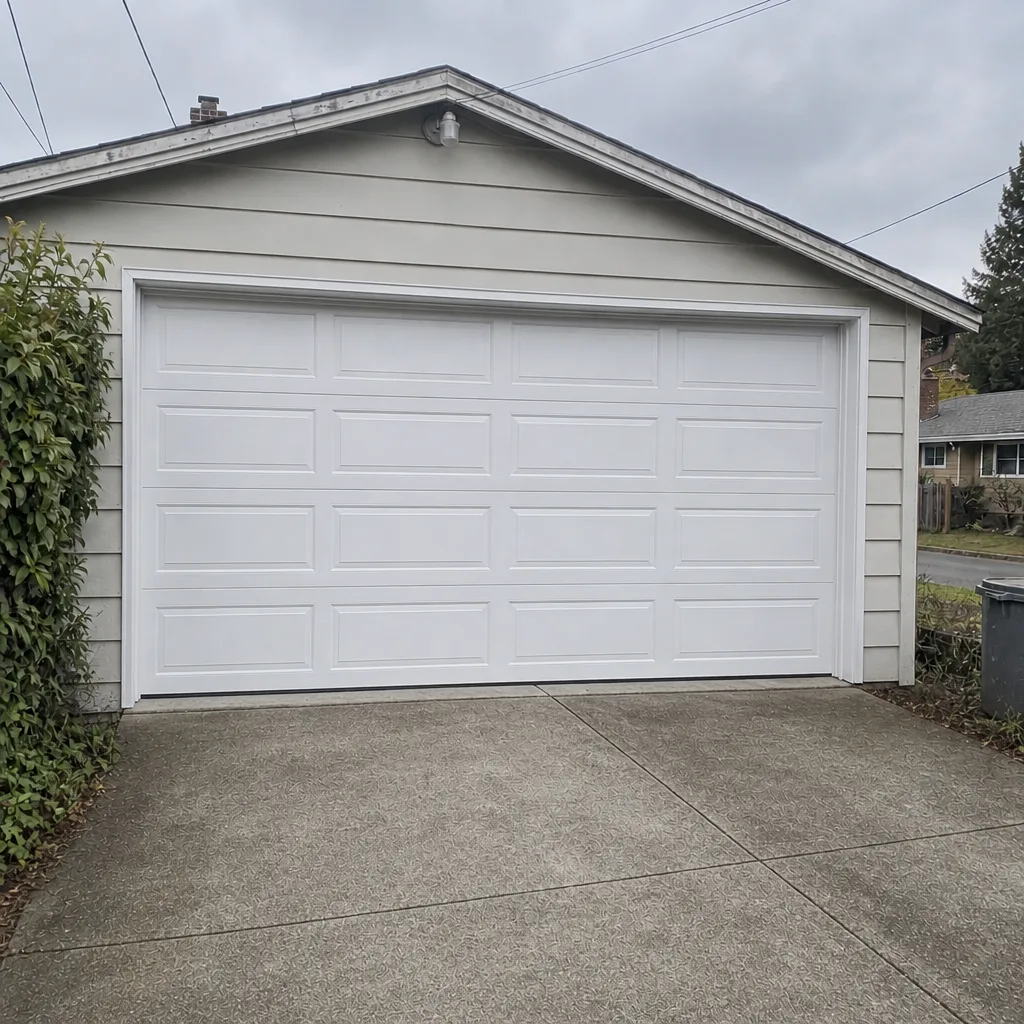 After
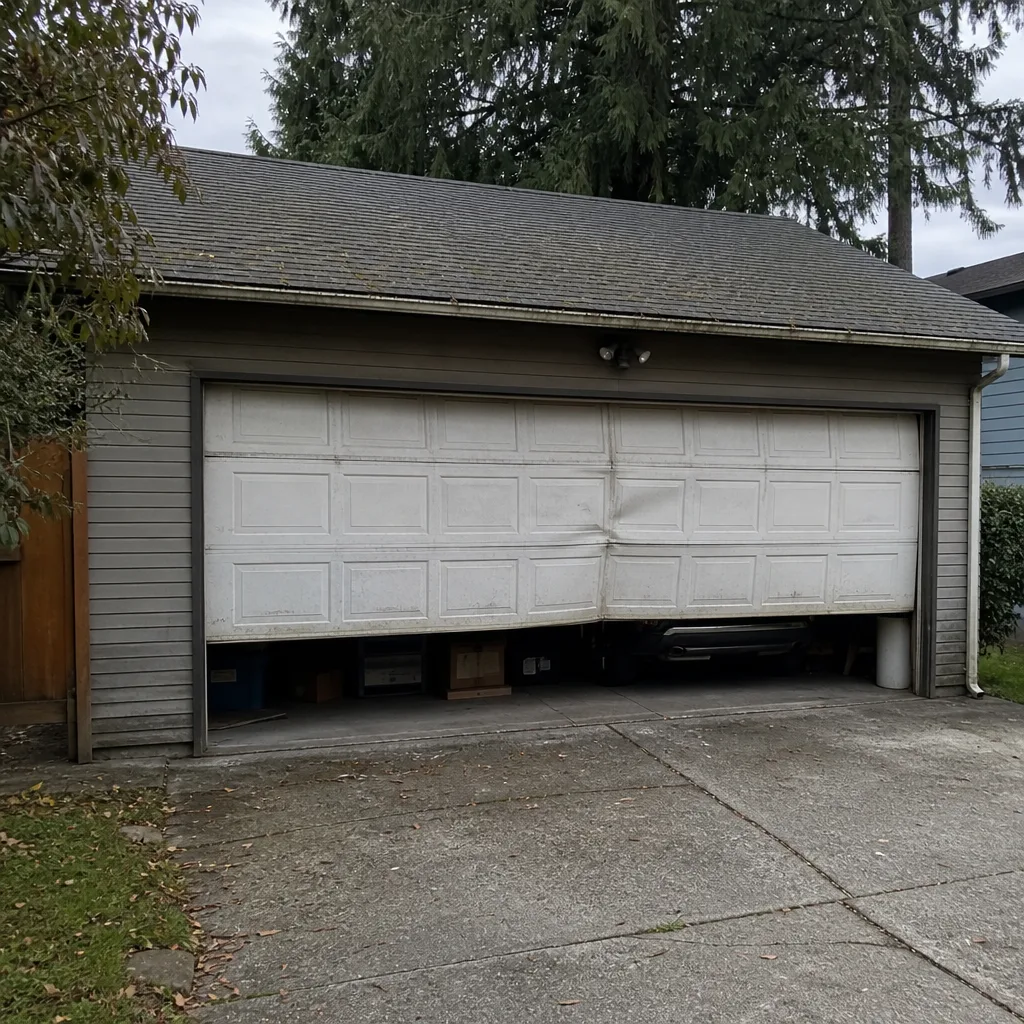 Before
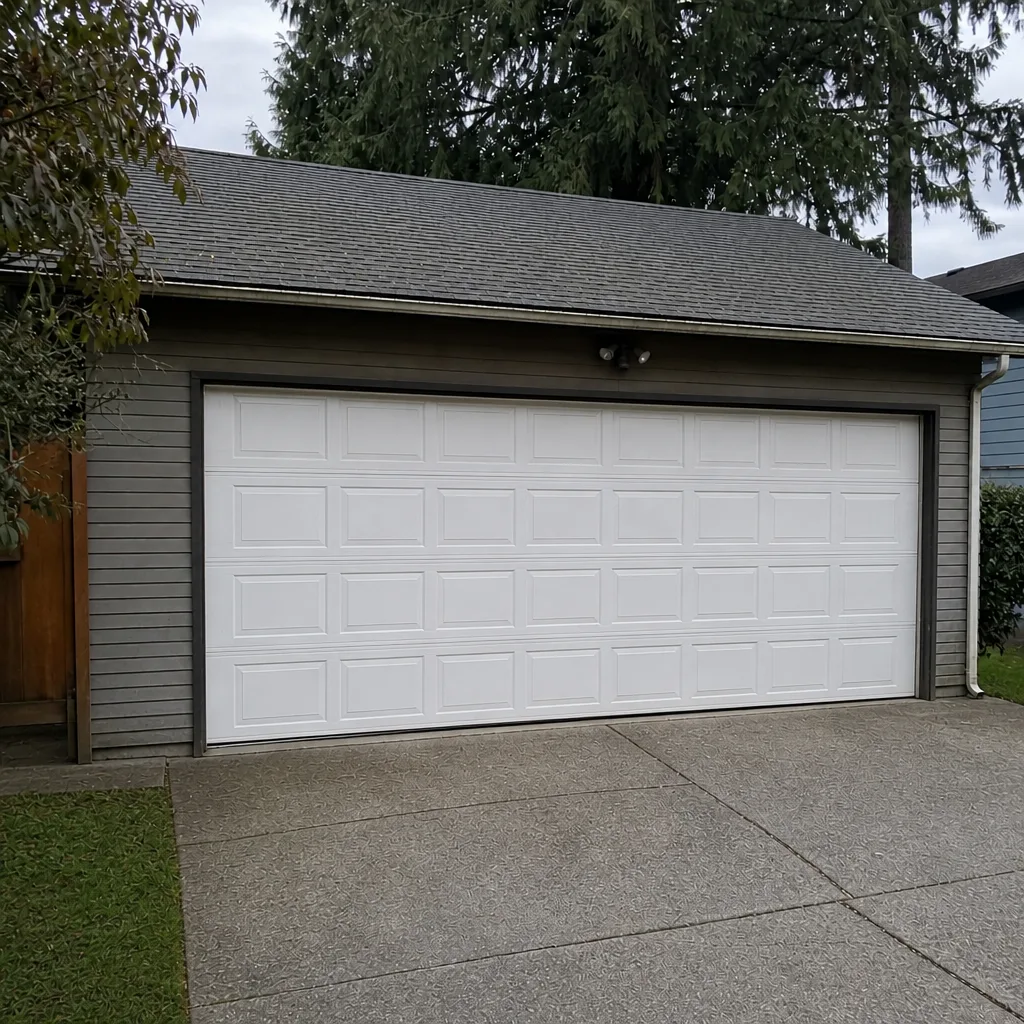 After
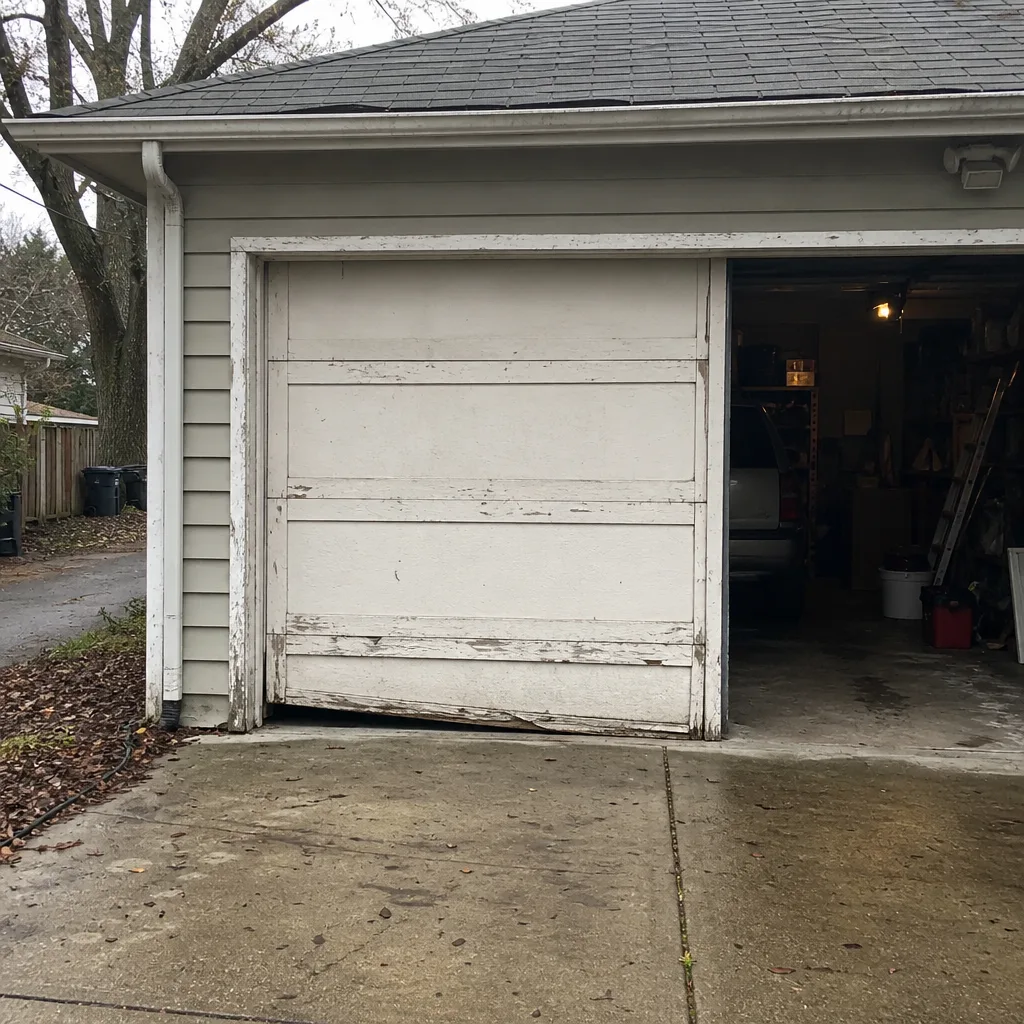 Before
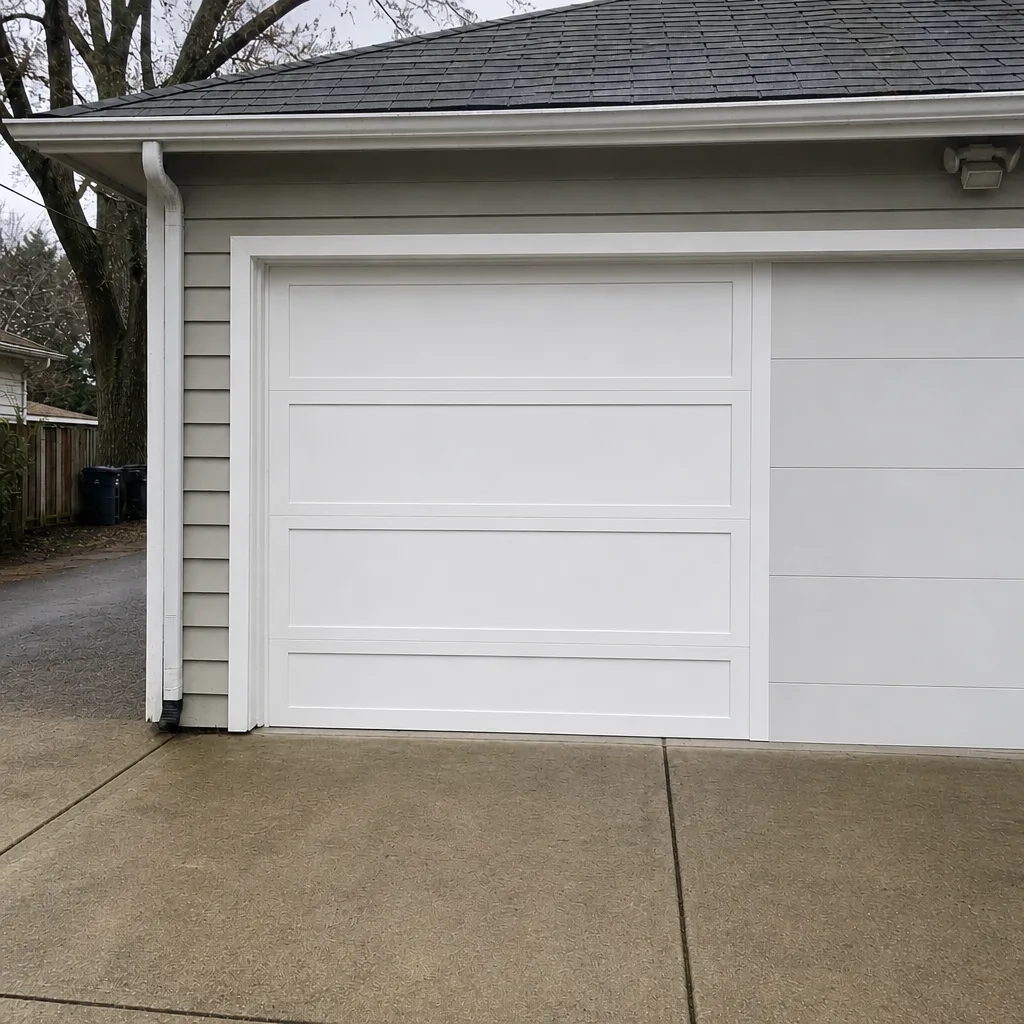 After
When to Call a Professional
Call a professional the moment you’re dealing with a broken spring, a snapped cable, a door off its track, or any situation where the door won’t stay up or won’t stay closed. Those are the scenarios where forcing the issue causes injury or turns a repair into a full replacement. A door stuck open with no way to close it is also a call-now situation for security reasons. On the other hand, a noisy door, a slow opener, a dead remote, or a small dent can usually wait for a scheduled visit. If you’re not sure which side of the line you’re on, describe it when you call and we’ll help you decide. Garage Door Repair Green Lake offers free estimates in Green Lake – call (866) 429-4392. Our technicians have up to 13 years of experience and handle every major brand, from LiftMaster and Chamberlain openers to Clopay, Amarr, Wayne Dalton, and Raynor doors. Whether you need Garage Door Repair Green Lake or just want a second opinion on whether repair or replacement makes sense, we’ll tell you straight.
Frequently Asked Questions
Pull the red manual release cord hanging from the trolley to disengage the door from the opener, then lift the door by hand using the bottom handle. The door should move smoothly with working springs and stay up when you let go. Re-engage the trolley when power returns by pulling the cord back or cycling the opener once. If the door feels impossibly heavy, a spring has failed and you should call for help rather than force it.
A garage door stuck open with no way to close it is a real emergency because it leaves your home exposed, and so is a vehicle trapped inside or a door hanging off its track. A broken spring, a snapped cable, or a door that won’t stay up are also call-now situations for safety. A noisy door, a dead remote, or a slow opener can usually wait for a scheduled visit. Call (866) 429-4392 and we’ll help you sort out which one you’re facing.
No. Torsion and extension springs are under extreme tension, and a mistake can cause serious injury or damage the door. Replacing them safely requires special winding bars and a controlled procedure that trained technicians practice regularly. Keep the door closed, keep people and pets clear, and call a specialist. Spring repair is one of our core services, and it’s exactly the kind of work that shouldn’t be a DIY project.
Inspect and replace a worn bottom seal, check that the track brackets are tight and the tracks aligned, lubricate the moving parts, clear debris from the tracks, and test the safety reverse. These five steps prevent most of the storm-season failures we see. If the track anchoring or spring tension looks off, have a specialist check it before the winds arrive. Call (866) 429-4392 for a free estimate if anything looks questionable.
Yes, but leave it to a professional. A door off its track is a safety hazard, and forcing it back by hand can bend the tracks, damage the panels, and hurt you. Keep the door closed if possible and call for help. We handle track and panel repairs on all major door brands, including Clopay, Amarr, Wayne Dalton, and Raynor, and we’ll tell you whether the door can be repaired or whether replacement makes more sense.
Yes. We repair openers across both modern smart-home platforms and legacy and builder-grade units, so a Craftsman or Genie opener that’s been on the ceiling for years gets the same attention as a new LiftMaster or Chamberlain system. If the opener can’t be saved, we’ll explain your options honestly. Call (866) 429-4392 for a free estimate, and we’ll help you decide between garage door opener repair and replacement.
The Bottom Line
The two garage door emergencies Green Lake homeowners actually face are mechanical failures and power outages, and each needs a different first move. Learn your manual release, build a small emergency kit, run the monthly checks, and prep your seals and tracks before storm season. Those habits handle the first five minutes of almost any failure and prevent most of them. For everything beyond that – snapped springs, doors off their track, openers that won’t respond – you want a specialist who handles every major brand and tells you straight whether repair or replacement makes sense. For garage door repair, garage door opener repair, or garage door installation, call (866) 429-4392 for a free estimate.
Written by the team at Garage Door Repair Green Lake.