Last updated November 21, 2026
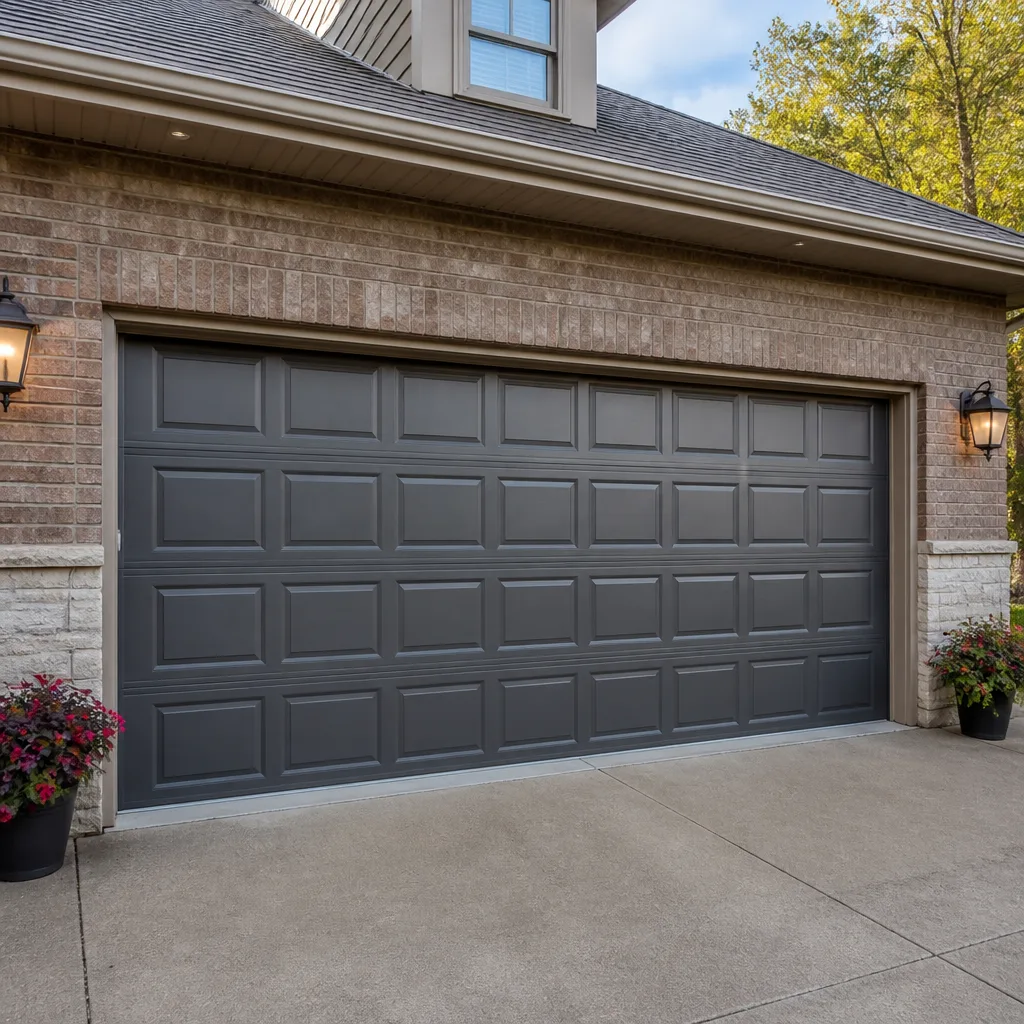 Raised-panel steel
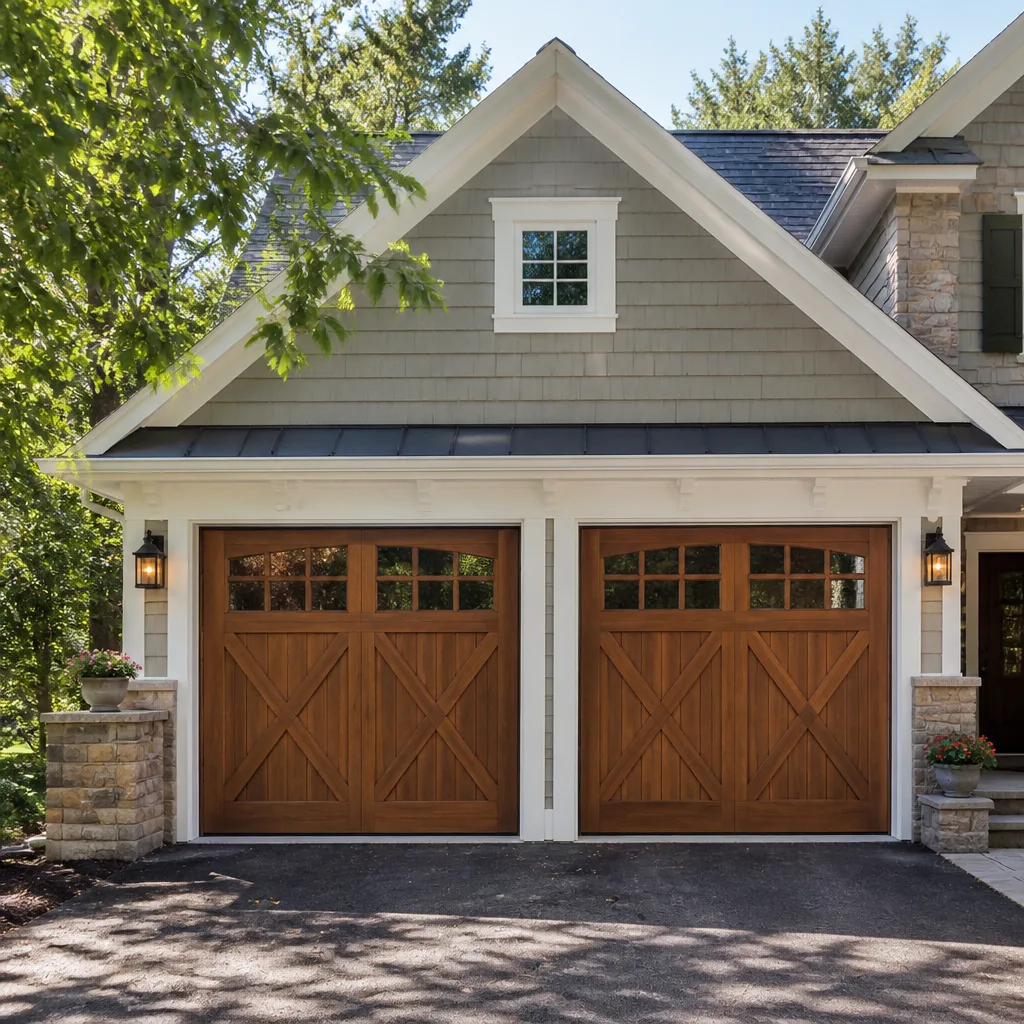 Carriage house
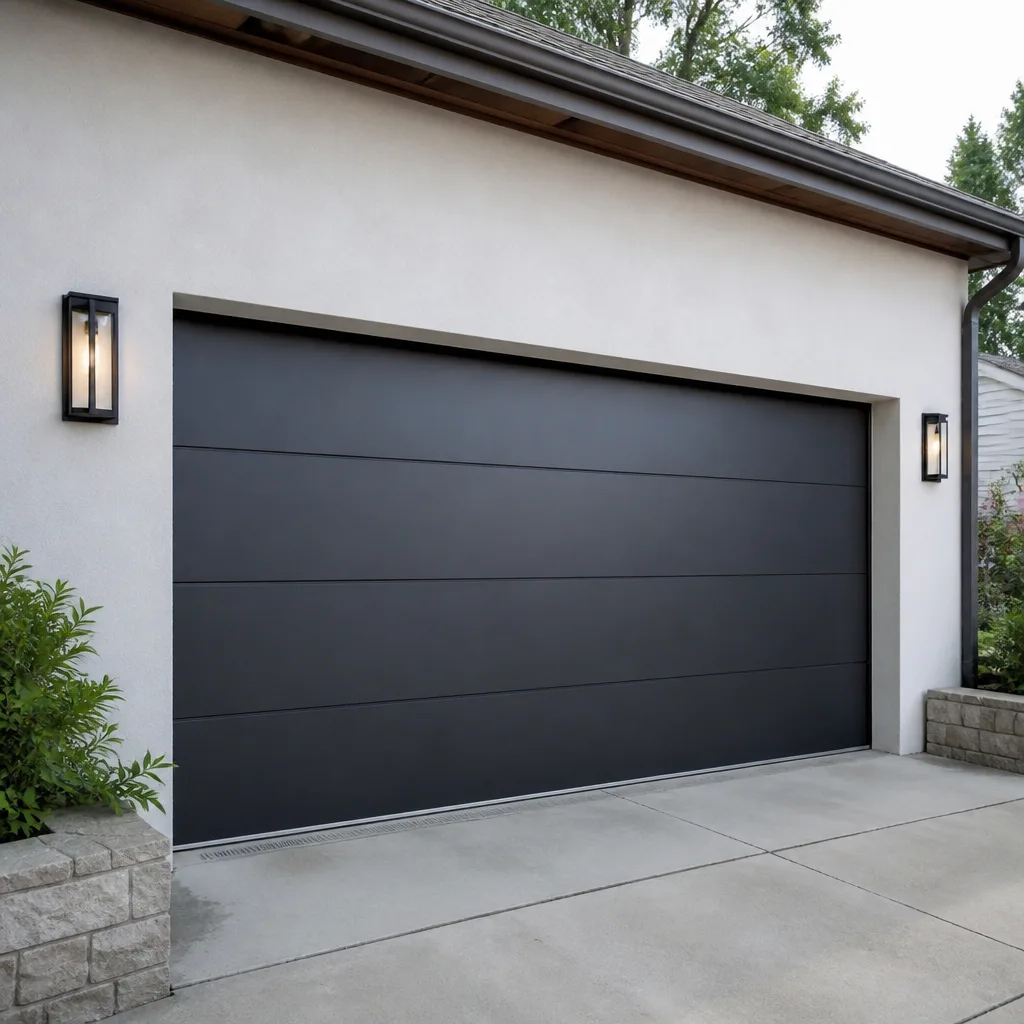 Modern flush
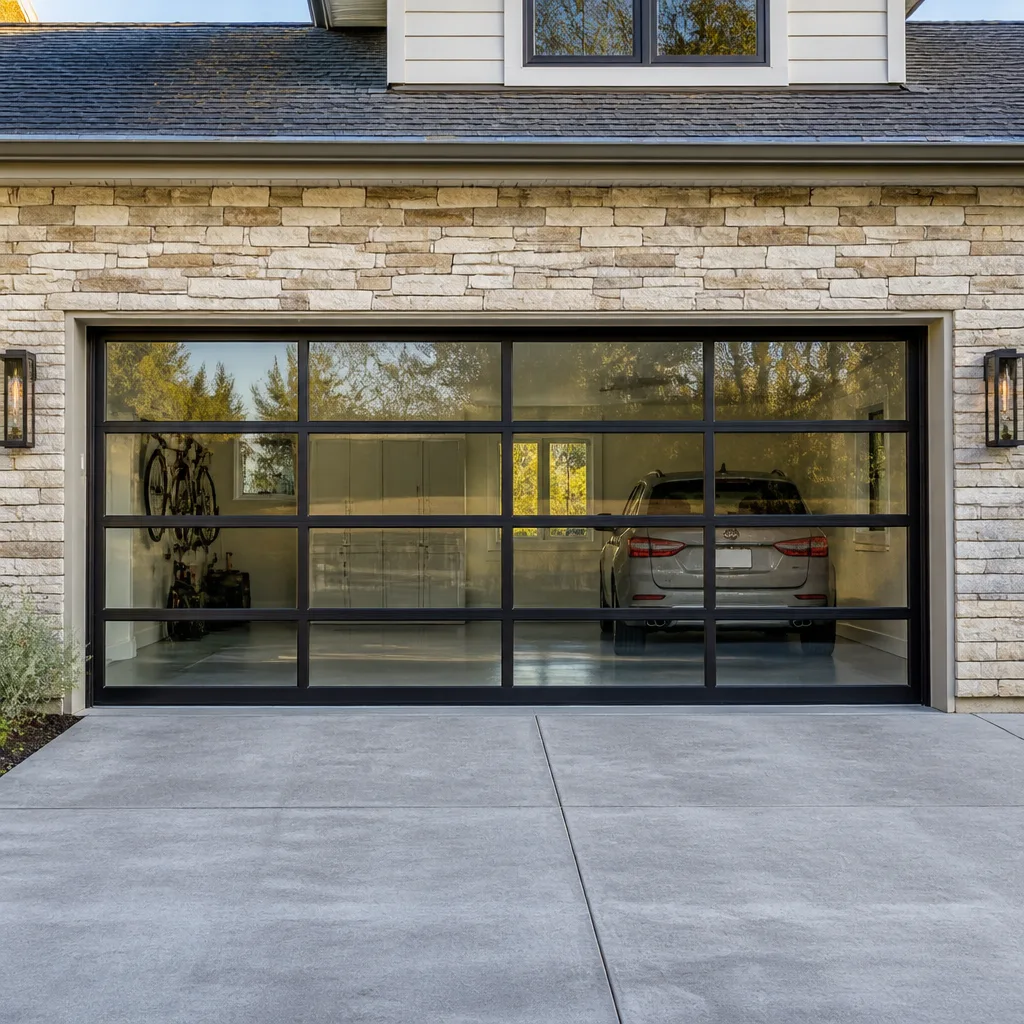 Full-view glass
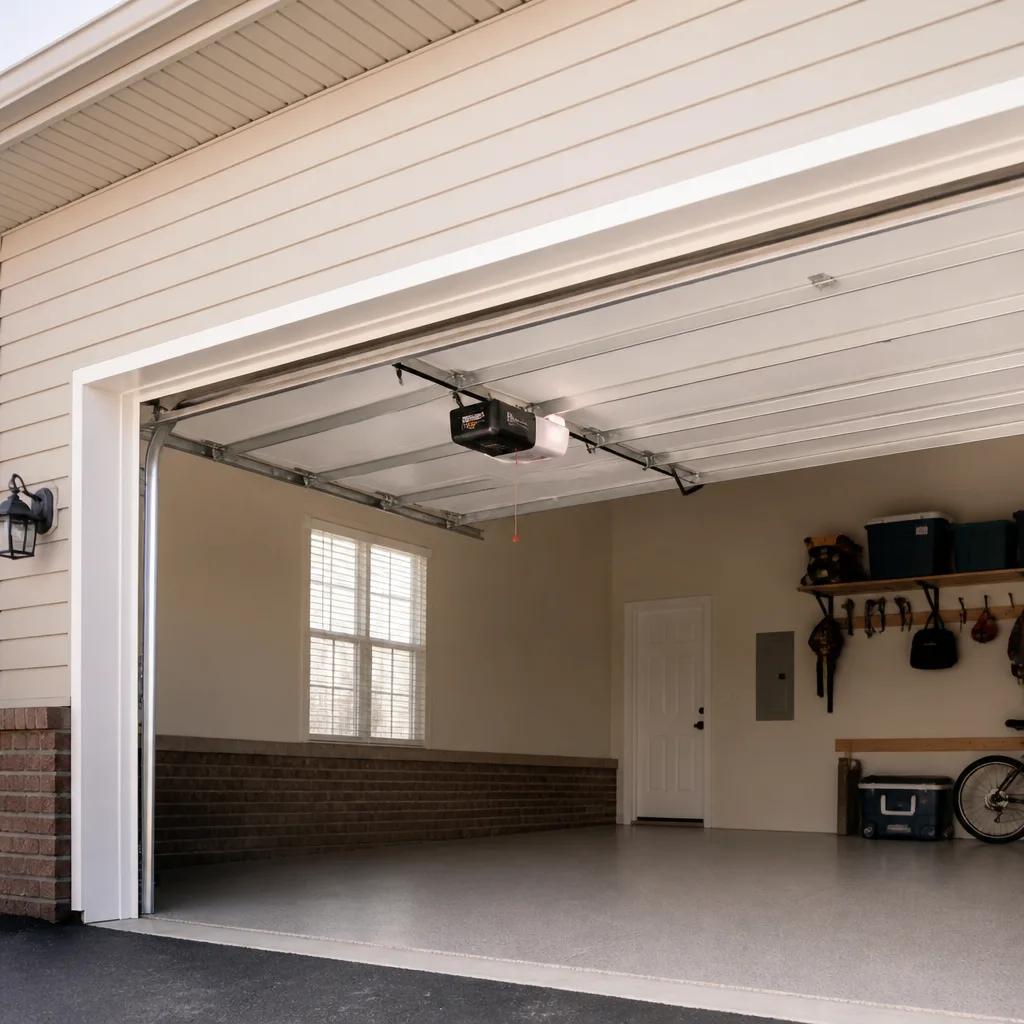 LiftMaster openers
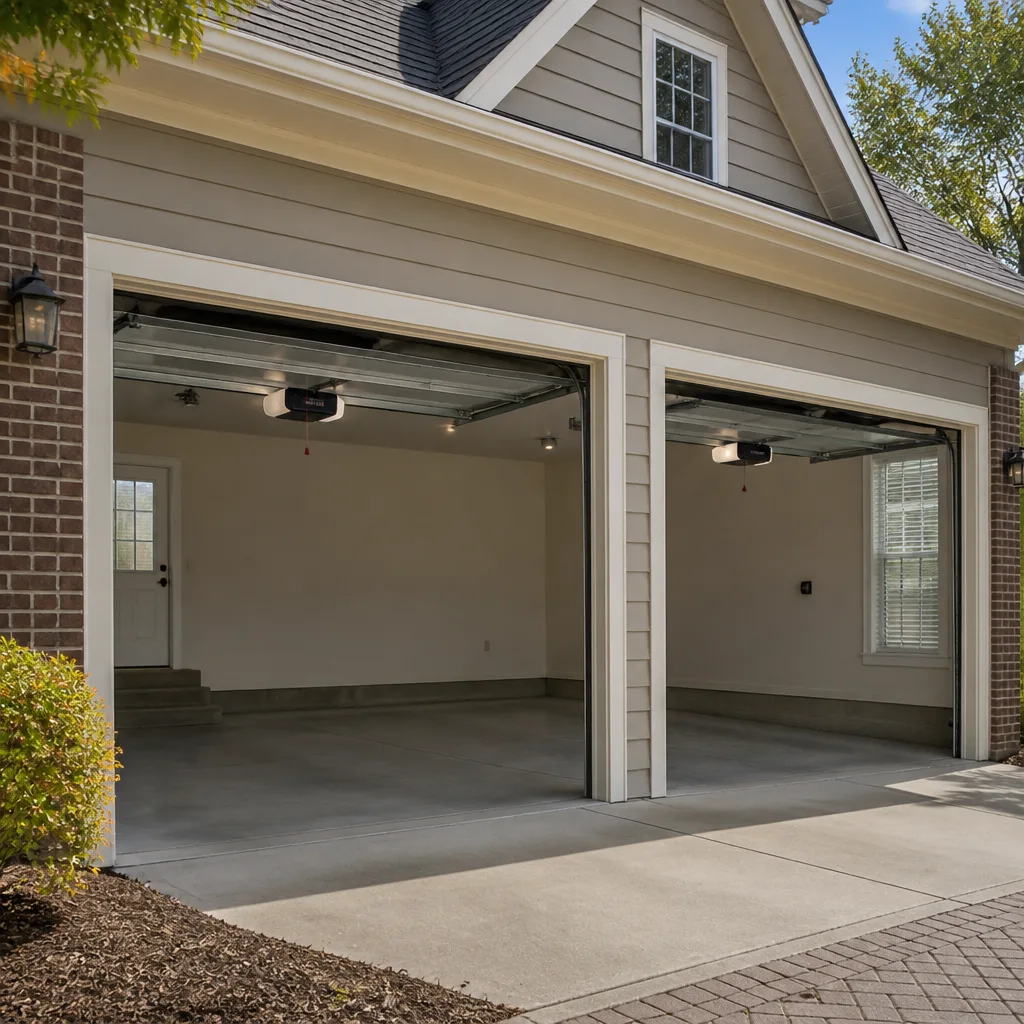 Chamberlain openers
Full 25-point door and opener safety check with every visit - springs, cables, rollers, tracks, and your LiftMaster or Chamberlain opener included
You get a price before we start. It does not change when the pro arrives.
Get your free estimateChoosing the Right Garage Door Brand: A Buyer’s Guide for Green Lake
The brands with the biggest ad budgets are rarely the brands your technician sees the most of under repair. That gap says a lot. Garage door branding is a strange industry: most dealers carry a single manufacturer, so the “best brand” conversation gets shaped by whatever line the person selling to you happens to stock. Meanwhile, the questions that actually decide whether you’ll be happy in five years, insulation performance in a wet climate, parts depth in the Seattle market, steel gauge, opener compatibility, warranty fine print, get buried under color charts. This guide closes that gap. You’ll learn the five criteria that actually matter for a Green Lake home, how the major brands stack up against them, and how to get an answer that isn’t just a dealer’s preference.
Quick Answer
There’s no single “best” garage door brand for Green Lake. The right pick depends on five things: insulation R-value suited to Pacific Northwest weather, corrosion resistance, parts availability in the Seattle market, compatibility with the opener you own or plan to buy, and a warranty without hidden exclusions. Clopay, Amarr, Wayne Dalton, Raynor, and CHI all make doors that can work well here; the fit matters more than the logo.
Styles & brands we work with
- Raised-panel steel
- Carriage house
- Modern flush
- Full-view glass
- LiftMaster openers
- Chamberlain openers
Table of Contents
- The Five Criteria That Actually Matter in Green Lake
- Brand-by-Brand: How the Majors Score on Those Criteria
- The Steel Gauge Question
- Why Single-Brand Dealers Always Recommend Their Brand
- Smart Opener Compatibility as a Tiebreaker
- Insulation and the Green Lake Climate
- Warranty Terms and the Exclusions Nobody Mentions
- What the Seattle Market Means for Parts and Repair Speed
The Five Criteria That Actually Matter in Green Lake
Most brand comparison articles list model features side by side and call it a day. That’s fine for a showroom, but it misses the factors that determine how a door performs over years of Green Lake weather. Here’s what we weigh when a homeowner asks us how to choose.
- Insulation R-value. An attached garage in the Pacific Northwest sits against living space. An insulated door keeps that separation useful, and a door rated for real thermal performance handles condensation better than a pan door that fogs all winter.
- Corrosion resistance. Green Lake sees long damp seasons. Steel gauge, coating quality, and the prep work before paint matter more here than in a dry climate. A galvanized or well-primed door lasts longer against constant humidity.
- Parts availability in the Seattle market. A brand with deep dealer and distribution coverage in the region means springs, rollers, hinges, panels, and openers are easy to source. A brand with thin coverage can turn a simple repair into a multi-week wait.
- Opener compatibility. Whether you’re pairing with an existing LiftMaster, a Chamberlain, a Genie, or an older Craftsman unit, the door and opener have to work together cleanly, including safety sensors and travel limits.
- Warranty terms. Many warranties sound generous until you read the exclusions: what voids coverage, who pays labor, what counts as “normal wear.” Compare the fine print, not the headline number.
Hold these five in mind. Every brand comparison in the next section gets measured against them, not against a spec sheet in isolation.
Brand-by-Brand: How the Majors Score on Those Criteria
Here’s how the major names tend to shake out when you evaluate them against the real Green Lake criteria. These are general characterizations based on how we see these doors perform and repair in the Seattle market. Your estimate and door selection will narrow the details to a specific model.
Clopay
Clopay is one of the most widely recognized residential door brands in the country, with a deep model lineup from basic pan doors to insulated carriage-house styles. On insulation and availability, it does well: distribution is broad in the Seattle area, so panels and parts are usually straightforward to source. Smart opener compatibility is generally clean because Clopay doors pair with most major openers. The catch is model sprawl. Clopay makes doors at every price point, so two “Clopay doors” can be very different products. Ask which specific model and gauge you’re quoting.
Amarr
Amarr leans toward value and a broad residential catalog. Insulation options range from uninsulated to well-insulated models, so the specific line matters more than the brand name. Amarr doors are common in this region and parts are generally obtainable through regional distribution. On corrosion resistance, the paint and steel prep work is worth examining closely on entry-level models, especially in a damp climate like Green Lake’s. If you’re choosing an Amarr door, spend the time on the gauge and coating, not the color.
Wayne Dalton
Wayne Dalton is a familiar name in this region and shows up often on newer construction and remodel work. The brand has a wide catalog, including insulated models that perform well for attached garages. On parts availability, Wayne Dalton has reasonable coverage through regional suppliers, and technicians who work on a lot of them tend to know the common failure points. Opener pairing is typically straightforward. One consideration: some Wayne Dalton models use proprietary hardware or panel profiles, so replacement parts can require ordering rather than an off-the-shelf match.
Raynor
Raynor tends to be respected among installers for build quality and steel gauge consistency, and it’s a strong option for homeowners who care about durability over the long haul. Insulation performance is solid on insulated models. The trade-off is market presence: Raynor’s dealer network is thinner than some of the household names in the Seattle area, so parts may need ordering and not every technician is fluent in the line. That’s not a knock on quality. It’s a real factor in how quickly a future repair gets done.
CHI
CHI is a solid mid-market name with a reputation for good steel and clean construction. Insulation options cover uninsulated through well-insulated doors. On parts availability, CHI is reasonably present in this region, though less ubiquitous than the biggest names. Steel gauge and coating quality are worth checking model by model. For a Green Lake home where durability against damp weather matters, CHI deserves a look, but confirm the specific gauge and warranty terms before committing.
Notice what’s missing here. None of these brands wins across the board. Each makes doors that fit certain homeowners better than others, which is exactly why brand loyalty is the wrong starting point. Start with your criteria, then find the brand that meets them.
The Steel Gauge Question
Two garage doors can look identical in a brochure and perform very differently in a wet climate. The variable is often steel gauge, and it’s the single most overlooked spec in the shopping process.
In garage door construction, gauge works in reverse. A 24-gauge steel door uses thicker steel than a 25-gauge door. That one-gauge difference doesn’t sound like much. It matters in three ways:
- Dent resistance. Thicker steel resists impact and everyday bumping better. A door that gets hit by a bicycle or a stray ball dents less with thicker gauge.
- Rigidity and hardware life. A more rigid panel keeps hinges, rollers, and the track assembly under less stress, which means fewer alignment problems over time.
- Corrosion durability. Thicker steel has more material to resist rust if a coating gets nicked. In a damp climate like Green Lake’s, that extra margin helps a door stay structurally sound across seasons of humidity.
In an arid climate, the difference between 24- and 25-gauge steel is easy to overlook. In a humid one, it’s a genuine longevity issue. When you’re comparing doors in Green Lake, ask for the gauge explicitly. A 24-gauge door from a mid-market brand can outperform a 25-gauge door from a household name, and the price gap is often small.
How to Ask for Gauge in a Quote
- Request the steel gauge in writing for each door you’re considering.
- Ask whether the gauge refers to the door panel face or to the whole assembly, since some brands quote the thicker internal structure separately.
- Compare coating and primer prep alongside the gauge. A thicker gauge with poor prep still rusts.
- Ask how the warranty treats gauge-related dent claims, because some exclusions are specific about impact damage.
We’d rather spend time on this conversation than on brand marketing. A door with the right gauge and prep, installed well, will outlast a flashier brand chosen for its logo.
Why Single-Brand Dealers Always Recommend Their Brand
If you ask a dealer who carries one manufacturer which brand is best, you already know the answer. It’s not dishonesty. It’s economics. A dealer who stocks a single line has built their business around that line’s training, warranty support, and pricing. Recommending a competing brand means turning away a sale or learning a new catalog. Most single-brand dealers will recommend their brand because that’s the only door they have a path to prioritize. It’s not personal. It’s structural.
That’s the core reason brand loyalty in this industry is largely manufactured. The dealer’s preference reflects their inventory, not your needs. So how do you get an unbiased answer?
- Ask a specialist who works across brands. A technician or installer fluent in multiple lines can tell you which door fits your criteria without steering you toward what they stock. We work across Clopay, Amarr, Wayne Dalton, Raynor, and several others, so we don’t have a reason to defend one over the rest.
- Bring your own criteria. Walk in with the five points above. A good specialist will answer them directly. A single-brand dealer will steer back to features.
- Ask what they’d choose for their own home and why. The reasoning matters more than the name.
- Ask what breaks. A specialist who repairs doors daily knows which models fail and where. That’s information a sales-focused single-brand dealer rarely has.
- Get quotes from multiple angles. If two reputable specialists independently recommend the same brand for your criteria, that’s meaningful. If the only recommendation comes from a dealer carrying that brand, treat it as a sales pitch.
For a Green Lake homeowner choosing among brands, an unbiased recommendation is worth more than a showroom display. If you want an honest read on repair vs. replacement for a current door, our garage door repair team can tell you which one actually makes sense. Most of the time, that conversation is the most valuable step before you look at a single door model.
Smart Opener Compatibility as a Tiebreaker
When two doors meet your criteria, the decision often comes down to which one plays nicely with the opener you own or plan to buy. Compatibility is more than “will it open.” It’s about travel limits, safety sensor behavior, and clean integration with the app and automation system in your home.
Here’s the practical landscape for Green Lake homeowners:
- LiftMaster and Chamberlain. These two share a technology platform and myQ connectivity, which is one of the most widely used smart opener ecosystems. If you’re already running myQ, an opener from either line integrates cleanly. LiftMaster and Chamberlain share ownership, which is why the app and accessories overlap.
- Genie. Genie’s smart openers have their own app ecosystem and are widely supported. If you’re starting fresh with a Genie opener, compatibility with most major doors is straightforward.
- Craftsman. Older Craftsman openers are builder-grade and common in this region. If your current opener is an aging Craftsman unit, a new door still pairs fine, but it’s worth confirming the opener’s age and condition. A modernized opener often delivers more value than a new door panel on an old door.
The tiebreaker question to ask: if I choose this door, can my opener, app, and accessories handle it without losing features? For a lot of Green Lake homeowners the answer is yes across the board. Where it gets complicated is with legacy systems that predate smart connectivity. If you own an older opener, our garage door opener repair team can tell you whether to keep it, upgrade it, or pair it with a new door. When we replace openers, we work across LiftMaster, Chamberlain, Genie, and Craftsman, so you’re not limited to whatever a single brand dealer keeps on a shelf.
The Opener Questions to Ask Before Choosing a Door
- What opener do I have now, and how old is it?
- Is it smart-enabled, and if so, on which platform (myQ, Genie’s app, or something else)?
- Will the door’s weight and balance be within the opener’s rated capacity?
- Do I want the door and opener to come from the same manufacturer, or am I fine mixing?
- If I upgrade my opener later, will the new door still be compatible?
Nine times out of ten, a well-chosen door pairs with a well-chosen opener cleanly. It’s worth the five-minute conversation to confirm it.
Insulation and the Green Lake Climate
Green Lake’s climate is damp and temperate, with long cool stretches where an attached garage sits against living space. That makes insulation more than a comfort upgrade. It’s a performance decision.
The core variable is R-value, the measure of how well the door resists heat flow. A well-insulated door keeps conditioned air from leaking into the garage and helps keep the garage itself from becoming a cold, damp room. That matters more in places where the garage shares a wall with your bedroom or kitchen than in a detached garage at the back of a lot.
Three things to know about insulation for a Green Lake home:
- Insulated doors handle condensation better. A steel door that’s uninsulated can sweat on the interior in a damp climate, which feeds rust at the bottom sections and can corrode hardware. An insulated core reduces that swing.
- R-value claims deserve a close look. Compare R-values on the same model, same size, and same construction. Don’t compare an insulated model’s R-value against an uninsulated door’s spec sheet.
- Insulation pairs with gauge. A well-insulated door in the wrong gauge may dent and rust before it delivers years of service. Choose both together.
In our experience, an insulated door from Clopay, Amarr, Wayne Dalton, Raynor, or CHI, installed well and combined with 24-gauge steel, handles Green Lake’s damp seasons with far fewer maintenance calls than a pan door. If you want a specific recommendation for your home, our garage door installation team can match the door to your garage’s construction. For a home on a lot with an attached garage, that usually points toward an insulated model before anything else. For a detached garage that doesn’t look at living space, the math changes.
Warranty Terms and the Exclusions Nobody Mentions
Every brand advertises a warranty. Far fewer homeowners read the fine print, and the fine print is where the useful information lives.
A garage door warranty typically has multiple layers: a limited lifetime warranty on the steel sections, a shorter warranty on paint finish, a separate warranty on hardware, and a labor warranty from the installer (which is separate from the brand’s warranty). Each of these comes with exclusions. Common ones include:
- Impact damage. Dents and damage from a vehicle, tool, or storm may not be covered, even on a high-gauge door. Ask explicitly what qualifies.
- Paint and finish exclusions. Some paint warranties are void if the door faces direct sunlight on one elevation and weather on another. Read the terms for finish in a damp climate.
- Improper installation or maintenance. Most brands require documented service or specific maintenance to keep the warranty in force. If you skip annual lubrication and adjustment, you may void coverage on hinges and rollers.
- Coastal or chemical exposure clauses. Some warranties exclude climates or exposure conditions. Check that your Green Lake installation doesn’t fall into an excluded category. (This city isn’t on the coast, but the language still matters.)
- Labor coverage. Even a generous brand warranty typically covers the part, not the labor to install it. Confirm what the installer’s own labor warranty covers and for how long.
The comparison you should make is not “lifetime warranty” versus “lifetime warranty.” It’s what’s covered, what voids coverage, and who pays the labor claim. A modest brand warranty with a good install warranty can easily beat a more generous-sounding brand warranty with broader exclusions.
How to Compare Warranties Fairly
- Get the actual warranty document, not the brochure summary.
- Highlight every exclusion, then ask which of those apply to your situation.
- Compare the labor warranty from the installer separately from the brand warranty.
- Ask what documentation you need to keep the warranty valid.
- Ask what the brand typically covers in a spring, hinge, or paint claim.
Springs, cables, and hinges are separate from door panel warranties on most brands. That’s why we talk about spring repair and hardware so often. It’s the wear item, not the door itself, that’s likely to fail first, and the warranty almost never covers a worn spring the way it covers a defective panel.
What the Seattle Market Means for Parts and Repair Speed
Parts availability sounds like an abstract consideration until a door needs a repair and the part is two weeks out. In the Seattle market, availability varies sharply between brands.
Three things influence parts availability here:
- Distribution density. Brands with deeper regional distribution have parts near enough that a repair can happen in the typical timeframe rather than waiting on a shipment. The biggest household names (and their shared platforms, like LiftMaster and Chamberlain) tend to have the most reach.
- Market presence of technicians. A brand that a lot of local technicians work on has more people who know the repair patterns. Wayne Dalton and Clopay, for example, show up frequently enough in this region that most specialists have seen the common failures. A rarer brand may require a specialist who happens to know that line.
- Catalog depth. Brands with more standardized panels, hinges, and rollers are simpler to repair quickly. Proprietary profiles slow things down.
For a Green Lake homeowner, this has a practical implication: a door that meets your criteria and also has strong local parts support is generally the smarter long-term pick. If you’re choosing between two doors that perform similarly, availability should be the deciding weight. Ask a specialist directly which brands they can source quickly for your area. If the answer sounds vague, that’s a sign.
Our approach is to keep parts supply as a standalone service so a repair doesn’t wait on a special order. If your current door is a brand we work across, the fix usually happens faster than a generalist could arrange it.
Common Mistakes to Avoid
- Choosing a brand because it’s famous. The most-advertised door brand may or may not be the best door for your garage. Compare against the five criteria and ignore the marketing.
- Assuming all doors from the same brand are equal. Every major manufacturer makes doors across a wide range of price points, gauges, and insulation levels. A specific model comparison matters far more than a brand name.
- Skipping the steel gauge question. It’s the easiest spec to overlook and one of the biggest drivers of how a door performs in Green Lake’s damp climate. Ask for it in writing.
- Choosing a single-brand dealer for a “neutral” recommendation. If the dealer carries one brand, they’re effectively recommending that brand by default. Get a specialist who works across lines.
- Overlooking opener compatibility until after the door’s ordered. Sorting out whether your opener pairs cleanly with your door should happen before the door order, not after.
- Reading only the warranty headline. A limited lifetime warranty with broad exclusions is worth less than a modest warranty with tight, clear coverage. Read the exclusions.
- Not considering future repairs. A door brand that’s hard to source parts for in this region costs more over its lifetime than one that repairs quickly. Buy for the next ten years, not just the day it’s installed.
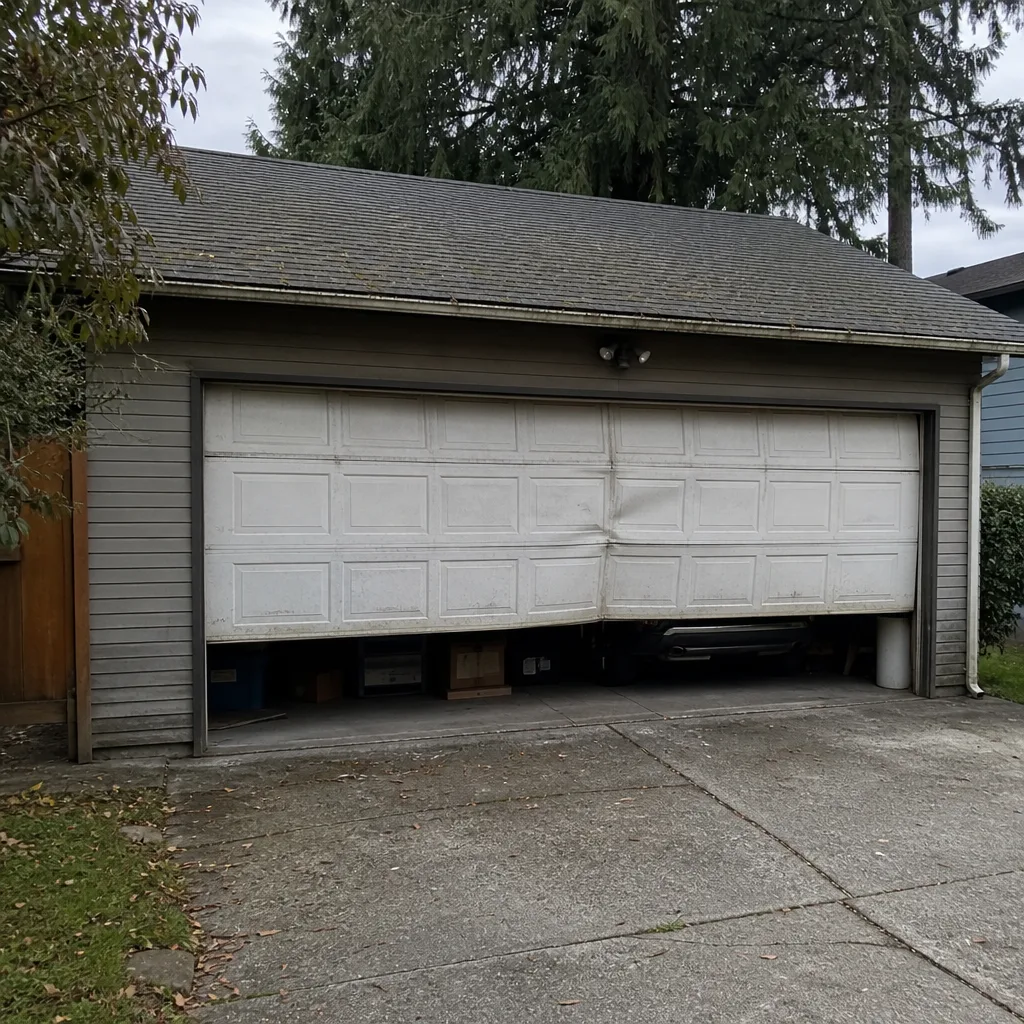
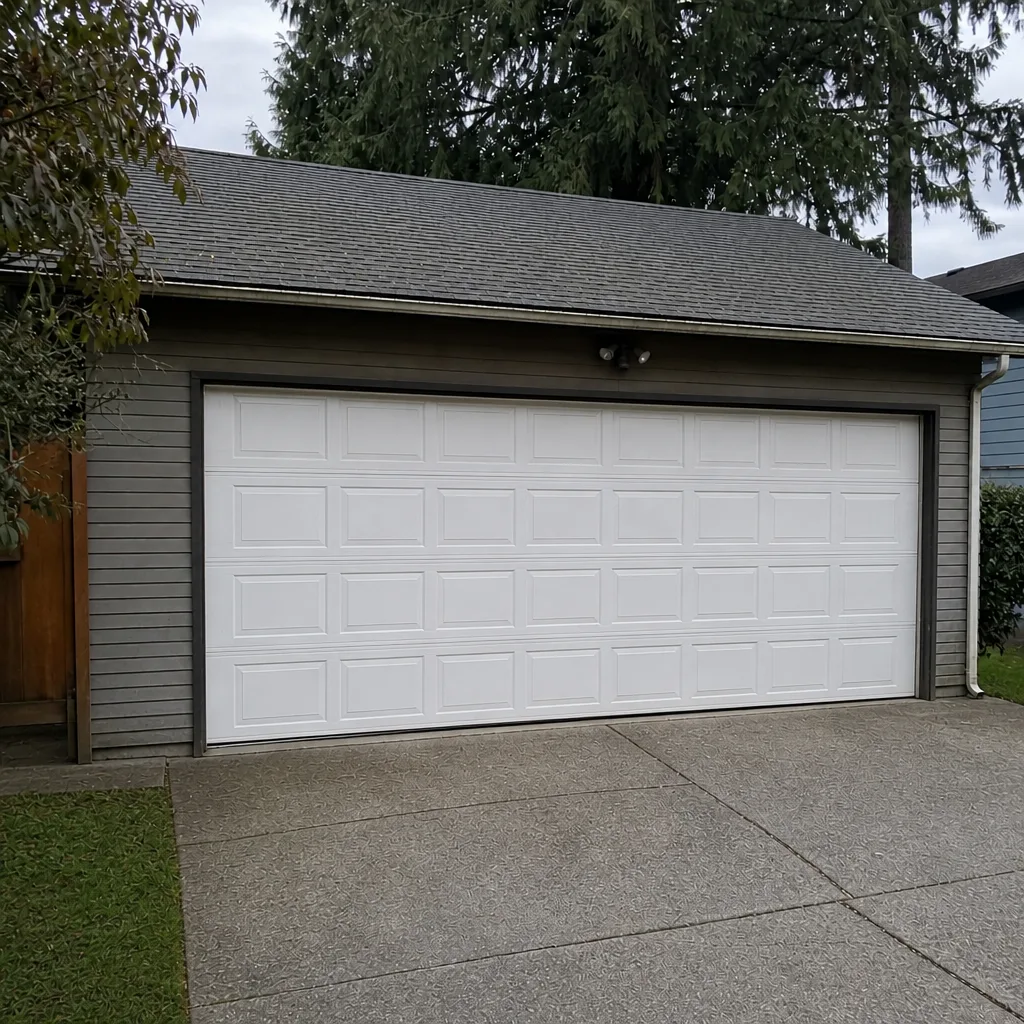
See the difference
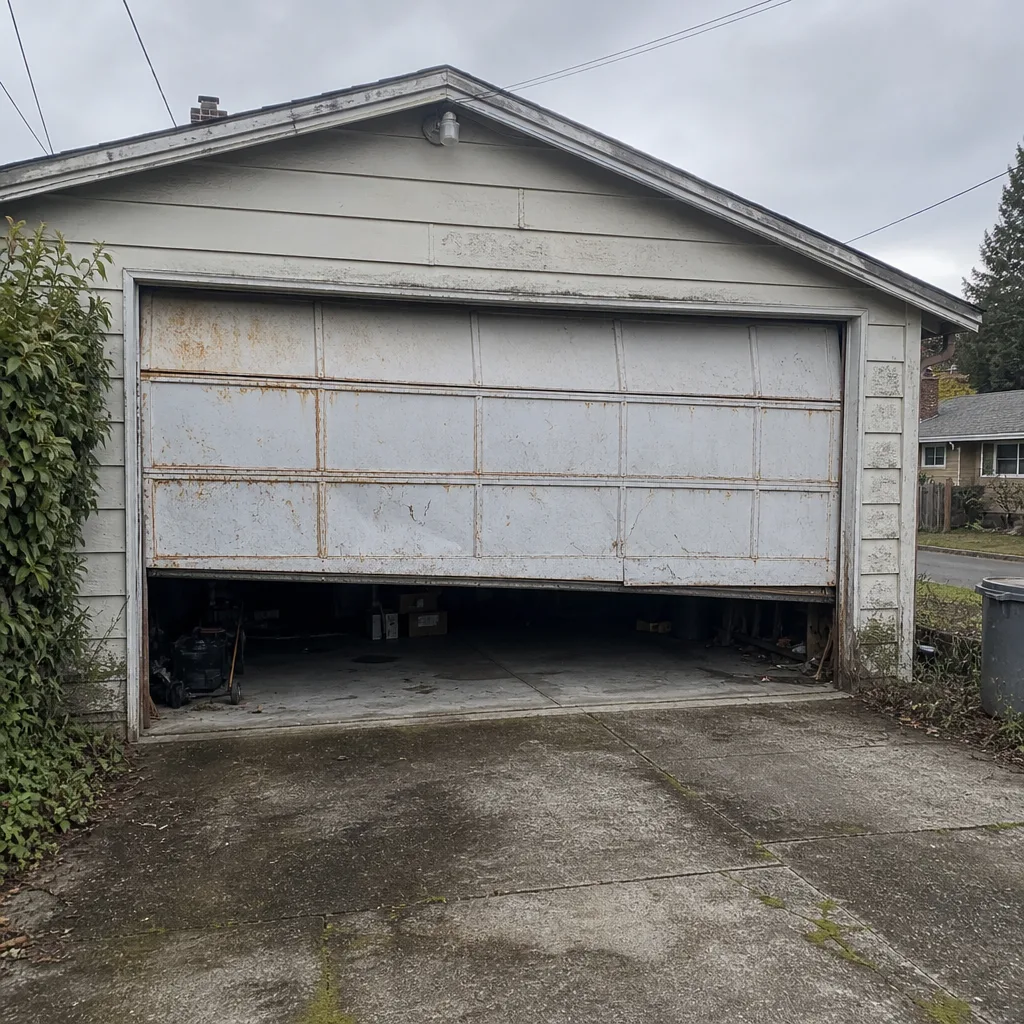 Before
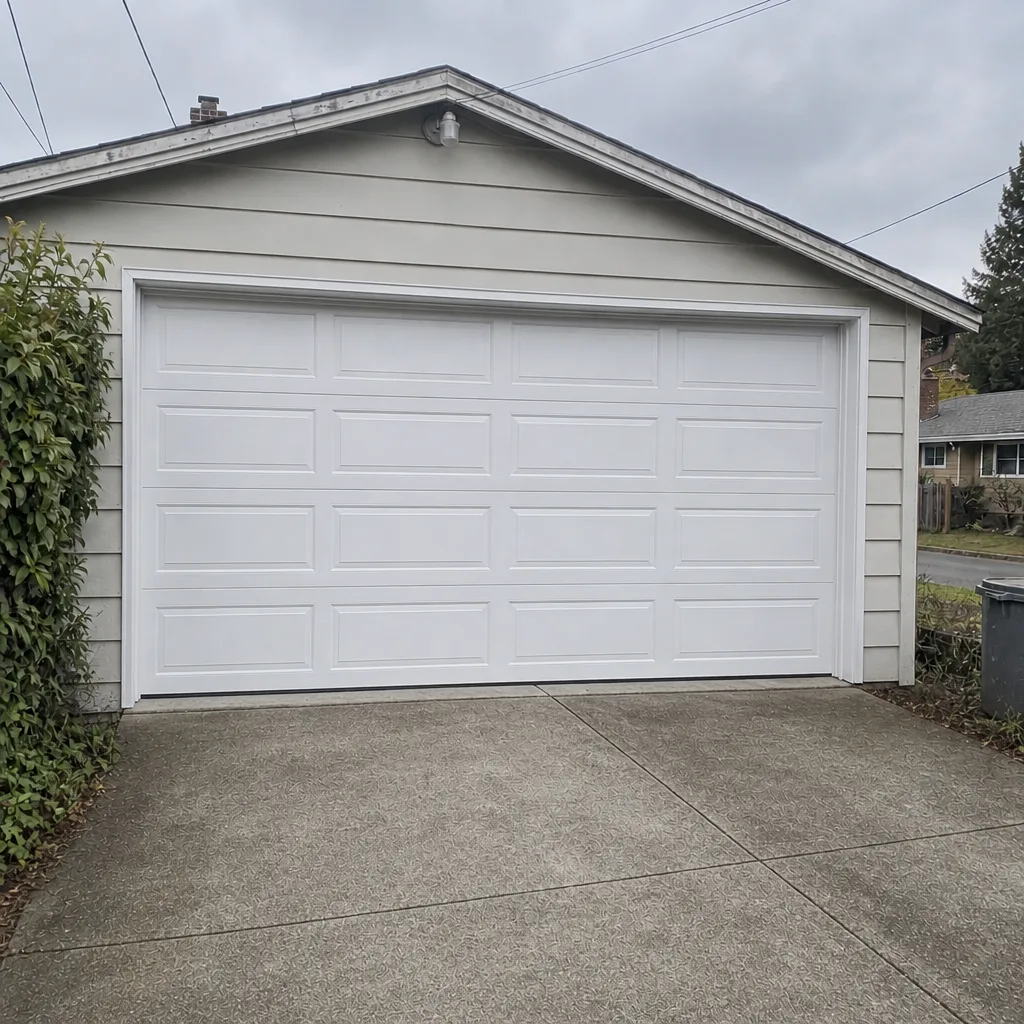 After
 Before
 After
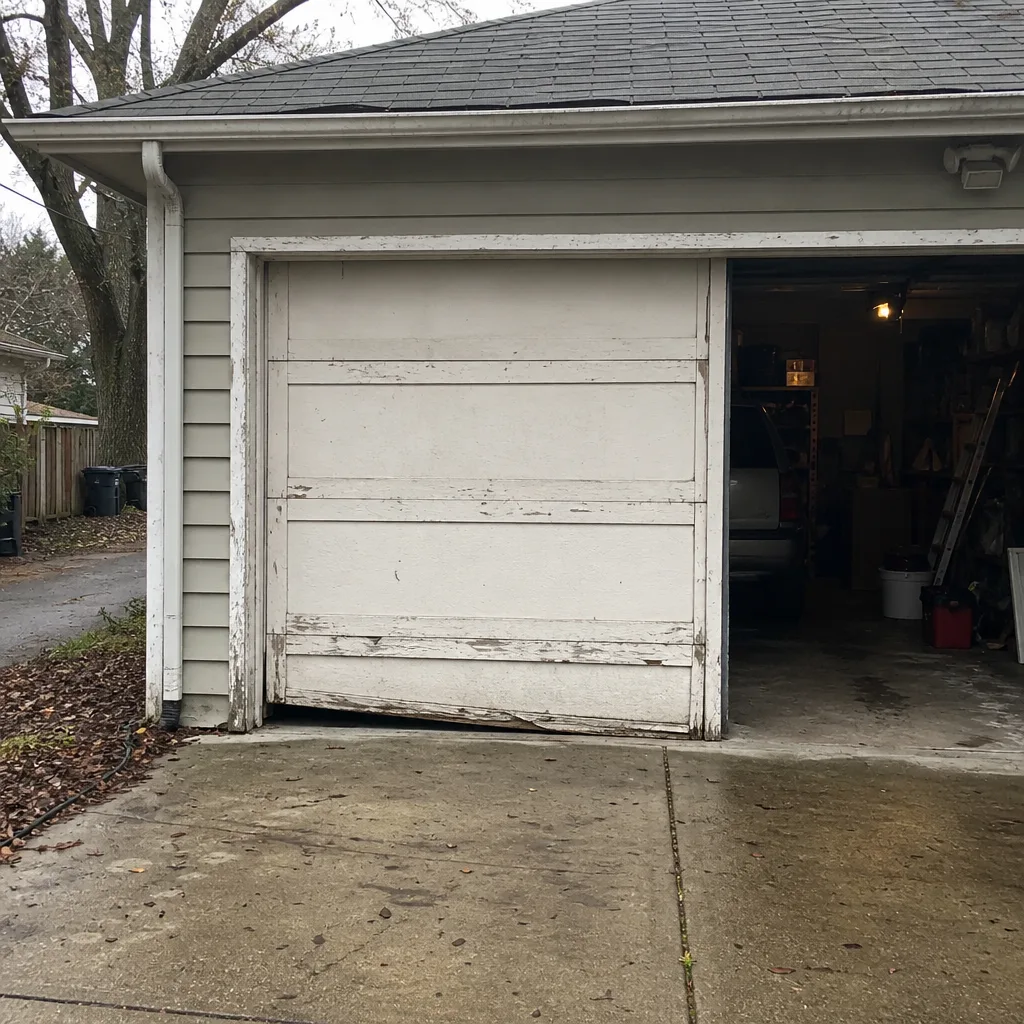 Before
 After
When to Call a Professional
Brand choice is one thing. Knowing when to hand it off is another. If your current door is stuck, sagging, noisy, or refuses to close, a professional evaluation will tell you whether it’s a repair or a replacement call. Garage springs, cables, and openers all carry injury risk when handled without proper tools and training. Torsion springs in particular store energy in a way that can hurt or worse if a DIY attempt goes wrong. We’d rather you call than risk it. Garage Door Repair Green Lake offers free estimates in Green Lake. If you’re weighing a repair against a new door, call (866) 429-4392 and we’ll tell you which one actually makes sense for your garage. Our technicians have up to 13 years of experience across every major brand and every repair type.
Frequently Asked Questions
There’s no single best brand for Green Lake. The right brand depends on five criteria: insulation R-value suited to a damp climate, corrosion resistance, parts availability in the Seattle market, opener compatibility, and clean warranty terms. Clopay, Amarr, Wayne Dalton, Raynor, and CHI all make doors worth considering, so match the model to your criteria rather than picking a logo. Call (866) 429-4392 for a free estimate and an honest recommendation.
Yes. A 24-gauge steel door is thicker than a 25-gauge door, which resists dents, keeps hardware under less stress, and gives more material against corrosion when the coating gets nicked. In a humid climate like Green Lake’s, that one-gauge difference has a meaningful effect on longevity. Ask for the gauge in writing in your quote, then ask us to compare models for your garage. Call (866) 429-4392 for a free estimate.
Not automatically. Each makes doors across a wide range of gauges, insulation levels, and price points, so the specific model matters more than the brand. Clopay has broader distribution and model variety, Wayne Dalton is common on newer construction in this region, and Amarr tends to be a strong value. Compare the actual model against your five criteria, not the brand name. Call us for an unbiased comparison.
Not if we’ve quoted a specific door model. The price we quote is based on the door you select and the install or repair scope we agree on before work starts, and the written estimate sets the final price. If something changes materially once we see the job, we’ll tell you before doing anything, not after. Call (866) 429-4392 for a free estimate that holds.
We work across Clopay, Amarr, Wayne Dalton, Raynor, CHI, and several other major lines, so in most cases the answer is yes. If you’ve been pitched a specific brand by a single-line dealer, we can give you an honest read on whether that door fits your criteria. Check that your chosen brand has parts support in the Seattle area before committing. Call (866) 429-4392 to discuss options.
Door lifespan depends on gauge, insulation, coating quality, and maintenance more than on brand. A well-chosen insulated door with good gauge and annual lubrication of hinges and rollers tends to serve far longer than a light pan door subjected to the same weather. When we quote a door, we can estimate realistic service life for the specific model. Call for a free estimate and a straight answer.
The Bottom Line
The best garage door brand for your Green Lake home isn’t the most advertised one. It’s the one that meets five criteria: insulation suited to a damp climate, corrosion resistance, parts availability in the Seattle market, opener compatibility, and a warranty that holds up under its own fine print. Clopay, Amarr, Wayne Dalton, Raynor, and CHI all make doors that can meet these criteria, and the specific model matters more than the logo. A single-brand dealer will always recommend their brand. A specialist will tell you which door actually fits. That’s what we do: repair, opener work, new installation, and parts supply, across every major brand Green Lake homeowners own.
Written by the team at Garage Door Repair Green Lake.