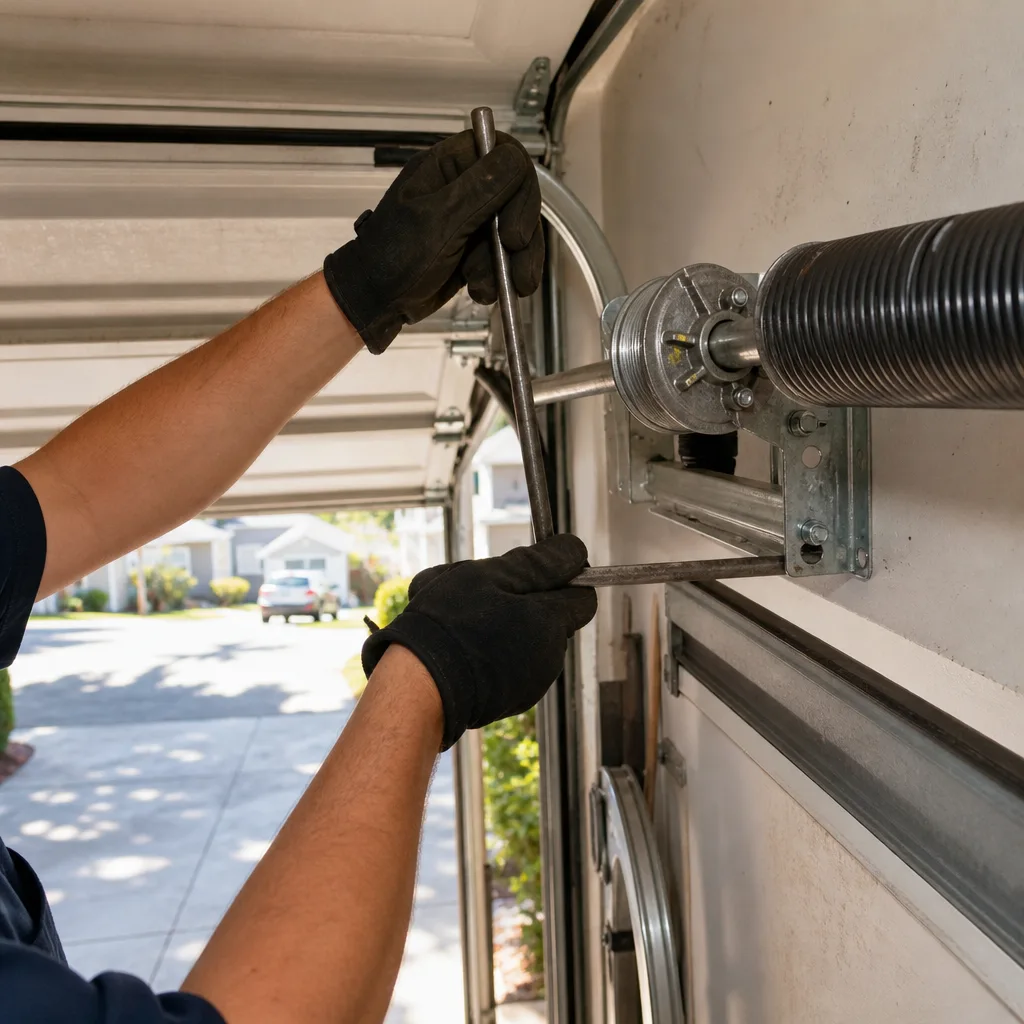
Last updated November 21, 2026
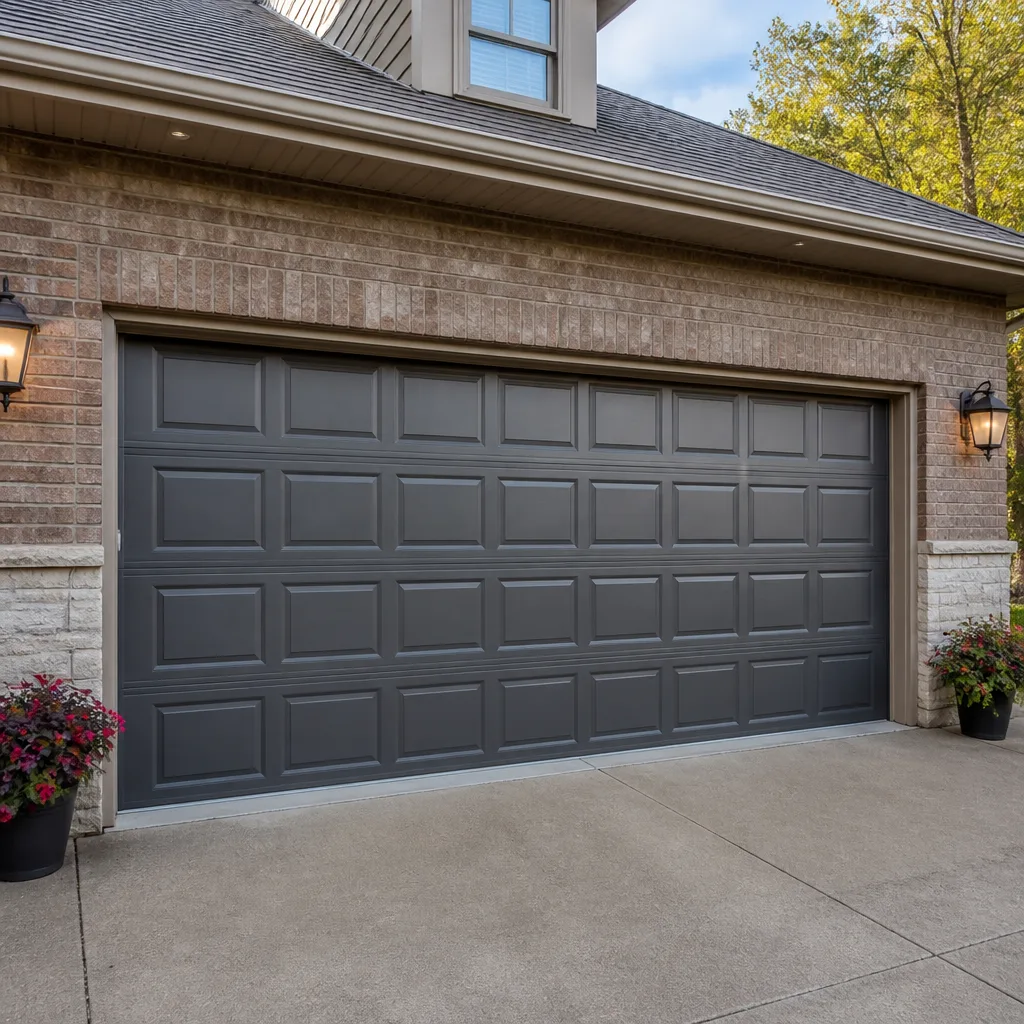 Raised-panel steel
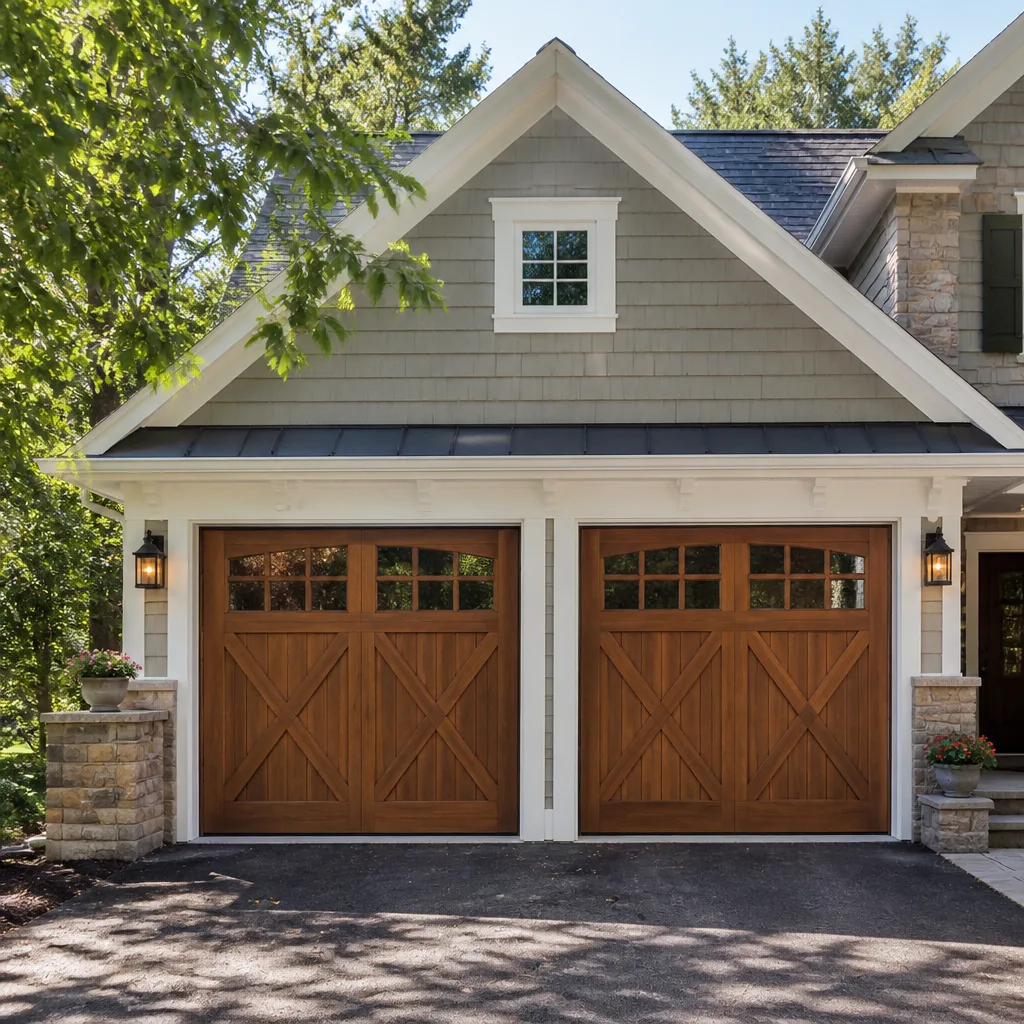 Carriage house
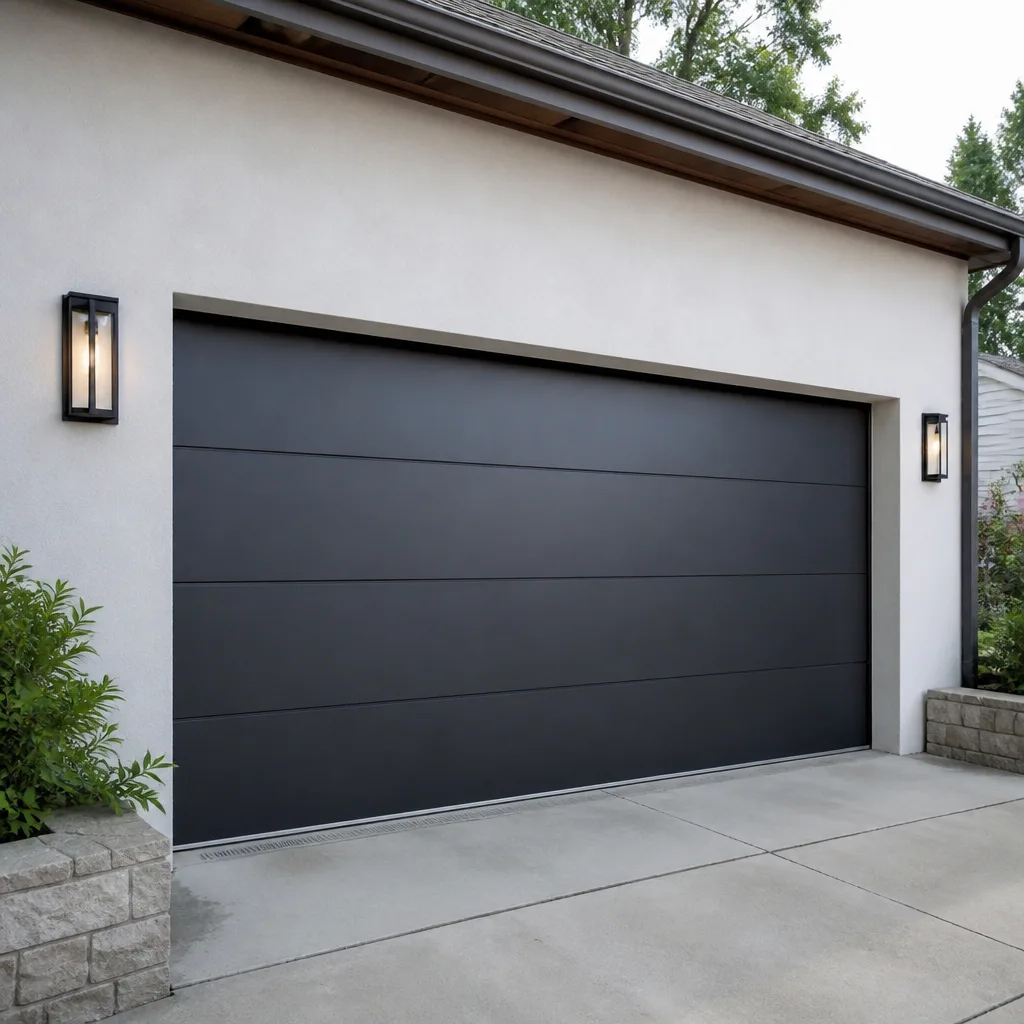 Modern flush
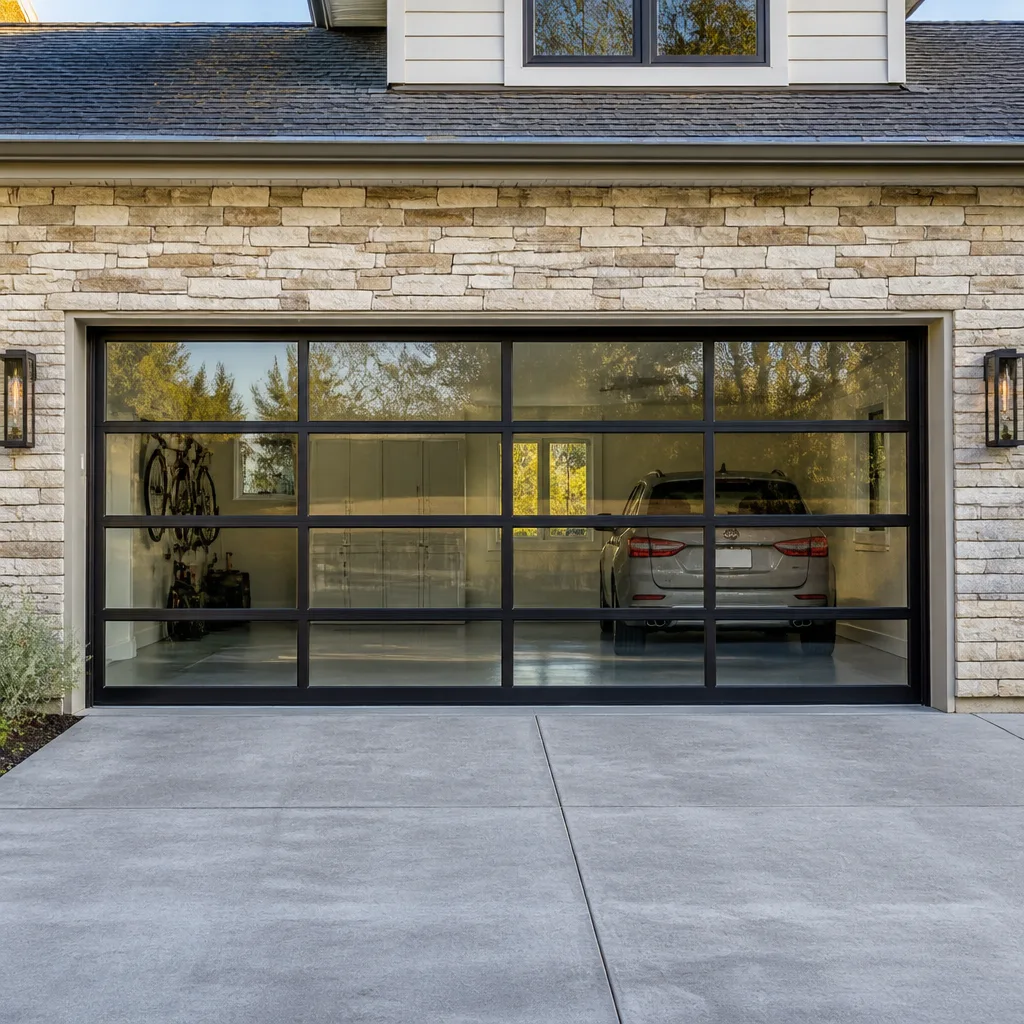 Full-view glass
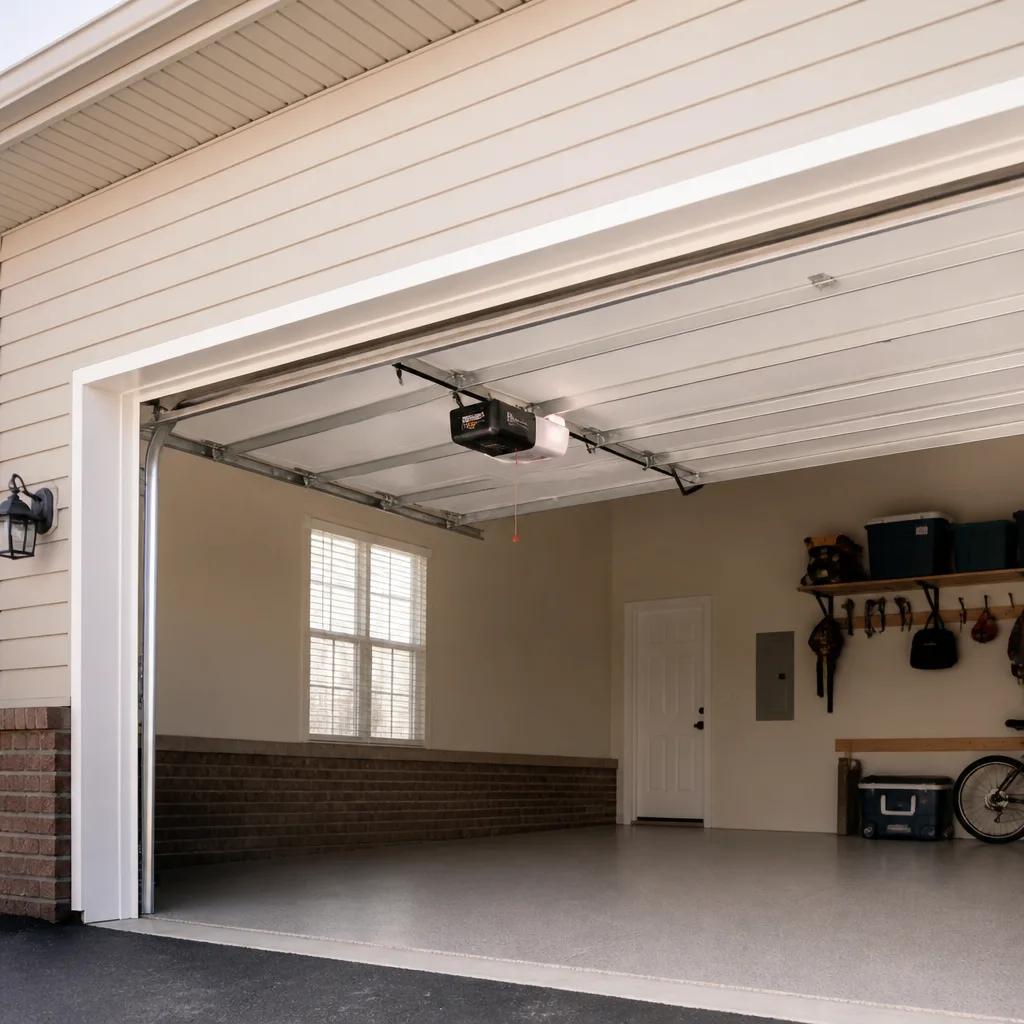 LiftMaster openers
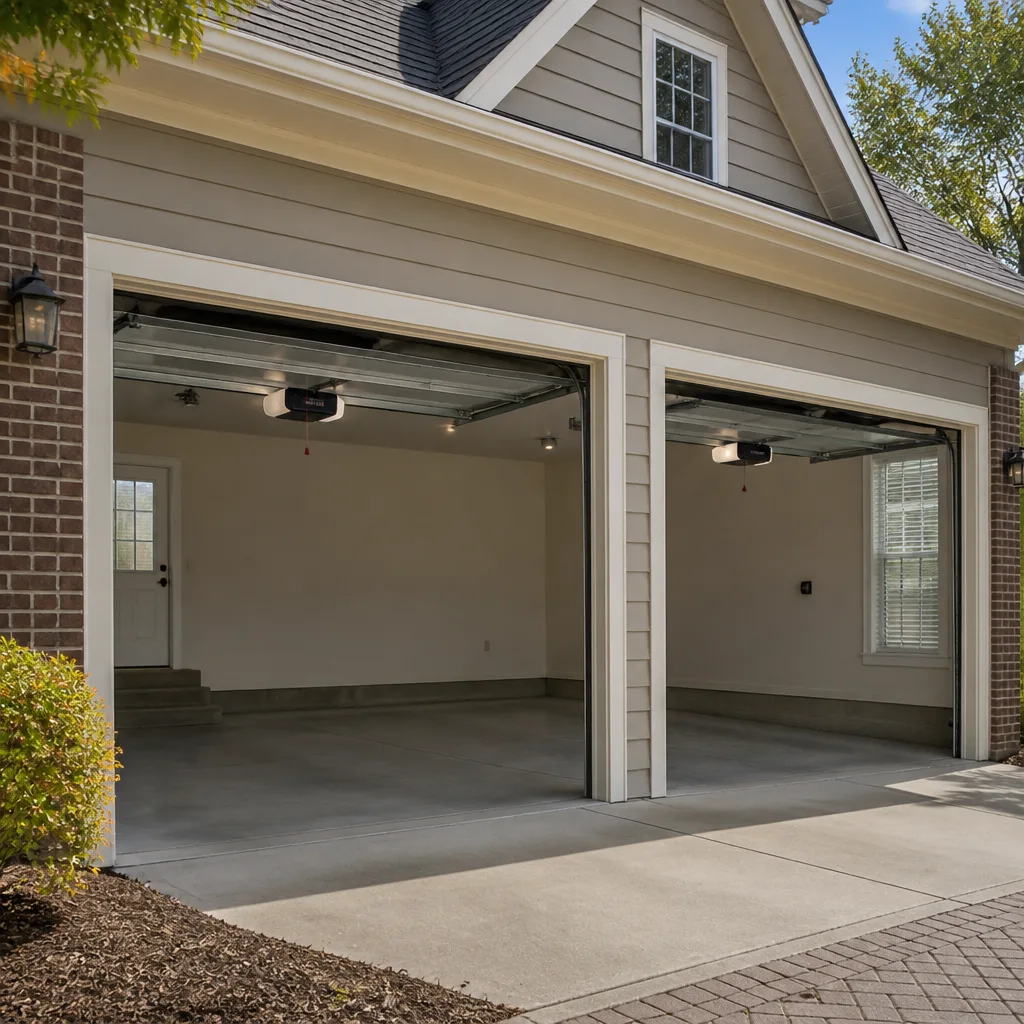 Chamberlain openers
Full 25-point door and opener safety check with every visit - springs, cables, rollers, tracks, and your LiftMaster or Chamberlain opener included
You get a price before we start. It does not change when the pro arrives.
Get your free estimateDIY vs Professional Garage Door: The Green Lake Homeowner’s Decision Guide
Search for advice on fixing your own garage door and you’ll find two camps yelling past each other. One says you can fix anything yourself with a screwdriver and a free afternoon. The other treats every garage door as a live explosive. Neither is right, and both leave Green Lake homeowners worse off. The truth sits in the middle: a torsion spring under full tension stores enough energy to break a wrist or worse, but replacing a weatherstripping seal or reprogramming a smart opener is well within reach for anyone who can follow instructions. This guide sorts garage door work into three honest buckets – do it yourself, do it with care, and never touch it – and shows you where the real costs hide.
Quick Answer
Most garage door maintenance and smart-opener setup is safe to do yourself, but anything involving torsion springs, cables, or the door’s balance and track alignment belongs to a trained professional. The dividing line isn’t your confidence level – it’s whether the component stores dangerous tension or holds the full weight of the door. In Green Lake, the jobs that go wrong most often are the ones homeowners started because a video made them look easy.
Styles & brands we work with
- Raised-panel steel
- Carriage house
- Modern flush
- Full-view glass
- LiftMaster openers
- Chamberlain openers
Table of Contents
- Which Garage Door Jobs Are Safe to DIY?
- Why Torsion Springs Are Different From Every Other Repair
- DIY vs Professional: The Honest Cost Comparison
- What Green Lake Homeowners Underestimate: Diagnosis vs Symptom
- How to Be a Smart DIY-Adjacent Homeowner
- How Green Lake Weather Affects Your Door
- Common Mistakes to Avoid
- When to Call a Professional
Which Garage Door Jobs Are Safe to DIY?
The internet tends to treat garage door work as all-or-nothing. In our experience, that’s the wrong frame. Garage door systems have components that carry zero stored energy and components that carry enough to injure you badly, and they sit inches apart on the same door. Knowing which is which is the whole game.
Here’s how we classify the work, and we’d give a Green Lake homeowner the same list over the phone.
Safe to DIY (basic tools, no stored tension)
- Replacing weatherstripping and bottom seals. These are rubber or vinyl strips that slide into a channel or nail to the frame. No tension, no weight hazard.
- Reprogramming a remote or keypad. Whether it’s a LiftMaster, Chamberlain, or Genie unit, this is a button sequence done at the motor head with the door stationary.
- Connecting a smart opener to Wi-Fi. Follow the app instructions. The worst outcome is a factory reset.
- Lubricating rollers, hinges, and tracks. A garage-door-specific lubricant on metal contact points quiets a squeaky door and slows wear.
- Cleaning photo-eye lenses. A dirty safety sensor is behind more “door won’t close” calls than any mechanical failure.
- Tightening loose hinge and bracket bolts. Hand-tight with a socket wrench, never over-torqued.
DIY with care (basic tools, but watch the weight and alignment)
- Replacing a single roller. Doable if the door is fully closed and you support the panel. Rollers wear out and a rough-rolling door strains the opener.
- Adjusting the opener’s travel limits and force settings. These are dials or menu settings on the motor, but setting them wrong can make the door reverse on an obstacle that isn’t there or fail to reverse on one that is.
- Replacing a wall-mounted push button or wiring a new one. Low voltage, straightforward, but confirm the breaker is off before you touch the terminals.
- Straightening a slightly bent track section. Only if the door is fully down and the bend is minor. A track that’s out of plumb is a different job.
Never DIY (stored tension or full door weight)
- Torsion spring replacement or adjustment. This is the one. More on it below.
- Extension spring replacement. Same category of stored energy, different geometry.
- Cable replacement. Cables are under tension and can whip when released.
- Replacing bottom brackets or the center bearing plate. Both are attached to springs under load.
- Replacing a full section panel on a door with springs. The door has to be de-tensioned first.
- Re-hanging a door that has come off its track. The door’s weight is unpredictable once it’s off the rails.
If your task lands in the third list, stop. No video, no forum thread, and no borrowed tool kit changes the physics. Our garage door repair team handles that work with the right winding bars and door blocks, and we’ll tell you plainly when a job is bigger than it looks.
Why Torsion Springs Are Different From Every Other Repair
A torsion spring is not a stiff piece of metal you can muscle through. It’s a coiled energy storage device, and when it’s wound to hold up a door, it’s storing hundreds of pounds of force. That’s the entire reason the DIY line falls where it does.
Here’s what makes it categorically different from replacing a faucet cartridge or hanging a new light fixture:
- The energy doesn’t announce itself. A wound spring looks like a still, quiet cylinder. Nothing about it signals that releasing it wrong can snap a winding bar across a garage.
- There’s no partial credit. You don’t get to wind it “a little” and check. The spring has to be set to a specific tension matched to your door’s weight, or the door won’t balance and the opener will labor.
- The tools are specialized for a reason. Winding bars exist because a screwdriver or a piece of rebar will slip out of the winding cone under load. The pros use bars for the same reason electricians use insulated tools.
- Two springs, one balance. Most doors have a matched pair. If one breaks, the other is carrying uneven load and usually should be replaced at the same time. Doing one and leaving the other is how you end up back on the phone.
We’re not being dramatic when we say spring repair is the one garage door job where a confident homeowner gets hurt. It’s the single most common serious injury in this trade, and it happens to people who watched a video and felt ready. This isn’t a skill question. It’s a physics question, and physics doesn’t care how handy you are.
That said, we don’t want Green Lake homeowners to think every garage door task is dangerous. It isn’t. Replacing a bottom seal on a Sunday morning is fine. Winding a torsion spring is not, and it never will be. When your spring snaps, the right move is a call, not a trip to the hardware store. Our Garage Door Repair Green Lake team treats spring work as a core service, and we’d rather quote it than patch a DIY injury.
DIY vs Professional: The Honest Cost Comparison
The DIY math most people run is parts price versus service price. That’s not the real math. The real math includes tools you’ll buy once, parts at retail rather than trade price, and the callback if the first attempt doesn’t take. Here’s the comparison we’d walk a Green Lake homeowner through.
| Job | DIY Path | What It Really Costs You |
|---|---|---|
| Bottom seal replacement | Seal from a hardware store plus a few minutes | Genuinely cheap. This one’s a real DIY win. |
| Roller replacement (all rollers) | Roller set plus a socket wrench | Reasonable, unless the door needs re-tensioning afterward. |
| Photo-eye cleaning or realignment | Free | Free. Start here before you call anyone. |
| Smart opener programming | Free if the app cooperates | Free, or an hour on hold with tech support. |
| Opener motor or logic board failure | Replacement unit plus wiring | Retail unit price, plus the risk of buying the wrong model for your door. |
| Cable replacement | Not recommended at any price | Injury risk plus a door that may not hang correctly afterward. |
| Torsion spring replacement | Do not attempt | Winding bars, springs at retail, and genuine injury risk. Not worth the savings. |
| Full door replacement | Not a realistic DIY job | Panel, track, and spring system all need to work together. |
The pattern is obvious once you lay it out. The cheap DIY wins are the low-energy jobs. The jobs where DIY “saves” the most money are the jobs where the failure cost is highest. A spring replacement that goes wrong is not a money-saver. And a parts purchase that doesn’t fit your door is money spent with nothing to show.
The other hidden cost is diagnostic. If your door won’t open, the first DIY attempt often replaces the most obvious suspect. If it turns out the opener was fine and the spring was the problem, you’ve now paid for a part you didn’t need and still need the actual fix. A professional estimate tells you the real cause before you spend anything on parts. If you want to compare, our garage door opener repair estimates are free, and we’ll tell you honestly whether the opener or the door mechanism is at fault.
What Green Lake Homeowners Underestimate: Diagnosis vs Symptom
The single biggest thing we see homeowners underestimate isn’t the difficulty of the repair. It’s figuring out which repair to do. A garage door is a system, and one symptom can point to four different causes.
A door that won’t open or close
Could be a snapped spring, a stripped opener gear, a failed logic board, a remote that’s lost its programming, a tripped breaker, or a photo-eye that’s misaligned by a quarter inch. Replacing the opener when the real problem is a spring is a common and expensive mistake. A quick diagnostic saves that spend.
A door that opens a foot then reverses
Usually a travel limit set too short, but sometimes a binding track or a door that’s out of balance because the springs are weakening. The fix differs sharply between those two, and guessing wrong doubles the work.
A door that’s noisy
Rollers, hinges, and track misalignment all produce similar sounds. So does a failing bearing plate. A quick inspection tells you which.
A door that’s visibly crooked
One side higher than the other means the springs are uneven or a cable has slipped. That’s a professional diagnosis, not a roller swap, and it shouldn’t be left alone because a crooked door puts extra load on the opener and the frame.
Here’s a short diagnostic sequence we’d suggest before you call anyone:
- Check the photo eyes. Is there anything in front of them? Is the LED on each sensor solid? A blinking LED usually means misalignment.
- Check the wall switch and remote. Does the wall switch work when the remote doesn’t? That isolates the problem to the remote or the receiver, not the door.
- Check the breaker. An opener on a dedicated circuit can trip without tripping anything else.
- Look at the spring. A clearly broken torsion spring shows a visible gap in the coil. Do not touch it. If you see a gap, you’ve found the problem and you’re done diagnosing.
- Try the manual release. Lift the door by hand with the opener disengaged. If it’s very heavy on one side or won’t stay open on its own, the springs are the issue.
- Write down what you found. This saves time on the phone and helps whoever you call arrive prepared.
That kind of prep is the smart middle ground: you’ve done the homework without touching a hazardous part. For deeper diagnostics, our garage door installation team can also tell you whether an aging door is worth repairing at all.
How to Be a Smart DIY-Adjacent Homeowner
There’s a version of DIY garage door ownership that saves real money without any injury risk: prep, documentation, and maintenance. We’d rather see a Green Lake homeowner do this well than take a swing at a spring.
Prep work that lowers your bill
- Clear the garage floor. A tech who can walk around the door saves time, and a clean floor prevents the “I can’t get to the track” call.
- Note the model numbers. Openers have a model plate on the motor housing. Doors have a manufacturer label on the inside. Whether it’s a Raynor door or a Chamberlain opener, the number tells us what we need.
- Write down the symptoms in order. “It closed halfway, reversed, then wouldn’t close at all after I pressed the wall switch” is worth ten minutes on the phone.
- Take a short video. Seeing the door move tells us more than a paragraph ever could.
Maintenance that reduces repair calls
- Lubricate the moving metal parts with a garage-door-specific spray once or twice a year. Not WD-40. It’s a cleaner, not a lubricant, and it attracts grit.
- Wipe the photo eyes when you wipe the lens of anything else in the garage. A dirty eye is the most common cause of a door that won’t close.
- Listen for changes. A door that used to be quiet and now grinds is telling you a roller or bearing is wearing. Catching it early is cheaper than catching it after a track has bent.
- Test the safety reverse monthly. Put a piece of wood on the floor under the door and close it. The door should reverse on contact. If it doesn’t, get it looked at.
- Check the balance by hand twice a year. Disengage the opener, lift the door halfway, and let go. A balanced door stays put. A door that drops or rises is due for a spring check.
Every one of those tasks is safe, takes minutes, and extends the life of the door. None of them require winding bars. That’s the trade-off a smart homeowner makes: hands on the safe parts, eyes on the whole system, and a real diagnostic call when something electronic or tension-driven starts behaving oddly.
How Green Lake Weather Affects Your Door
Green Lake’s wet, damp stretches and temperature swings are hard on garage doors in specific ways, and knowing them helps you spot wear before it becomes a repair.
- Seals and weatherstripping dry and crack faster than they would in a drier climate. That’s why seal replacement is the most common DIY task we recommend here.
- Metal tracks can rust at the fasteners when moisture sits on them through a wet winter. Wiping and lubricating is the fix, not replacement.
- Wood and wood-composite doors swell slightly in humid stretches, which can make a door bind in its tracks for a few days. If binding persists after a dry spell, it’s a track or balance issue, not a humidity one.
- Springs are worked harder with repeated seasonal temperature change, because the metal cycles through expansion and contraction. That’s one reason we recommend a balance check twice a year, not once.
None of that is beyond a homeowner. It’s the kind of seasonal attention that turns a $400 repair into a $40 job thrown away. Our team in Green Lake sees the pattern often enough to ask the same questions on every call, and a homeowner who’s already watched for these signs gets a faster, more accurate answer.
Common Mistakes to Avoid
- Replacing parts before diagnosing the cause. The most common mistake we see. A wouldn’t-open door is often a spring, not an opener, and buying the wrong part costs you twice.
- Trying to wind a torsion spring after watching one video. This is the one mistake that can send a Green Lake homeowner to the hospital. The spring is wound to hundreds of pounds of force. There is no safe version of this job for an untrained homeowner.
- Buying a replacement opener without checking your door’s weight and dimensions. An opener sized for a light single-car door will burn out on a heavy two-car door. Model compatibility matters more than brand.
- Using WD-40 as a roller lubricant. It cleans, it doesn’t lubricate, and it leaves a film that attracts grit. Use a garage-door-specific lubricant.
- Adjusting the opener’s force setting to “fix” a door that won’t close. The force setting is a safety feature. Turning it up to force a binding door closed disables the protection that stops the door on an object – or a person.
- Ignoring a single broken spring. On a two-spring door, running the opener with one spring places all the load on the other, which usually fails soon after. A matched pair is the right fix.
- Disconnecting the opener to “test” the door by hand and letting it drop. An unbalanced door can come down hard and fast. Test the balance with the door partly lifted and your hand clear of the bottom section.
When to Call a Professional
Call a professional any time a torsion spring, extension spring, or cable is involved. Call when the door won’t open, won’t close, or reverses on its own. Call when you see a visible gap in a spring coil, hear a loud bang from the garage, or find the door crooked in its tracks. Call when your opener hums but the door doesn’t move, when a LiftMaster or Chamberlain wall panel shows an error code you can’t clear, or when a new opener needs to be programmed to a door it didn’t come with. Call before you replace a part you’re not sure is failing. Garage Door Repair Green Lake offers free estimates in Green Lake – call (866) 429-4392, and we’re open Sunday through Friday, 7am to 7pm.
See the difference
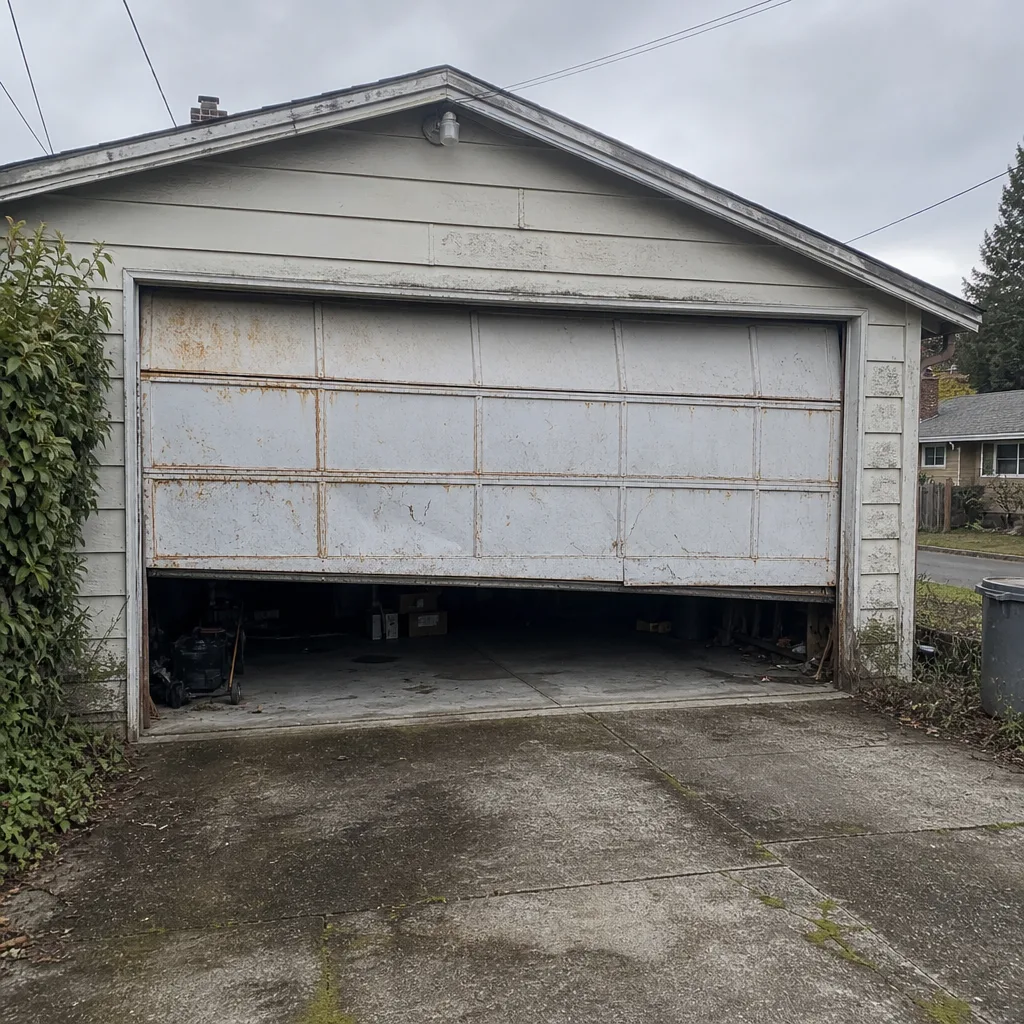 Before
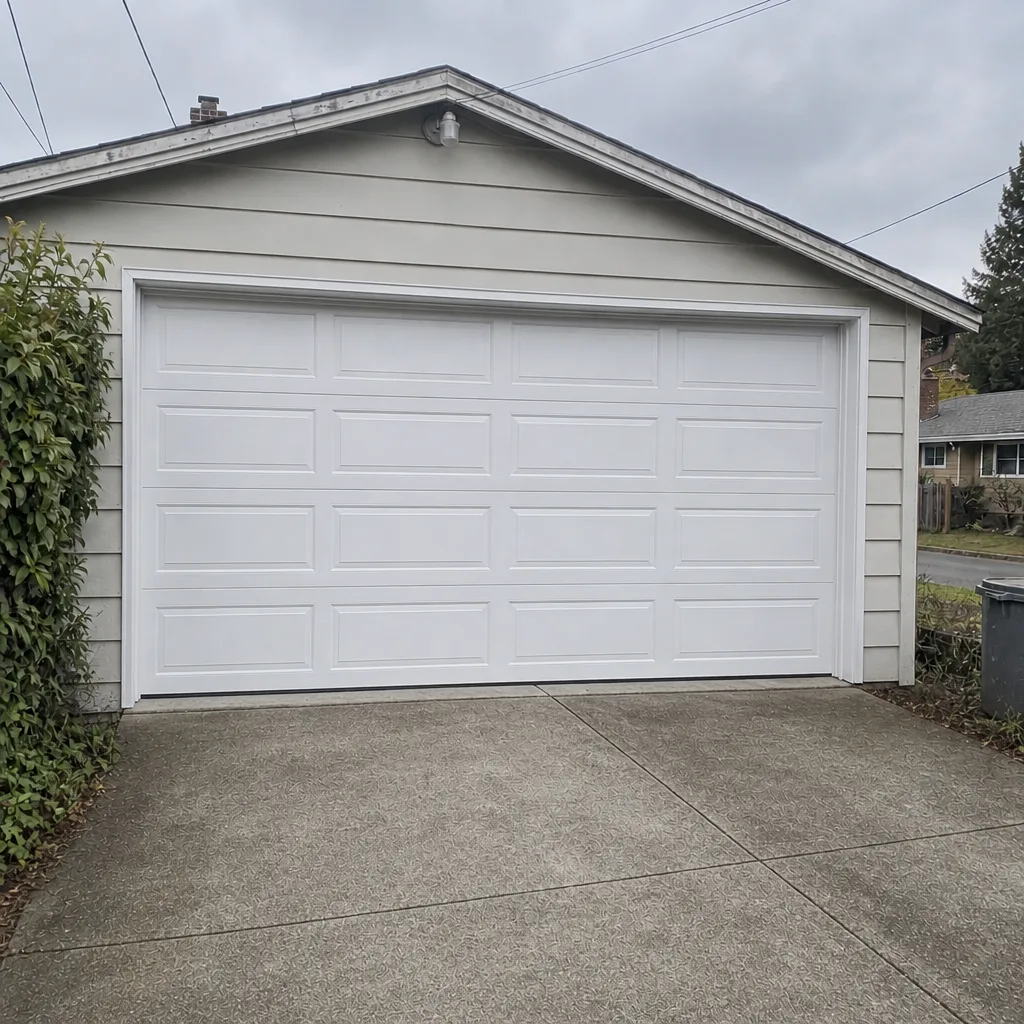 After
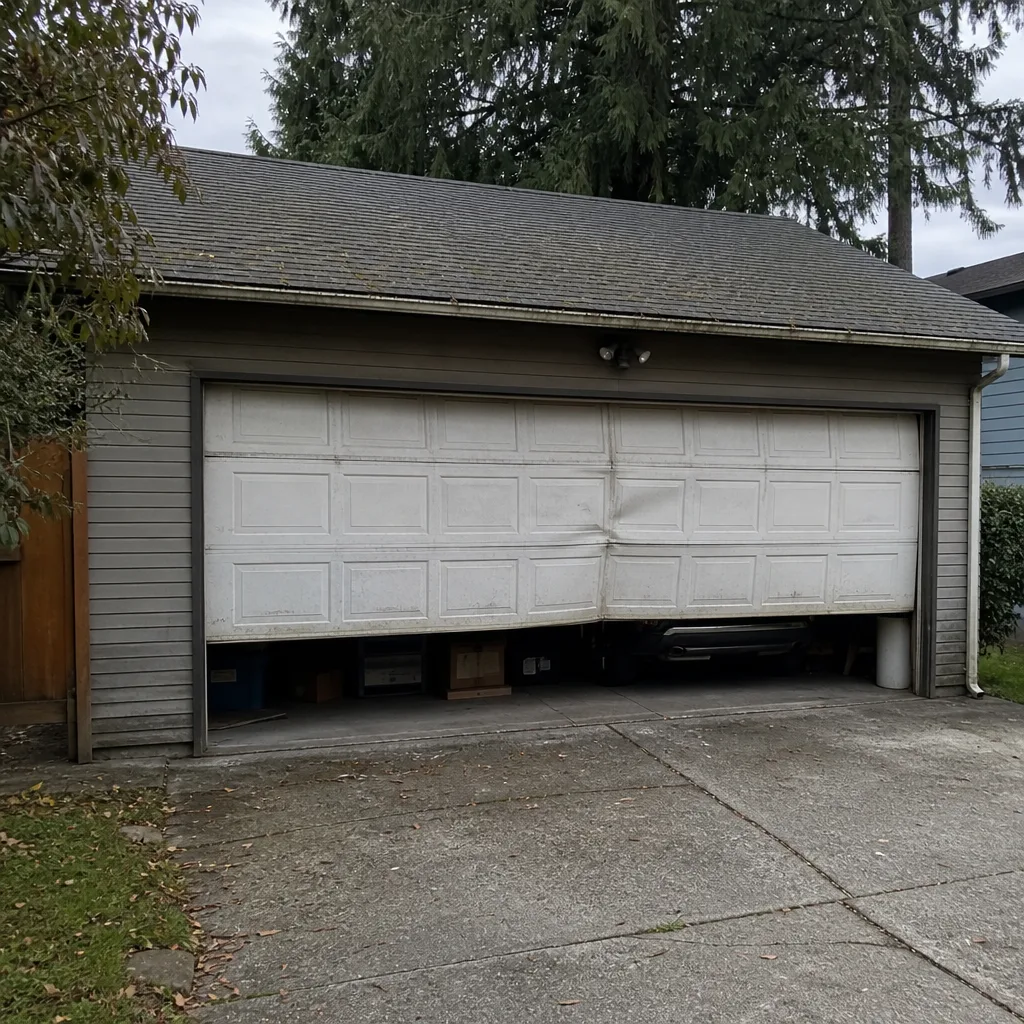 Before
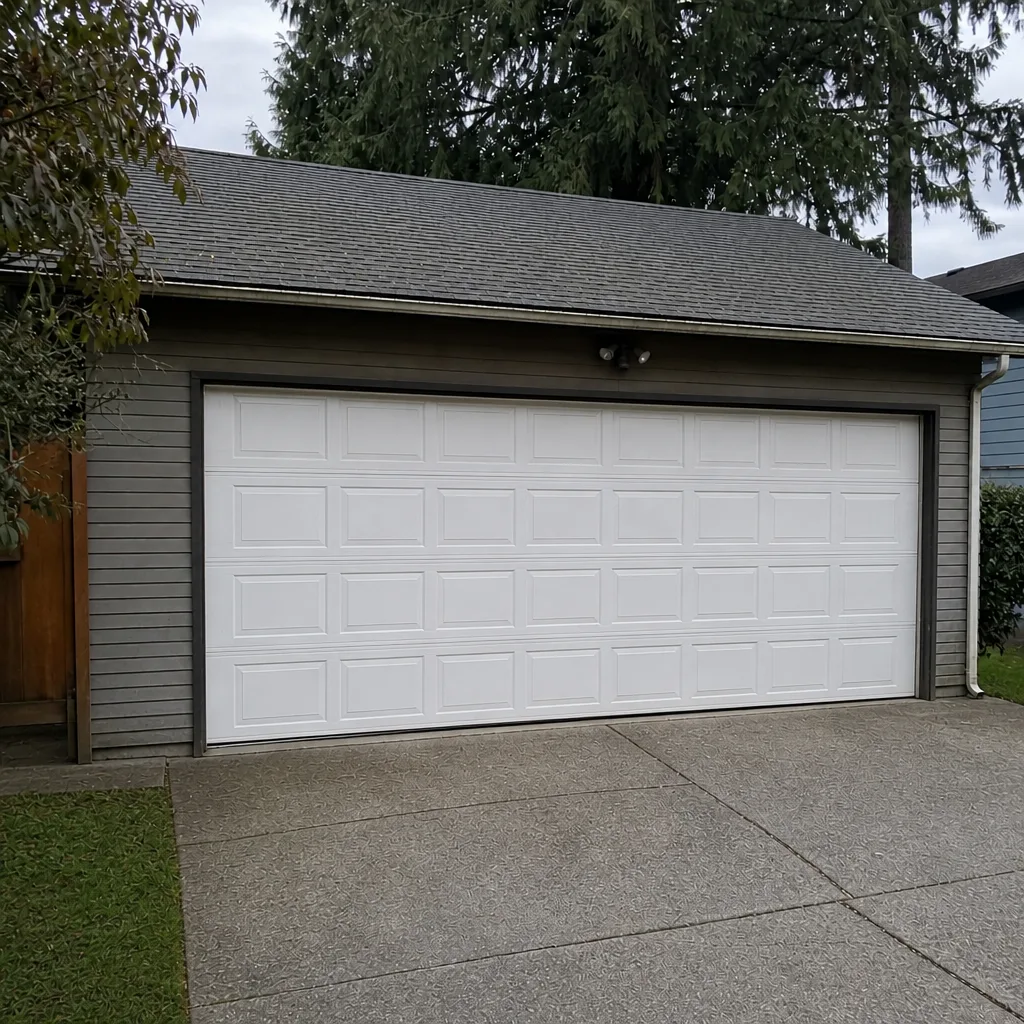 After
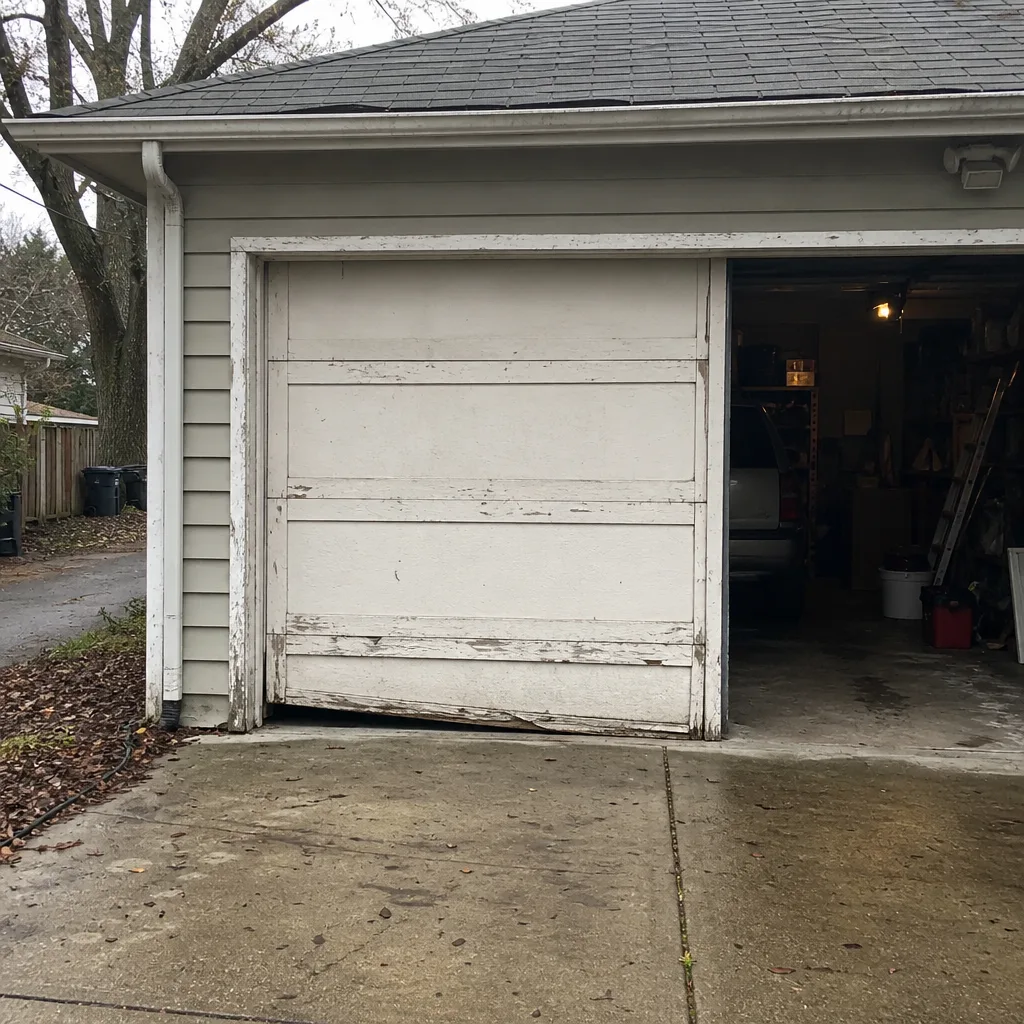 Before
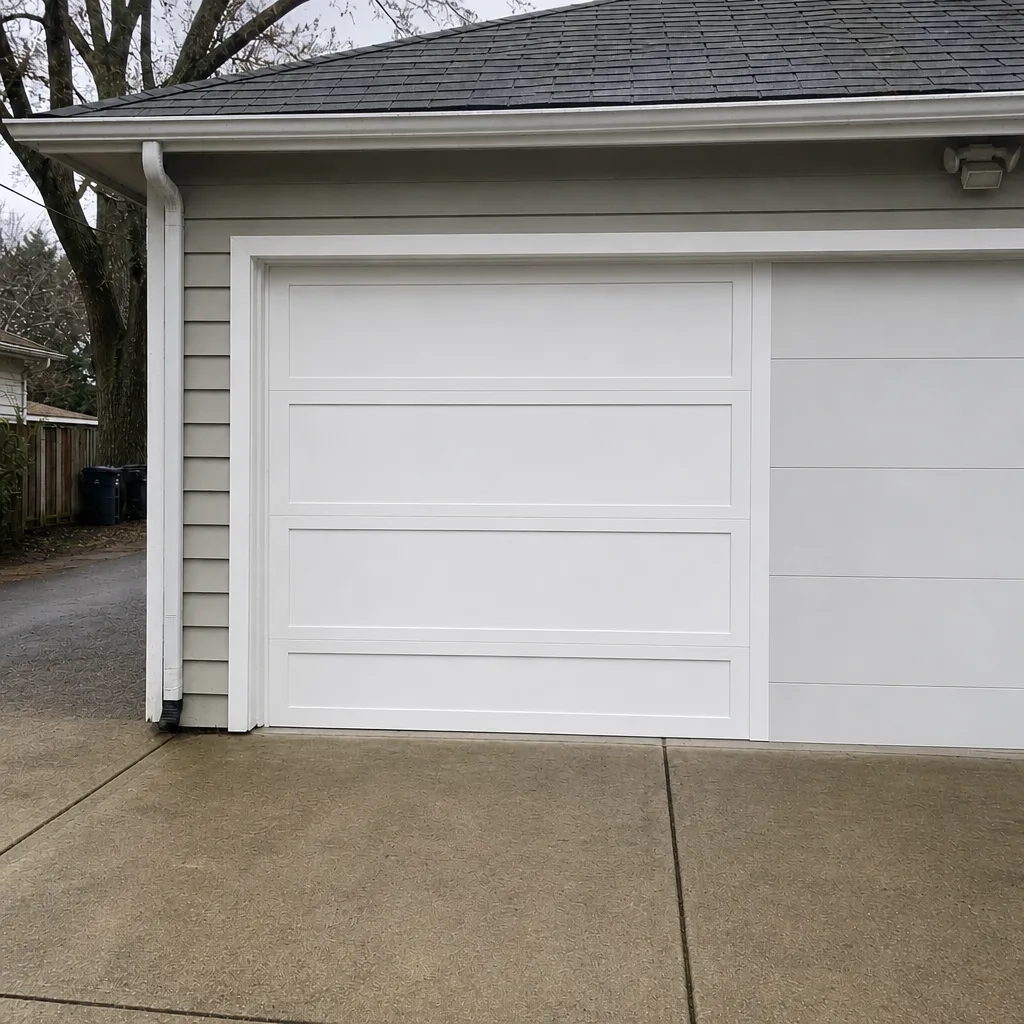 After
Frequently Asked Questions
No. Torsion spring replacement is the one garage door job that isn’t a skill question but a safety question, because the spring stores hundreds of pounds of force and a winding bar that slips releases it instantly. The correct move is to leave the spring alone and call a trained technician. Call (866) 429-4392 for a free estimate on spring repair in Green Lake.
Try the manual release, lift the door by hand, and see if it balances. If the door is heavy on one side or won’t stay open on its own, the problem is the door’s springs or balance, not the opener. If the door feels light and balanced but the opener still won’t move it, the issue is electrical or inside the opener. Call (866) 429-4392 and we’ll help you tell the difference before you buy any parts.
Yes, in most cases. Rollers and weatherstripping don’t carry stored tension, and replacing them with the door fully closed is within reach for most homeowners. The one caution with rollers is supporting the door panel while it’s off its track, since the door’s weight is unpredictable once a panel is loose. Call (866) 429-4392 if a roller swap reveals a bigger problem.
We quote by written estimate rather than a flat number, because the price depends on which part failed and the size of the door. We’ll quote and agree the price before any work starts, so there are no surprises on the invoice. Call (866) 429-4392 for a free estimate.
Repair is usually the right call when the door’s structure is sound and one component has failed – a spring, an opener, a panel. Replacement makes more sense when multiple sections are damaged, when the door has come off its tracks repeatedly, or when the opener is older than the door and can’t be trusted with a new one. Call (866) 429-4392 and we’ll tell you which one actually makes sense, without a sales pitch.
We’re closed on Saturday and open Sunday through Friday, 7am to 7pm. If your door fails on a Saturday, call and we’ll get you booked for Sunday. Call (866) 429-4392, and if you’re comparing DIY costs against a professional repair, our estimates are free.
The Bottom Line
Garage door work isn’t a single category: it’s three categories, and the dividing line is stored tension and full door weight. Seals, lubrication, photo-eye cleaning, and smart-opener setup are genuinely safe for a Green Lake homeowner with basic tools. Rollers and travel limits are doable with care. Torsion springs, extension springs, cables, and full-panel work are professional territory, no matter how confident a video makes you feel. The honest cost math favors DIY on the safe jobs and favors a pro on the dangerous ones, every time. When in doubt, our team is a call away: (866) 429-4392, and we’re open Sunday through Friday, 7am to 7pm.
Written by the team at Garage Door Repair Green Lake.