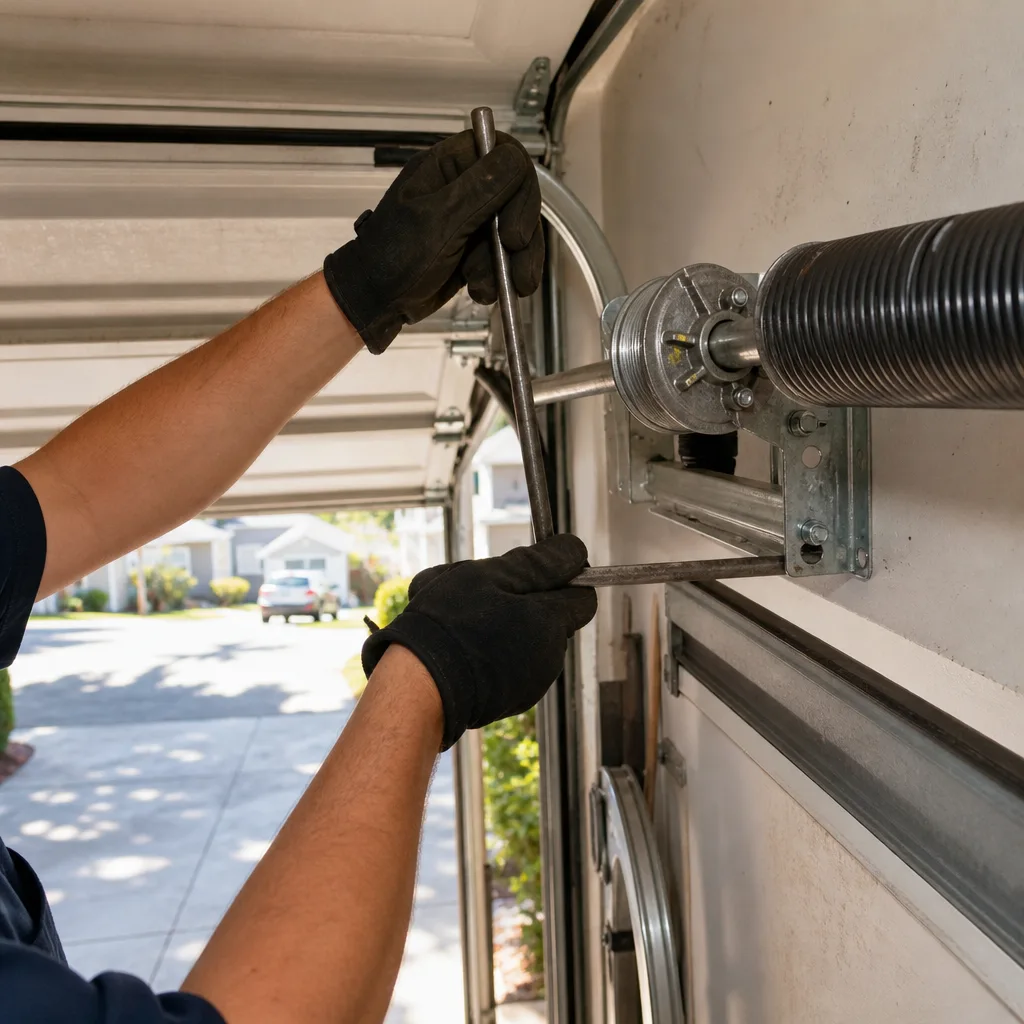
Last updated November 21, 2026
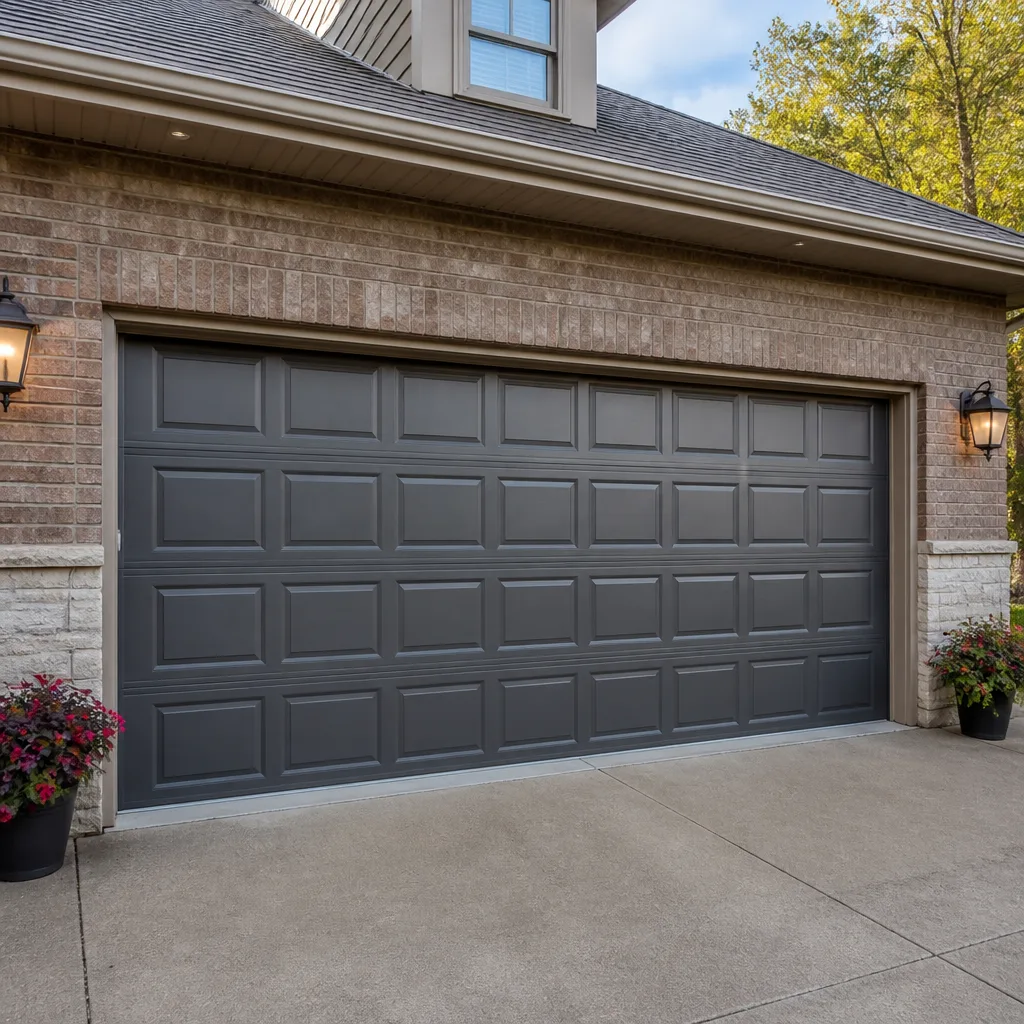 Raised-panel steel
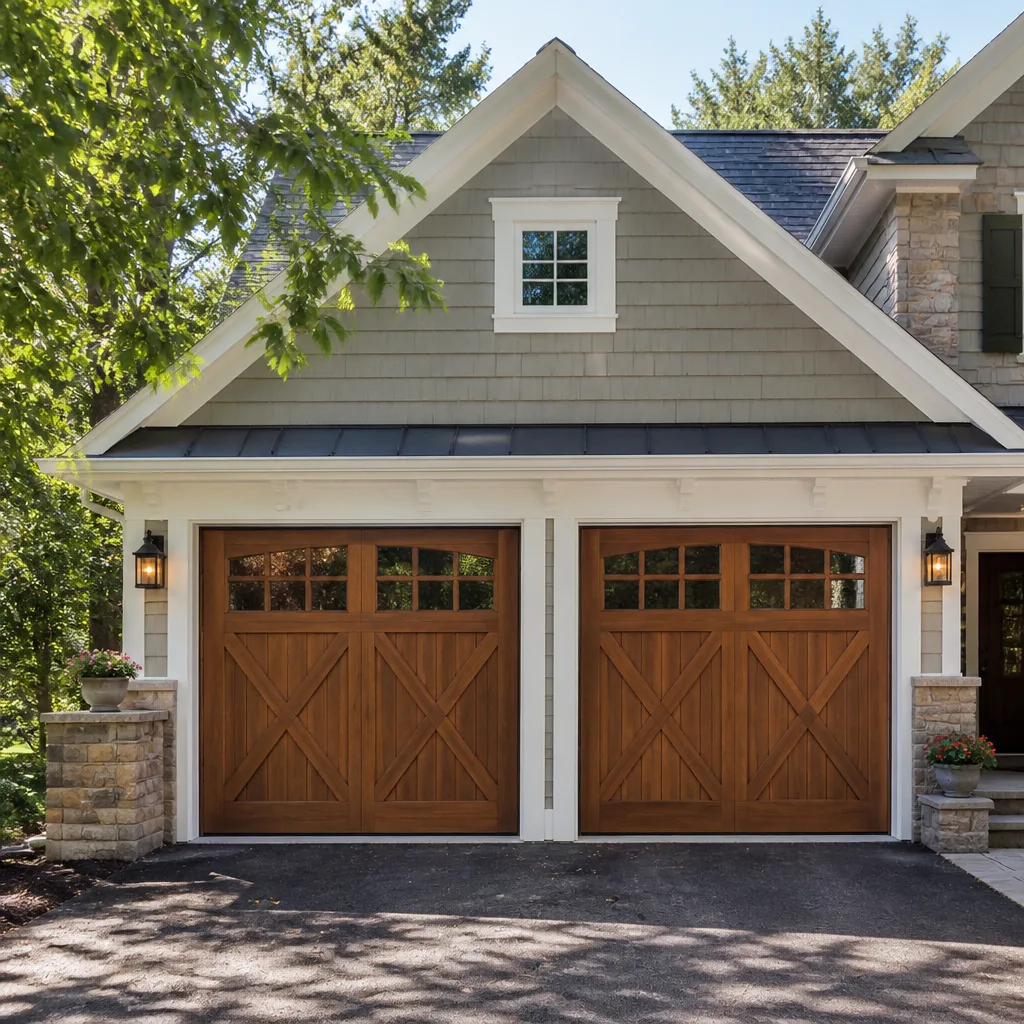 Carriage house
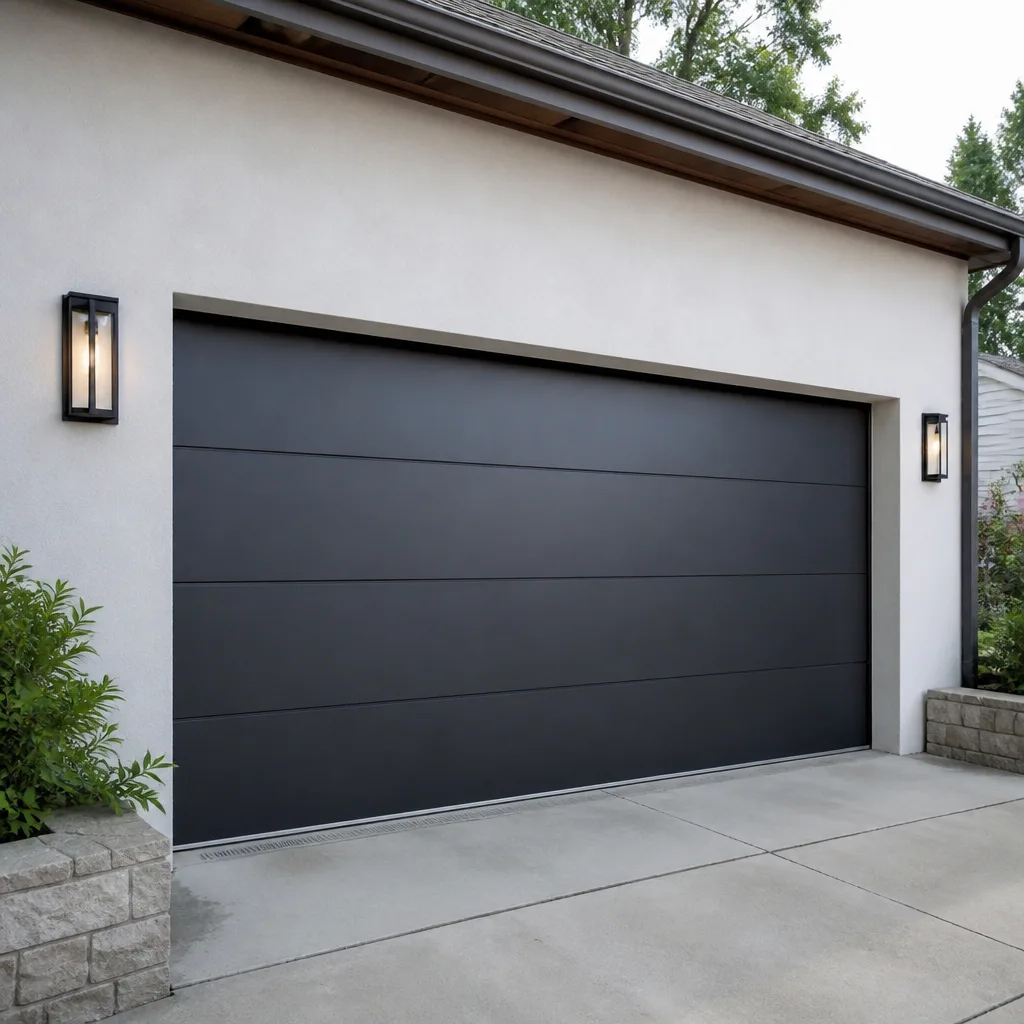 Modern flush
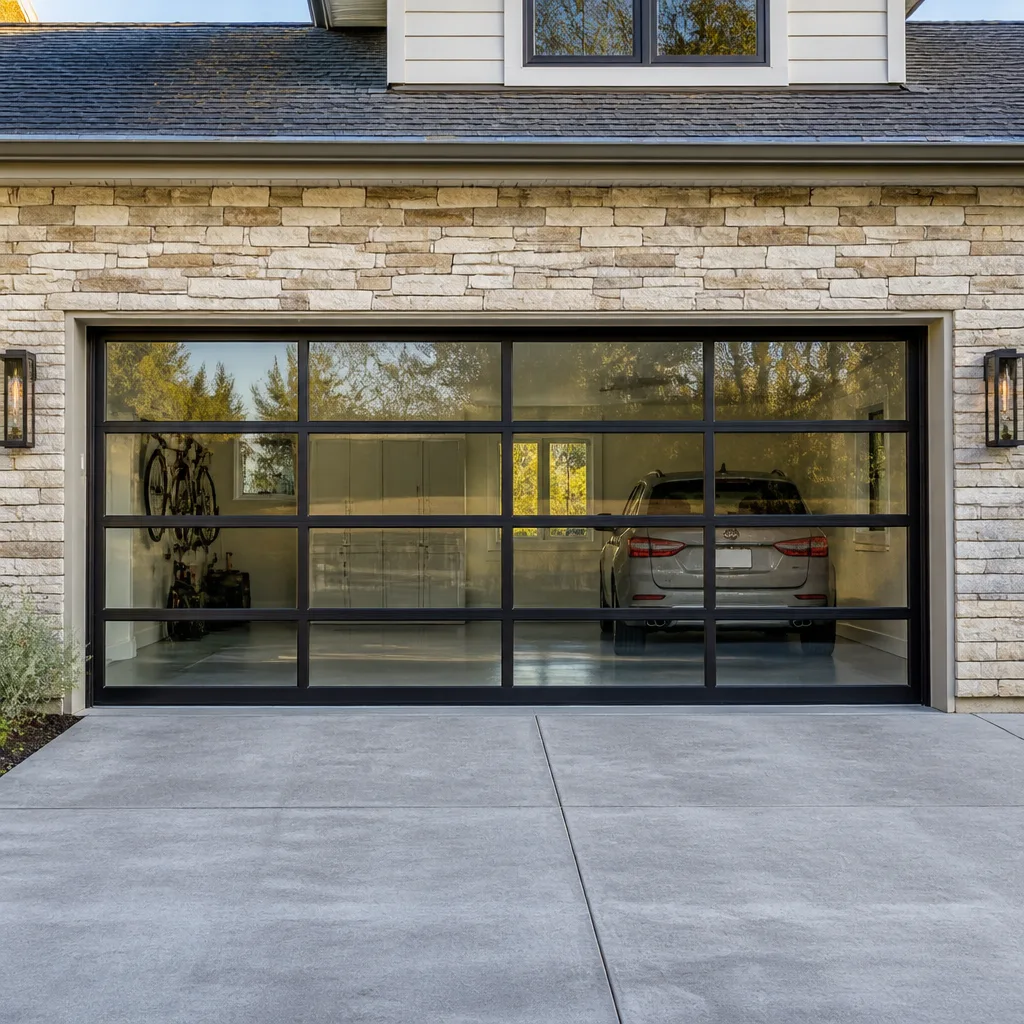 Full-view glass
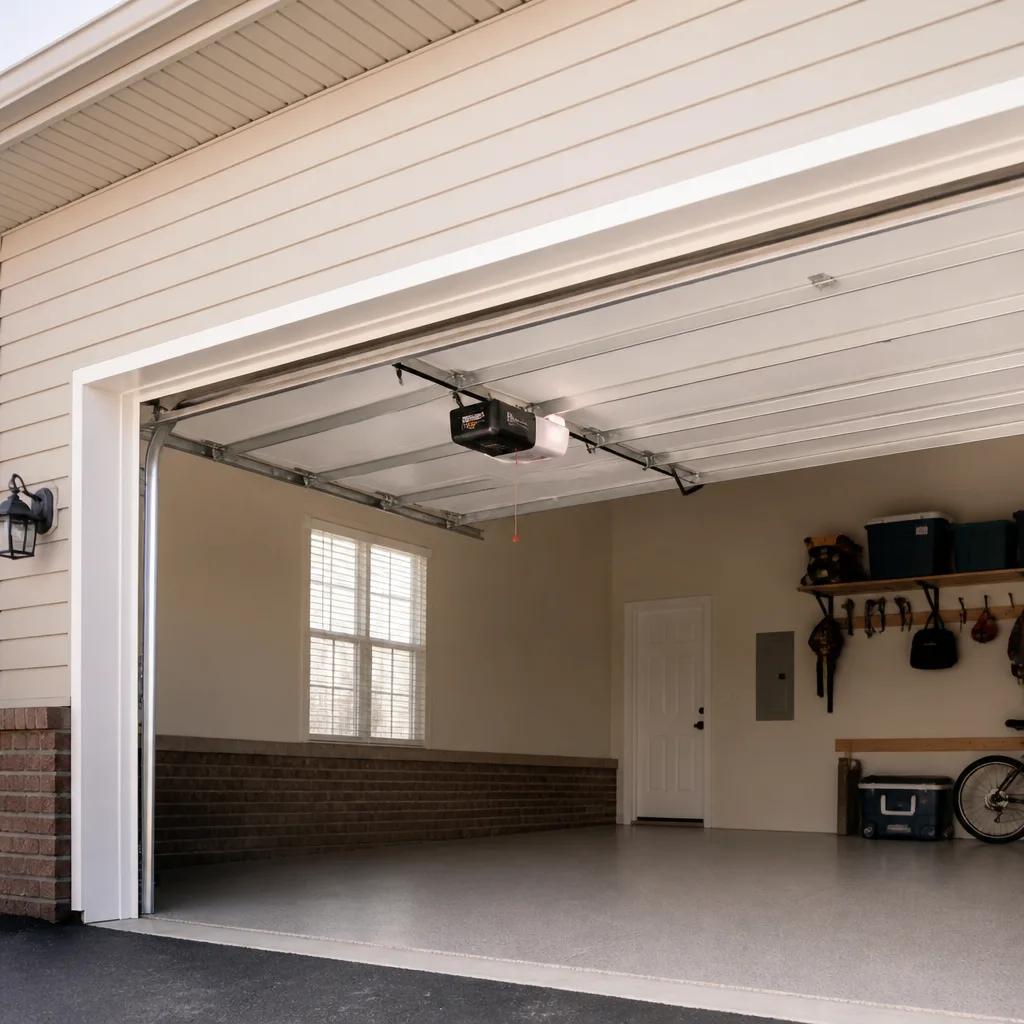 LiftMaster openers
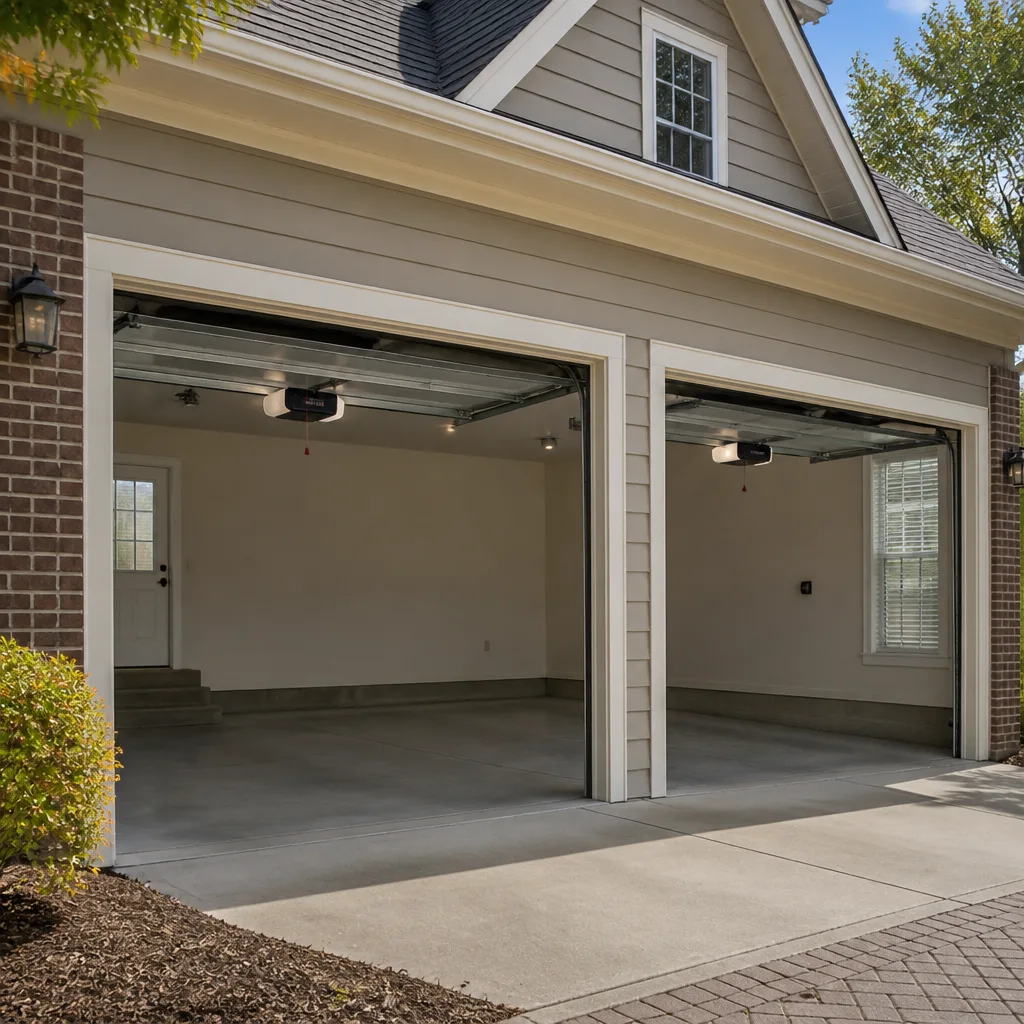 Chamberlain openers
Full 25-point door and opener safety check with every visit - springs, cables, rollers, tracks, and your LiftMaster or Chamberlain opener included
You get a price before we start. It does not change when the pro arrives.
Get your free estimateThe Complete Guide to Garage Doors in Green Lake
Most Green Lake homes were built before modern garage door standards existed. That means the average door in this neighborhood runs on hardware that was never designed for today’s opener technology or insulation expectations, and that single fact explains most of what goes wrong. A door that seems “old and tired” is often a well-built original door with one worn part. A door that looks fine can be quietly failing at the spring, the cable, or the track. This guide walks through how garage doors actually work in Green Lake, what the wet Pacific Northwest climate does to them, and how to tell a band-aid repair from a full replacement. You’ll finish knowing what to check, what to ask, and what to expect on price.
Quick Answer
Garage door work in Green Lake comes down to four things: repair, spring repair, opener repair, and replacement, with parts supply tying them together. The wet Seattle-area climate rusts springs and tracks faster than most national lifespan charts allow for, and the neighborhood’s older Craftsman and bungalow homes often need specific panel styles to keep their curb appeal. Spring repair typically runs $180 – $340 per spring, and a full new door installation usually lands between $1,200 and $3,800 depending on size, material, and insulation. The written estimate you receive before any work starts is the price you pay.
Styles & brands we work with
- Raised-panel steel
- Carriage house
- Modern flush
- Full-view glass
- LiftMaster openers
- Chamberlain openers
Table of Contents
- How a Garage Door Actually Works
- Alley Access and Narrow Lots in Green Lake
- Matching Doors to Older Green Lake Homes
- What the Damp Seattle Climate Does to Your Door
- Spring Repair: The Most Dangerous Part of the Trade
- Openers, Smart and Legacy
- What “Complete” Really Means
- Repair or Replace: How to Decide
- What Garage Door Work Costs in Green Lake
How a Garage Door Actually Works
A sectional garage door is five moving systems bolted into one opening, and no part of it works alone. The door panels ride on rollers inside vertical tracks, the tracks curve at the top to guide the door onto horizontal tracks, and a spring system counterbalances the door’s weight so a person or an opener can lift it. Openers pull the door, but they don’t lift it. If the spring system is wrong, the door will feel heavy, the opener will strain, and eventually something gives.
Here’s the order of operations in a well-functioning door:
- The spring system holds the door’s weight in balance, so a 150-pound door feels like 10 pounds at the handle.
- The opener (or your arm) lifts the door up the vertical tracks.
- The rollers carry the panels through the curved track and onto the horizontal run.
- The safety sensors at the base confirm nothing is in the door’s path.
- The door lowers and the bottom seal meets the floor, closing the weather barrier.
Any one of these five failing affects the other four. When a door won’t close, the cause is often the opener logic, not the door itself. When a door closes with a bang and jerks back up, the sensors or the travel limits are usually the culprit. In a Green Lake home where the garage sits tight against the neighboring lot, we’ve found that a door that seems “stuck” is often binding on the track from a shifted wall, not from the opener. That’s why any real diagnosis starts at the door, not the motor.
If your door won’t move at all, that’s usually a repair issue rather than a replacement one. We handle garage door repair on every brand we work with, so you’re not chasing down a generalist who’ll guess at the problem.
Alley Access and Narrow Lots in Green Lake
Many Green Lake garages are accessed from the alley behind the lot, which sounds like a minor detail until you try to size a door. Alley-access garages in this neighborhood tend to be smaller than front-loading ones, and the swing clearance around them is tight. The garage door itself is usually a single-car width, sometimes narrower than the standard nine-foot opening you’d find in newer suburban construction. That has real consequences for what you can install.
- Door size options are limited. A narrow alley lot might only fit a seven or eight-foot-wide door, which limits the panel style choices you have. That’s worth knowing before you pick a design.
- Opener placement is constrained. A standard ceiling-mount opener needs headroom above the door, and older Green Lake garages don’t always have it. A wall-mount opener or a jackshaft unit is often the right call.
- Springs sit closer to the header. Low-clearance torsion springs are common in these garages, and they’re trickier to work on than standard-height springs.
- Backing into the alley is normal. That means your safety sensors and door alignment matter even more, since you’re using the door from a tight angle every day.
The result: whatever opener or door we quote for an alley-access Green Lake garage often isn’t the same quote we’d give for a suburban home. That’s not upselling, it’s the physics of a smaller space. When we measure a door on a narrow lot, we’re checking track height, ceiling depth, and side clearance to confirm the opener and spring system will actually fit.
Matching Doors to Older Green Lake Homes
Green Lake’s housing stock is dominated by Craftsman and bungalow-era homes, and the garage door is usually the largest visual element on the facade. A modern flush-panel door on a 1920s bungalow looks wrong in a way that’s hard to explain and easy to photograph for an appraiser. The neighborhood’s architectural character is a real constraint on what door you should install, not just a style preference.
What works for older Green Lake homes:
- Raised-panel carriage-house styles that echo the original wood door lines without the wood maintenance.
- Stamped steel panels with a deep panel profile that reads as wood from the street.
- Short-panel designs on single-car doors, which match the proportions of a bungalow frontage better than long panels.
- Warm neutrals and woodgrain finishes that fit the muted palette of the older housing stock instead of a bright white or stark black.
If your door is brand-name and older (a Raynor or a Craftsman unit from the original garage build is common), we can often match the panel style and keep the existing hardware. If the door is at the end of its life, replacement is usually the more sensible call. Whether you need a full new door or a panel swap, we handle garage door installation with the door measured to your exact opening before anything is ordered. Nothing is cut to fit on the day.
What the Damp Seattle Climate Does to Your Door
Green Lake’s wet climate is the single biggest factor that makes door lifespans here different from the national average. National lifespan charts were written for a typical climate, and Seattle-area moisture doesn’t fit that profile. Humidity, rain on the door every winter, and condensation in the garage all accelerate wear on the two parts most sensitive to moisture: the springs and the tracks.
What actually rusts and why:
- Torsion springs. A torsion spring is a steel wire under enormous tension. Small rust pits on the wire become stress risers, and that’s where the spring breaks. Wet springs break earlier than dry ones.
- The bottom of the tracks. Ground moisture wicks into the bottom of the vertical track, which is the part closest to the floor. Once the track rusts, the rollers bind and the door gets jerky.
- The bottom panel. The bottom panel takes the most splash from rain running off the door. If the seal is worn, water runs under the panel and starts the paint and steel failure from the inside out.
- Rollers and hinges. Steel rollers and hinges are the shortest-lived wear parts, and they rust fastest in a damp garage.
In our experience, a door in Green Lake with no rust protection is often ready for spring replacement earlier than a door in a drier climate, regardless of what the sticker or the manufacturer’s chart says. Checking for rust on the spring coils and the bottom of the tracks once a year is the cheapest maintenance you can do.
Spring Repair: The Most Dangerous Part of the Trade
Garage door spring repair is the service we handle most often in Green Lake, and it’s also the one where we most often see homeowner attempts gone wrong. A torsion spring holds hundreds of pounds of stored energy. It is genuinely dangerous to work on, and the tools involved (a proper winding bar, the right knowledge of how the spring is tensioned) are not things you build up to learning by watching a video.
Safety first: if a spring has broken, don’t try to open the door, don’t cut the cables, and don’t try to wind the spring with vise grips. Call a trained professional. The door is now unbalanced and can drop, and the broken spring will not behave the way a whole one does. A technician who has done the work many times knows exactly how to take the tension off safely.
What spring repair usually involves:
- The door is put in the down and locked position so nothing moves.
- The tension is released with proper winding bars, never by hand.
- The broken spring is measured, and a matched-replacement spring is specified by wire size, inside diameter, and length.
- The new spring is wound to the correct number of turns for the door’s weight.
- The door is rebalanced and cycled several times to confirm it sits level and the opener isn’t fighting the door.
A single torsion spring replacement in Green Lake typically runs $180 – $340. If the door has two springs, they’re usually replaced as a matched pair so they age at the same rate, which is roughly double the single-spring price. We quote the exact figure before any work starts, and we tell you whether a pair, a single spring, or a full set is the right call for your door.
Openers, Smart and Legacy
Opener repair in Green Lake covers a wide spread of hardware. A garage in this neighborhood might have a brand-new smart opener connected to a phone app, or it might have a builder-grade unit that’s older than the owner. Both are fixable, and both have different failure modes. If your opener hums but the door doesn’t move, the logic board or the capacitor is usually the issue. If it only works from a few feet away, the remotes or the antenna are the problem. If it opens and then immediately closes, the safety sensors or the travel limits need attention.
We repair openers across LiftMaster, Chamberlain, Genie, and Craftsman, which covers nearly everything you’ll find in a Green Lake garage. The difference between a vague “opener problem” and a fixable one is usually just proper diagnosis:
- LiftMaster and Chamberlain: modern smart-home openers, often with battery backup and app control. When these fail, it’s frequently software pairing or a failing capacitor, not the motor.
- Genie: reliable and common in older homes. Screw-drive and belt-drive failures tend to be mechanical rather than electronic.
- Craftsman: builder-grade and almost certainly the original unit from the house’s garage build. Parts compatibility is the thing to check, and we keep that in mind.
If the opener is the problem, we’ll repair it. If it’s beyond economical repair, we’ll say so and quote a replacement. For a deeper dive, see our garage door opener repair page.
What “Complete” Really Means
Most garage door problems start small and spread. A rusted spring stresses the opener. A binding track strains the rollers. A misaligned sensor forces the owner to hold the wall button until the door closes. A “repair” that fixes one symptom without checking the rest is a band-aid, and in Green Lake’s damp climate, the band-aid usually fails within a season.
A complete door check covers the whole system, in this order:
- Panels: damage, cracks, delamination, and whether the panel still fits the frame without gaps.
- Springs: rust, wire size, and whether the spring is the correct weight-rated unit for the door.
- Tracks: level, plumb, and free of rust or bent sections that would bind the rollers.
- Rollers and hinges: wear and rust, especially on the bottom rollers that sit closest to the floor.
- Cables: fraying, rust, and whether the tension is even on both sides.
- Opener: force settings, travel limits, and whether the opener matches the door’s weight.
- Safety sensors: correct alignment and actual trip behavior with an obstruction in the path.
We walk through all seven checks on every door we work on, because replacing one part and leaving six in bad shape is how you end up calling a repair service twice. If a part is at the end of its life, we tell you. If it has useful life left, we leave it alone. Our technicians have up to 13 years of experience, and most of what they know is what a door looks like when one cheap part takes out three good ones.
Repair or Replace: How to Decide
The honest answer is that most garage door calls in Green Lake are repair calls. A single broken spring, a dead opener, a bent track, a failed sensor: those are fixes, and fixing them is usually cheaper than replacing the door. Replacement makes sense when the door is at the end of its functional life, when structural damage has spread, or when the repair cost approaches a meaningful fraction of a new door.
Nationally sourced guidance on repair-versus-replace often skips the local context, so here’s how we think about it in Green Lake, where doors tend to age faster because of moisture:
- Repair if the door is structurally sound and the problem is a wear part: springs, rollers, cables, a single panel, an opener, or sensors.
- Replace if the bottom panel is rusted through, if the door has multiple cracks across panels, or if the tracks are so rusted that they’re binding and rebending them won’t hold.
- Replace if the door is a builder-grade original and the garage has since been updated around it, because newer openers and insulation standards don’t match the old door’s weight or clearance.
- Ask the real question: could the same money you’d spend on a big repair get you a door that clearly fits the house and won’t need another big repair for years? If yes, replacement is usually the right call.
We’ll tell you which one actually makes sense for your door, and we’ll quote both if you want to see them side by side. The decision is yours; the numbers are ours to put in writing.
What Garage Door Work Costs in Green Lake
Garage door pricing in Green Lake depends on the part, the door size, and how accessible the garage is. The table below shows typical cost ranges for the work we do here. These are estimates only, and the written quote you receive before any work begins is the final price.
| Service | Typical Range | Notes |
|---|---|---|
| Single torsion spring replacement | $180 – $340 | Per spring. Matched pairs are usually replaced together, at roughly double. |
| Extension spring replacement | $150 – $300 | Per spring, commonly a pair on older doors. |
| Opener repair (diagnostic + fix) | $150 – $350 | Depends on the part; motor or logic board failures cost more. |
| New opener installation | $350 – $800 | Opener cost and installation size-dependent. |
| Roller and hinge replacement | $120 – $280 | Usually a set; a full set on a two-car door costs more. |
| Track realignment or repair | $150 – $400 | Corroded track replacement can push this higher. |
| Full new door installation | $1,200 – $3,800 | Size, material, insulation, and hardware all factor in. |
Two things drive the quote up or down in Green Lake more than anything. First, alley-access garages with low headroom require specialized springs and hardware, and that affects cost. Second, an older Craftsman or bungalow home often needs a custom-width door, and that’s a different number than a standard nine-foot opening. We do a free measure before quoting either way, and nothing gets ordered until you’ve signed off on the exact price.
Common Mistakes to Avoid
- Trying to wind a broken spring yourself. This is the single most dangerous mistake we see. A torsion spring under tension can hurt you badly, and no amount of online guidance substitutes for training.
- Replacing one spring when both are the same age. In a Green Lake door with two springs, the surviving spring is usually almost as old as the one that broke. Replacing them together costs a little more upfront and saves you a second call.
- Ignoring rust on the bottom of the tracks. Damp Seattle air works from the floor up. If the bottom foot of the vertical track is rusted, the door is already binding and the rollers are wearing faster than they should.
- Putting a big new opener on an old, unbalanced door. The opener will strain from day one and fail early. The door has to be balanced first.
- Buying a door sized only by standard measurements. Alley-access Green Lake garages often need a custom width. Ordering a standard door and forcing it is a waste of money.
- Skipping the sensor test. The most common cause of a door that opens then closes on its own is a misaligned sensor. Test it by putting a box in the door’s path and watching what the opener does.
- Choosing a door purely on style. Curb appeal matters, but the door also has to fit the opening, the headroom, and the opener. Style is the first question, not the only one.
See the difference
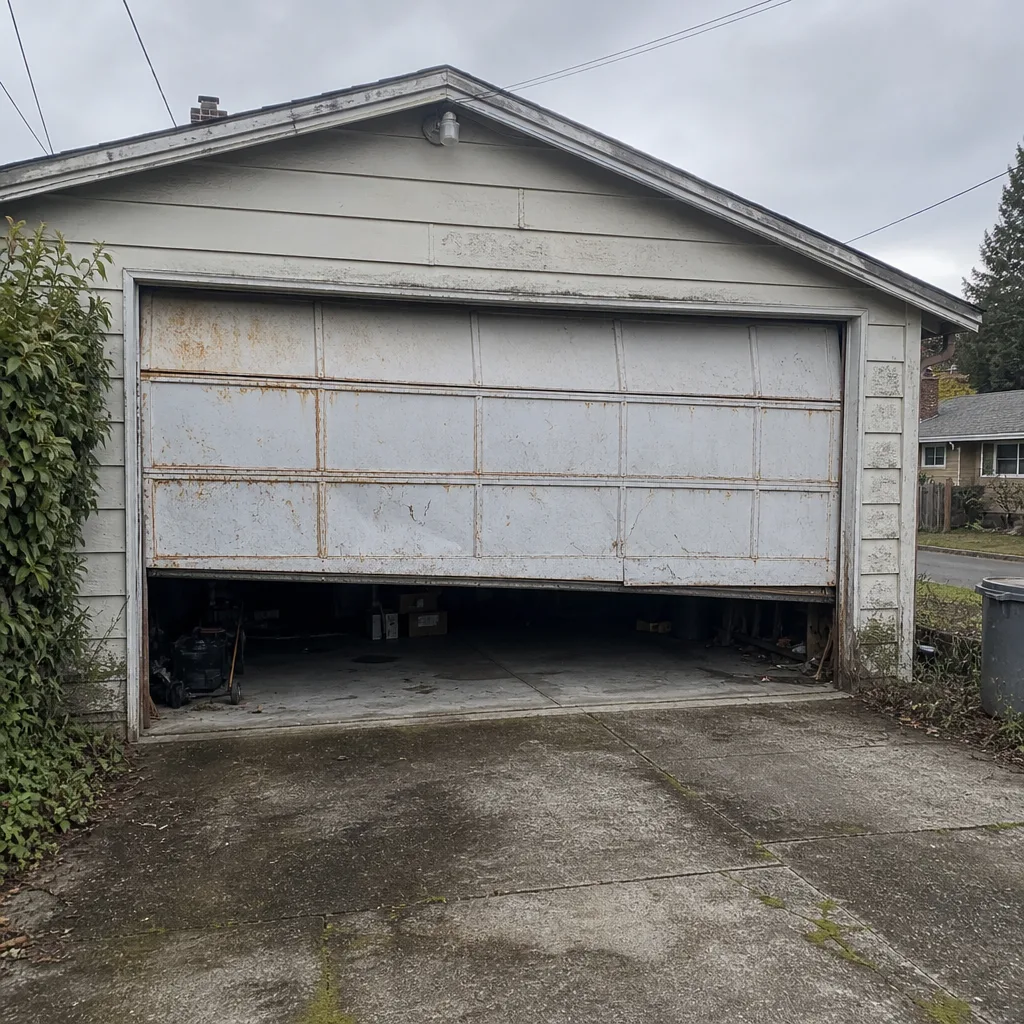 Before
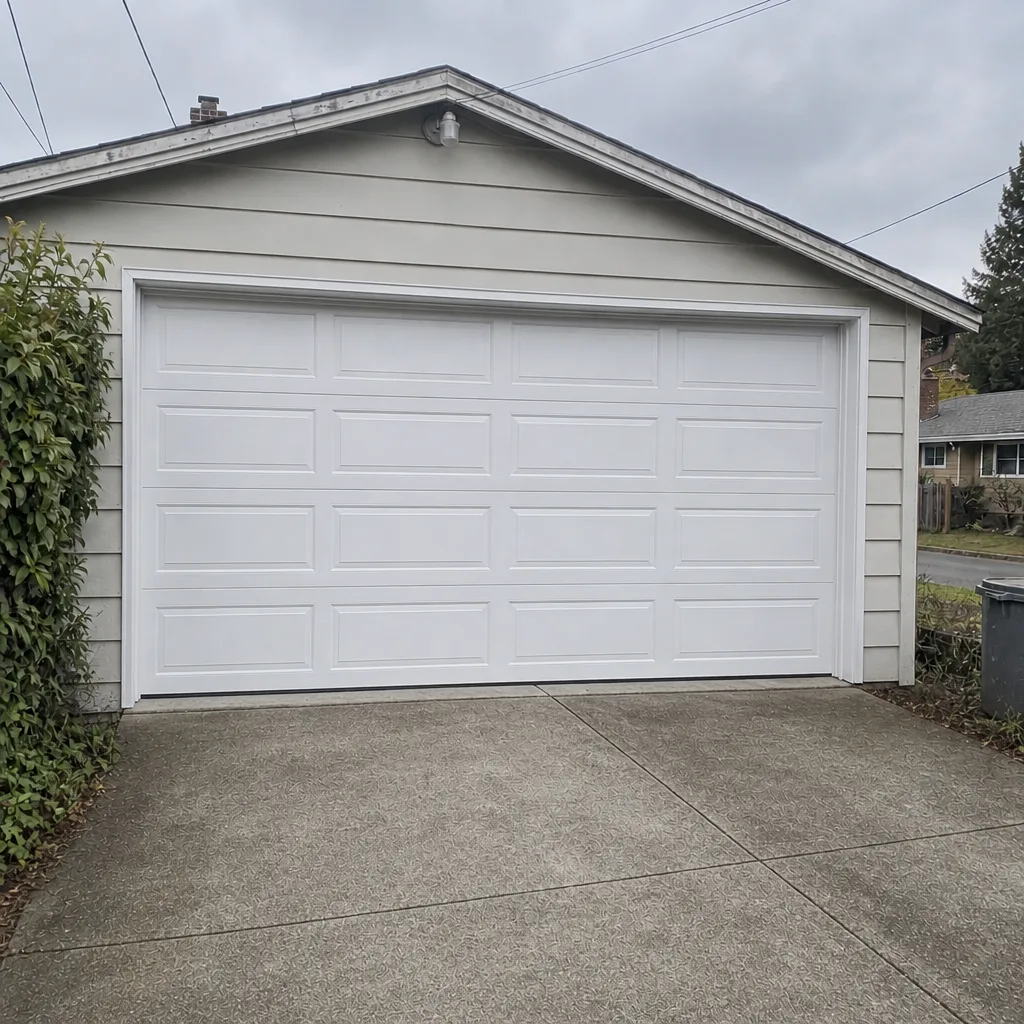 After
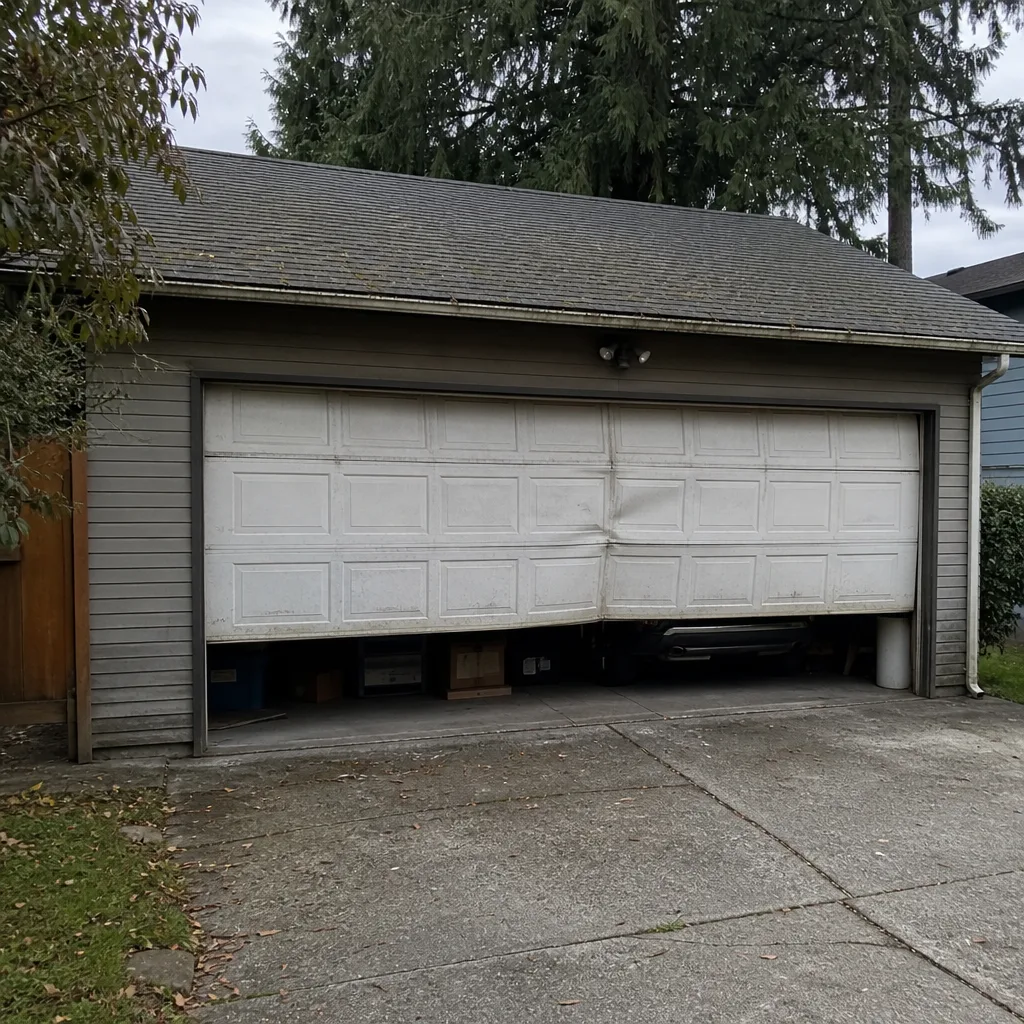 Before
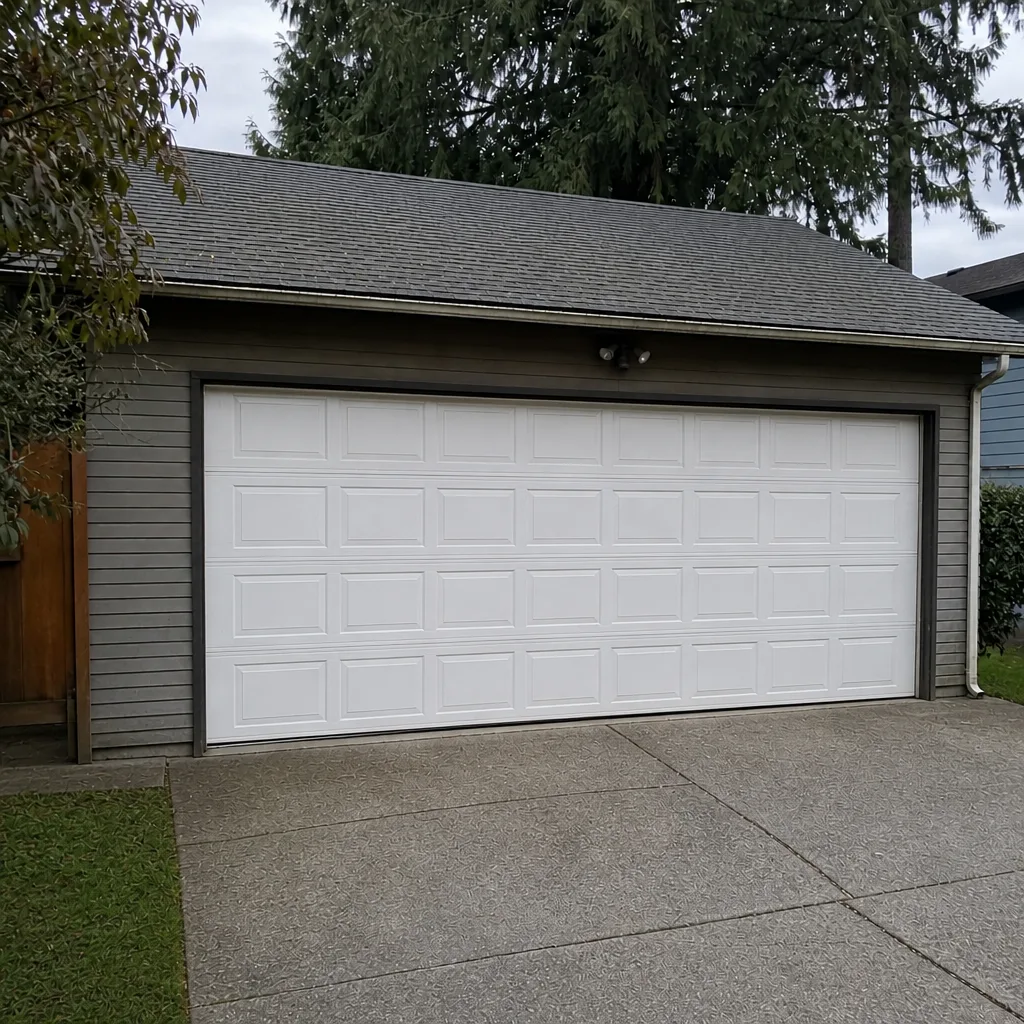 After
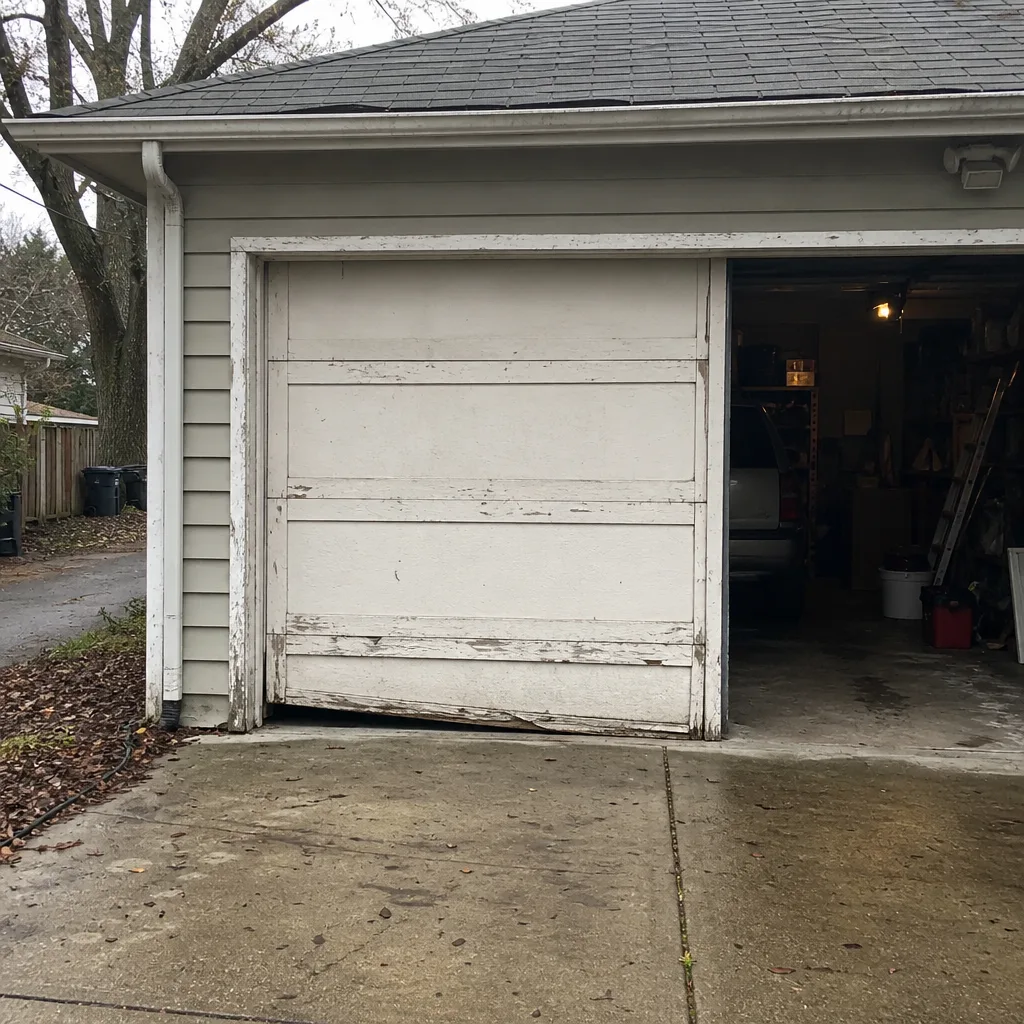 Before
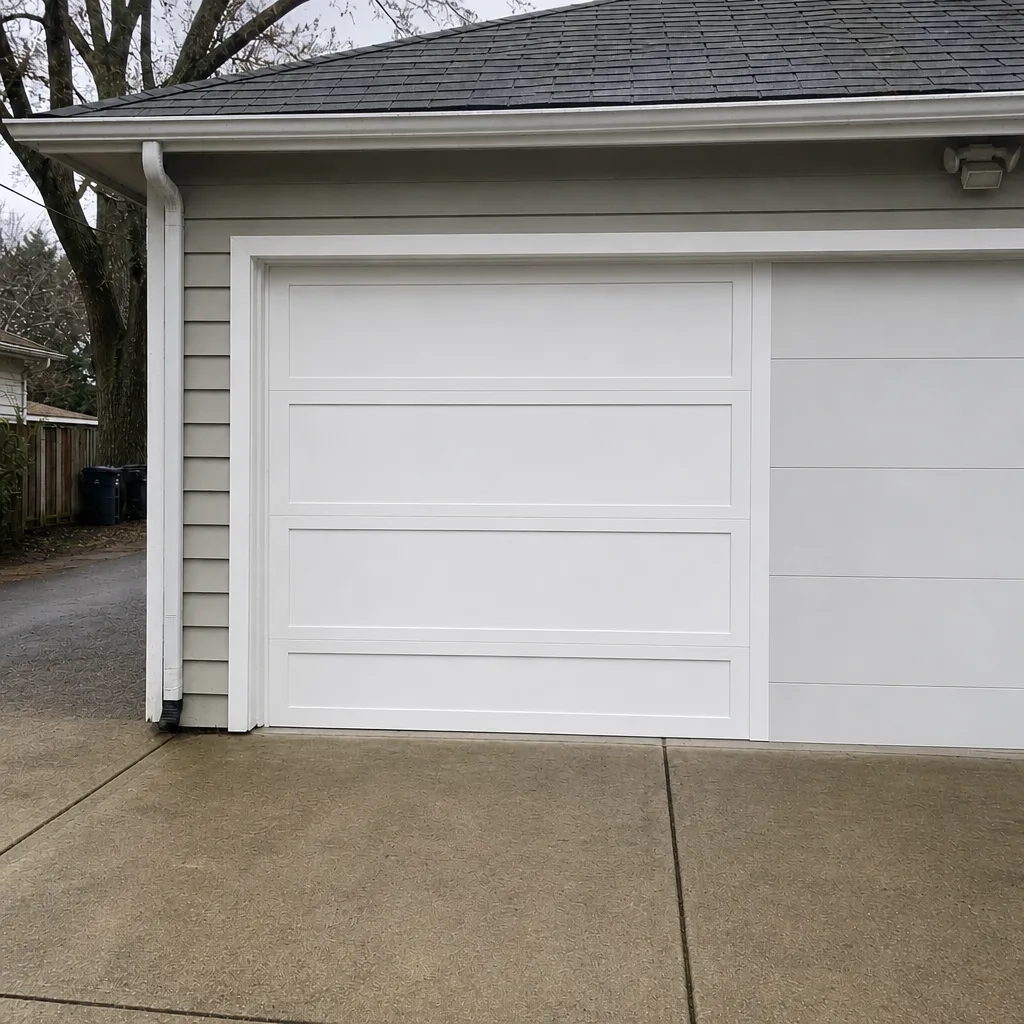 After
When to Call a Professional
Call us for a spring you can see is broken, a door that won’t open or close at all, a door that reverses on its own, a track that’s come loose from the wall, or an opener that hums and does nothing. Those are all cases where diagnosis by eye ends badly, and where the fix is genuinely a professional job. Green Lake’s older homes and tight alley lots also mean a licensed garage door specialist is often the only person who can size a replacement correctly. For less urgent issues like noise, slow travel, or a door that doesn’t quite sit level, a scheduled call makes sense.
Garage Door Repair Green Lake offers free estimates in Green Lake. Call (866) 429-4392 to schedule a visit. Our technicians have up to 13 years of experience, and the price is quoted and agreed before any work starts, so you know what the repair costs before we begin.
Frequently Asked Questions
Spring repair in Green Lake typically costs $180 – $340 for a single torsion spring, or roughly double if the door has two springs replaced as a matched pair. Extension springs usually fall in the $150 – $300 range per spring. The written quote we give before work starts is the final price. Call (866) 429-4392 for an exact quote, and estimates are free.
For urgent repair calls like a broken spring or a door stuck open, we schedule as quickly as possible and often same day depending on our schedule. Call (866) 429-4392 and we’ll confirm the earliest available time. Installations are measured first and ordered later, so those are always scheduled rather than same-day.
No, the price we quote before work begins is the price you pay. We measure the door and diagnose the actual problem first, then write the estimate. If a different repair turns out to make more sense once we’re looking at the door, we’ll tell you and re-quote before touching anything. You’ll never get an invoice higher than the quote you approved.
The local technician we connect you with is licensed and insured as their state requires. Garage doors involve real mechanical risk, particularly the springs, so we only work with trained professionals who know the trade. In Green Lake, that means someone who can handle torsion springs and legacy openers without guesswork.
Repair is usually the right call when the problem is a wear part: springs, rollers, an opener, or one panel. Replace when the door has rust through the bottom panel, multiple cracked panels, or tracks that can’t be saved. The bottom line: if the cost of the repair is close to a meaningful fraction of a new door, replacement usually makes sense. We quote both so you can see the numbers side by side.
We work on LiftMaster, Chamberlain, Genie, Clopay, Amarr, Wayne Dalton, Craftsman, and Raynor. That covers nearly every door and opener you’ll find in a Green Lake home, including the builder-grade hardware in older bungalows and the smart-home openers in updated garages. If your door is one of these brands, we’ve seen the failure modes before.
The Bottom Line
Green Lake garage doors live in a specific environment: dense lots, older homes, alley access, and a wet climate that rusts hardware faster than standard lifespan charts account for. That means the same door can look fine and still be one broken spring away from a bad morning. Fix the springs when they fail, check the tracks and rollers yearly, and choose a door that suits the house rather than the current trend. Repairs are almost always the answer until a door’s structure is genuinely gone. And when it isn’t, we’ll tell you so. Call (866) 429-4392 for a free estimate on any repair, opener, or new door, or start with Garage Door Repair Green Lake to see the services we cover.
Written by the team at Garage Door Repair Green Lake.